• April 18, 2026
  • 30 Degree
  • New Yourk
#Fashion News #All #Japan #China News #Uniqlo #Banzai Japan #News #Z Templates

Uniqlo shares at five-year record

Uniqlo shares at five-year record
89 / 100 SEO Score

Uniqlo shares at five-year record

*1

Uniqlo shares at five-year record

Strong Sales Performance Drives Share Price Surge

Shares in Fast Retailing, the owner of the Uniqlo clothing chain, reached a five-year high. The increase followed reports of strong sales figures for May and expectations of significantly higher annual profits. The company is projected to achieve 83 billion yen in profit for the year ending in August.

This profit forecast represents a 28 percent rise compared to the previous year. Sales for the month of May grew by 7.9 percent, with Uniqlo contributing substantially to the overall performance.

Mid-Market Positioning in Challenging Economic Conditions

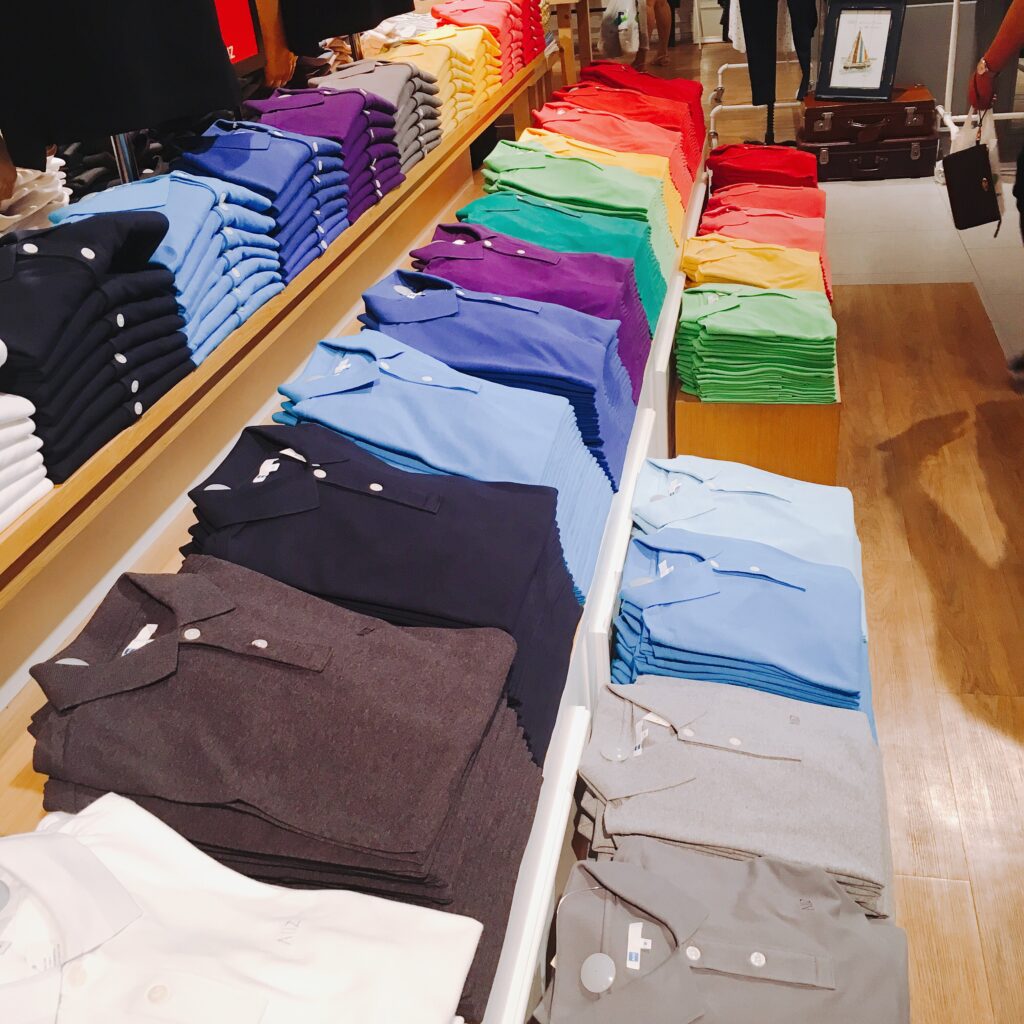
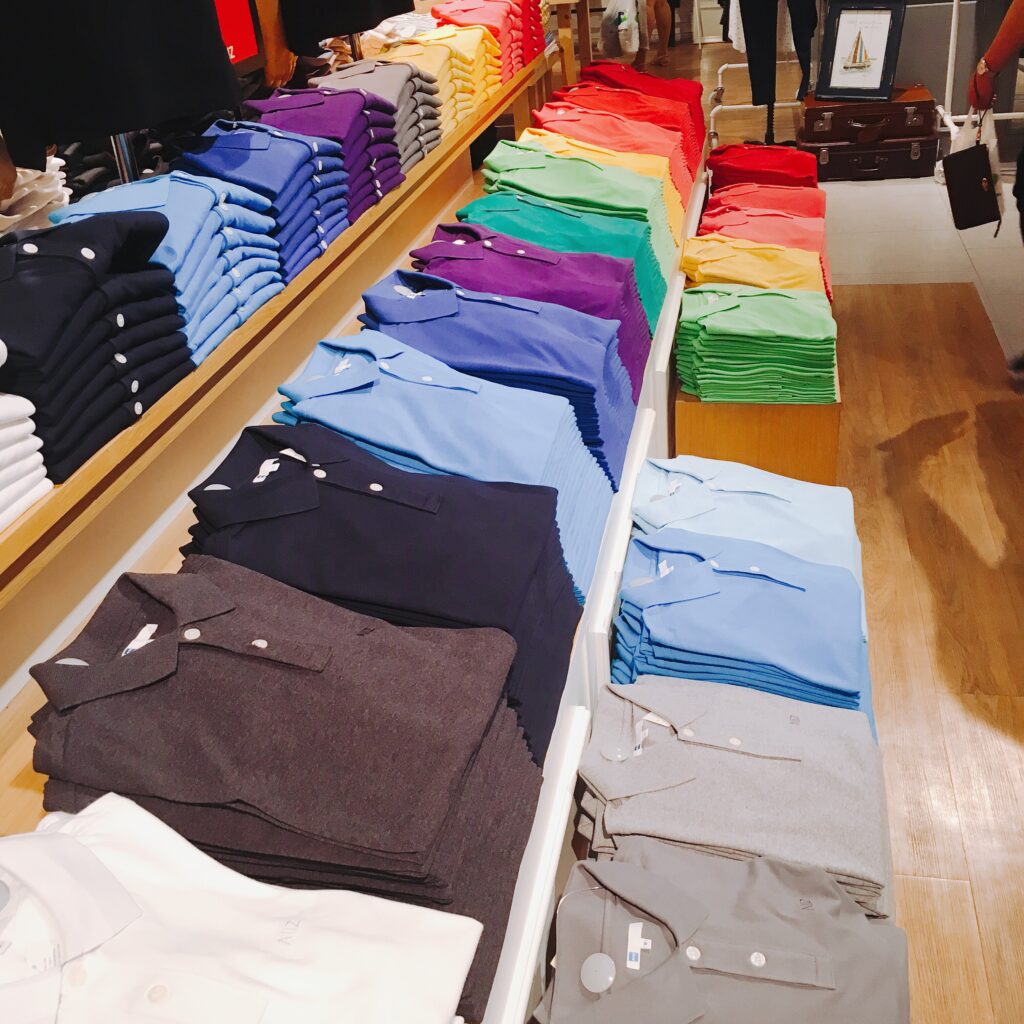
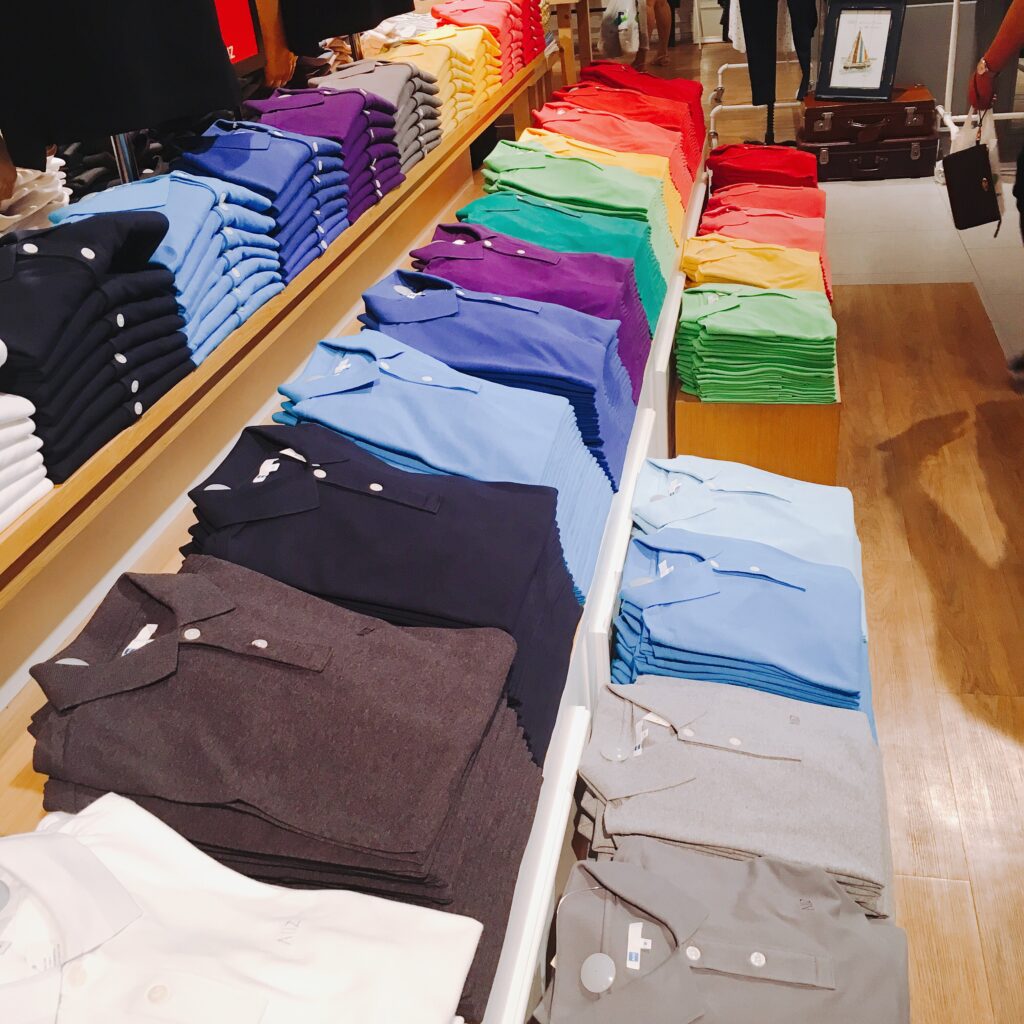
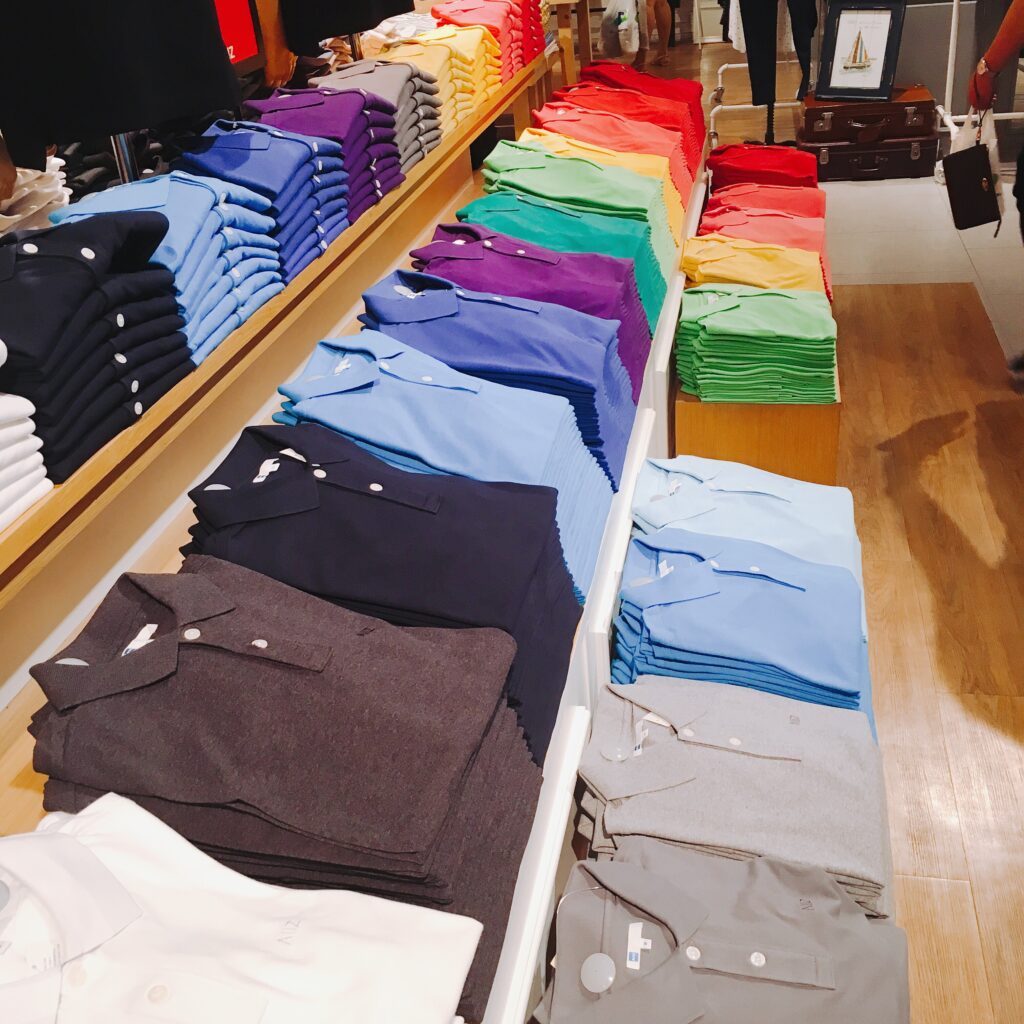
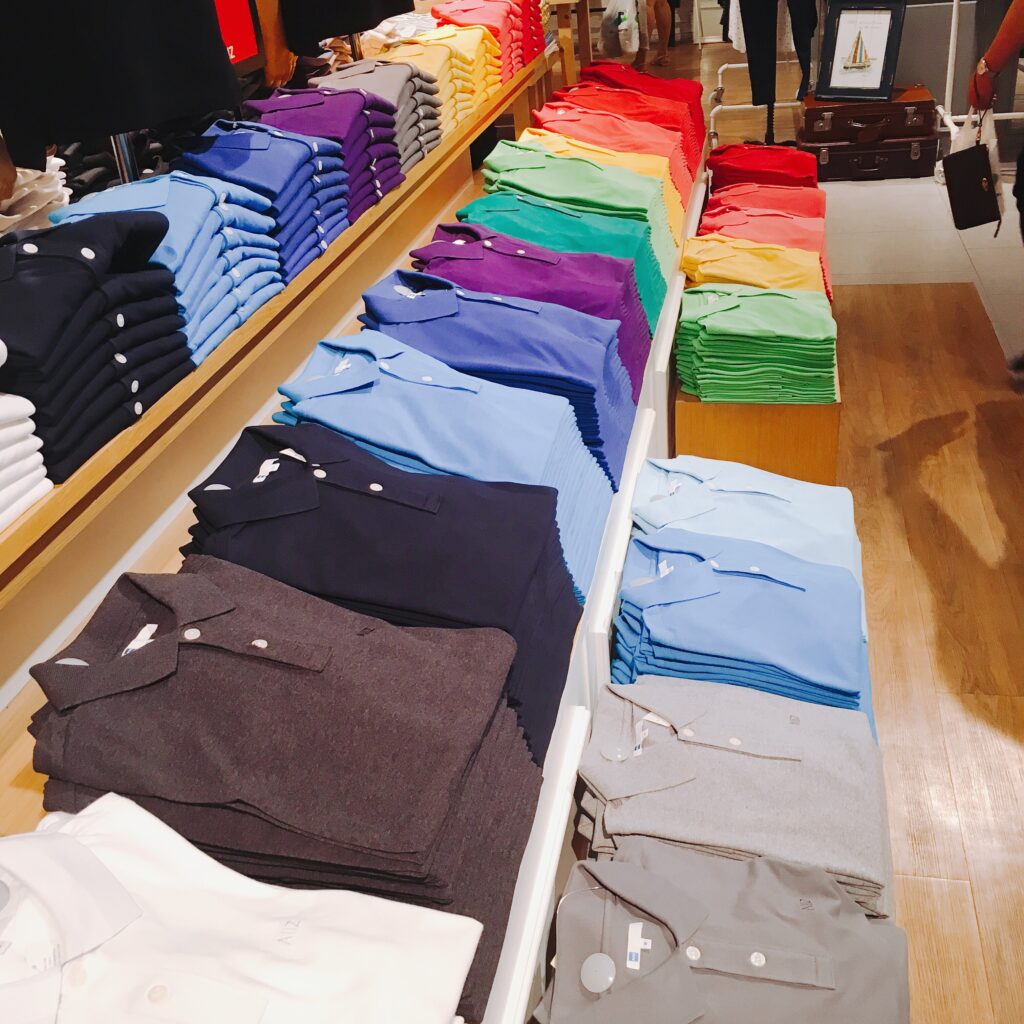
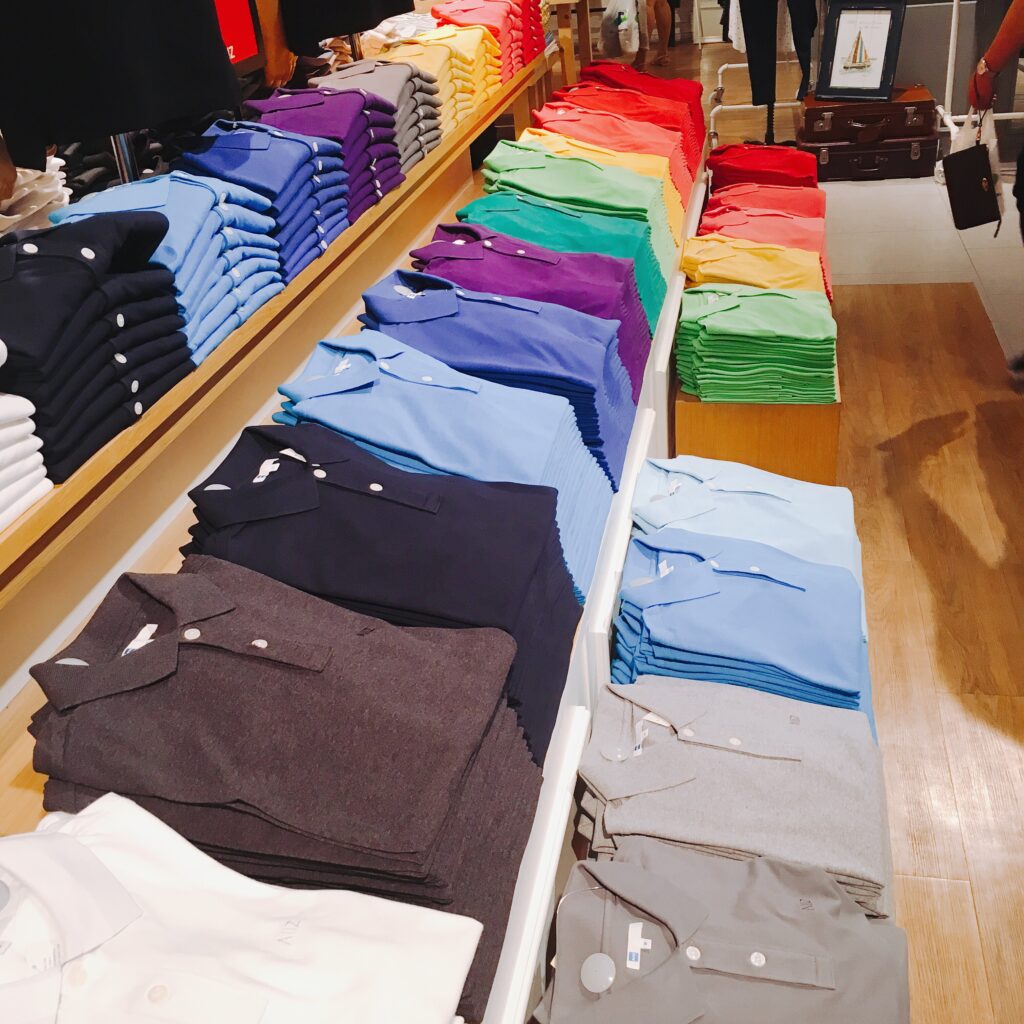
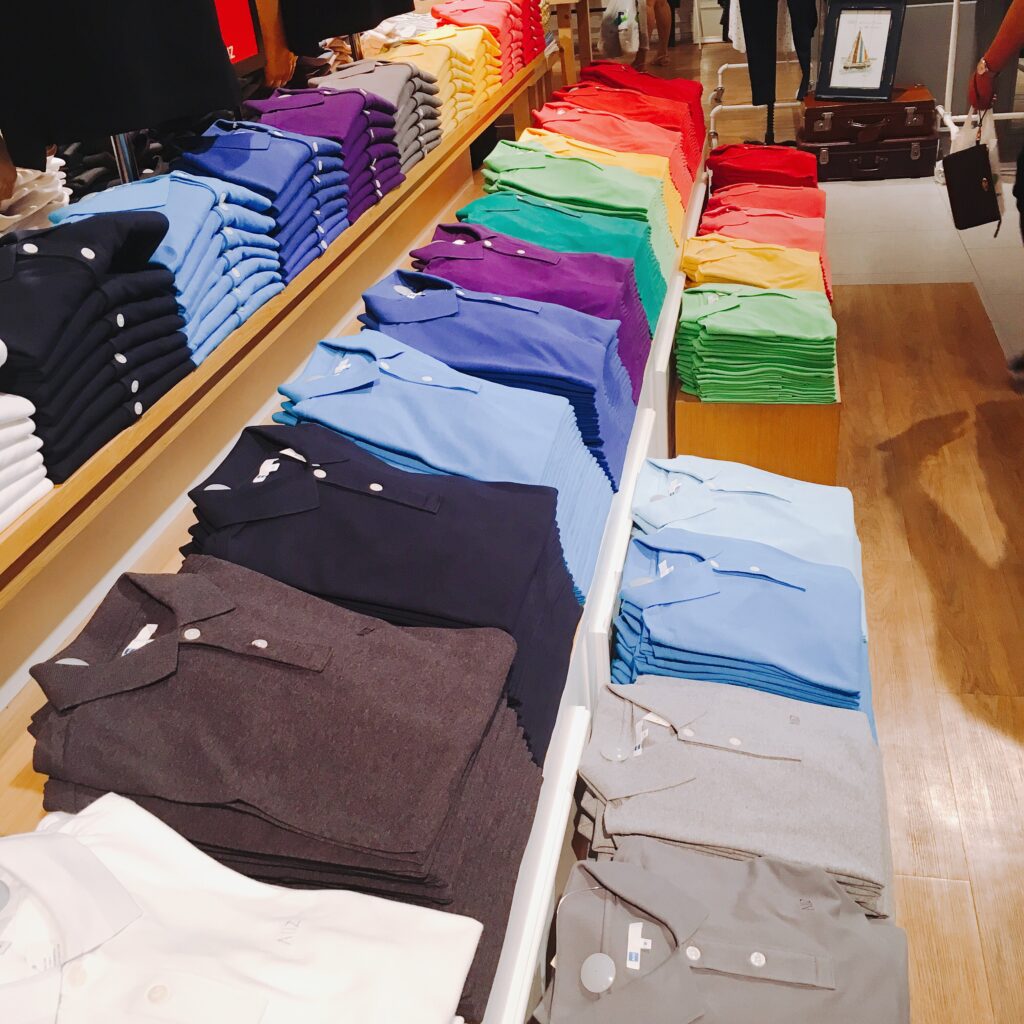
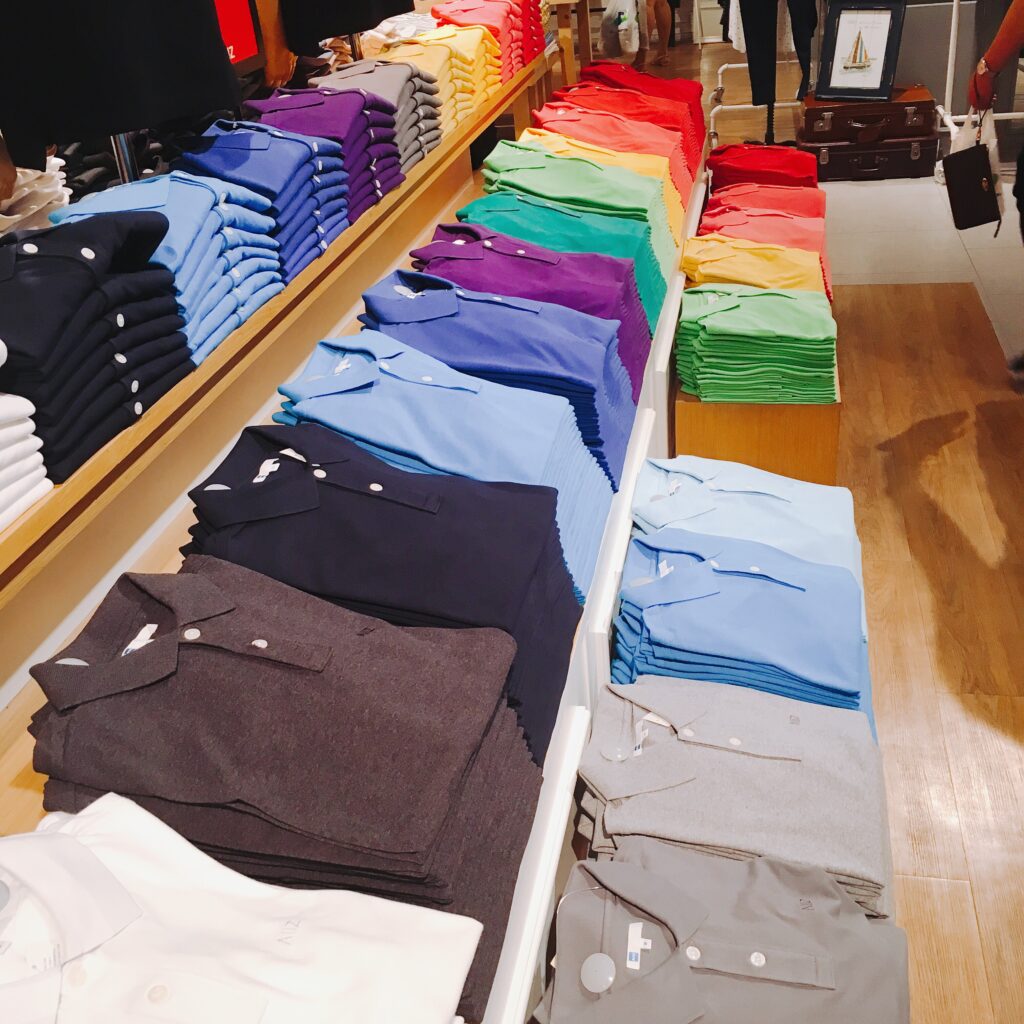
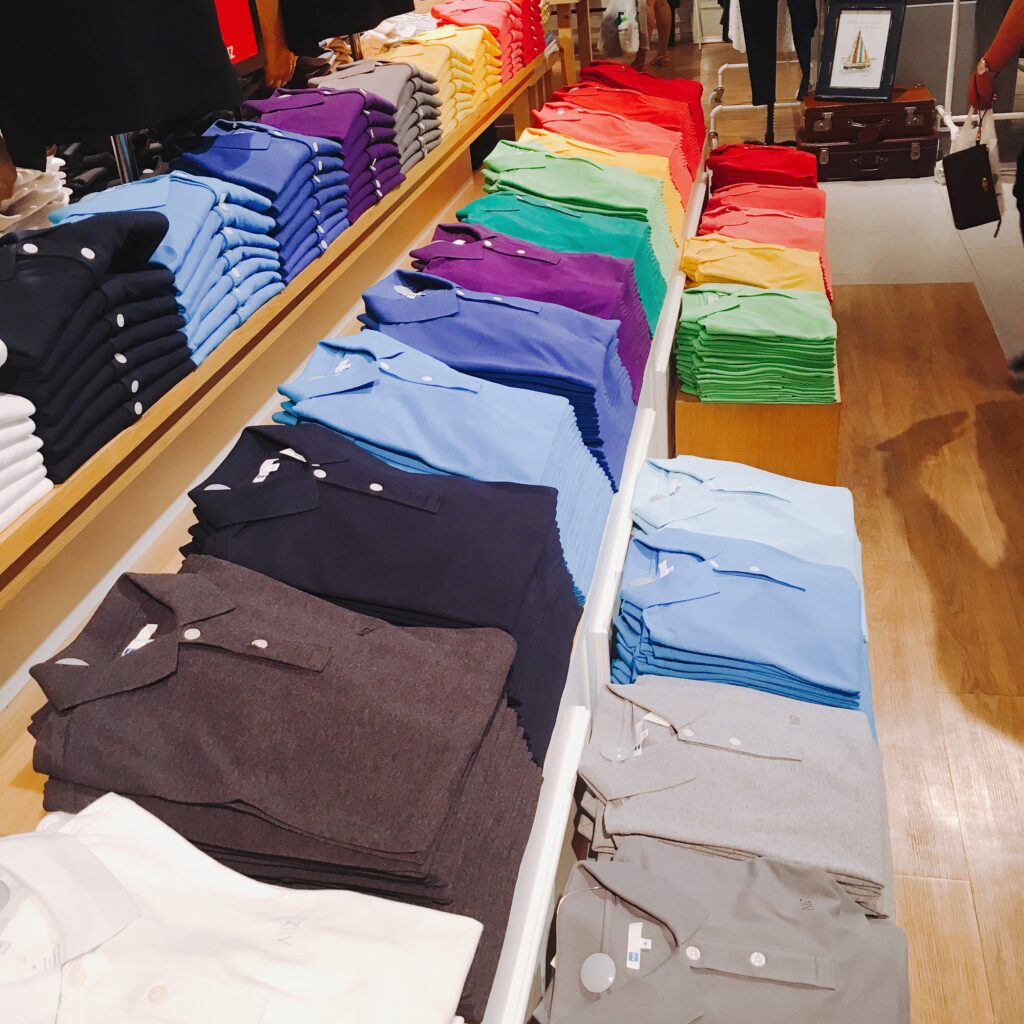
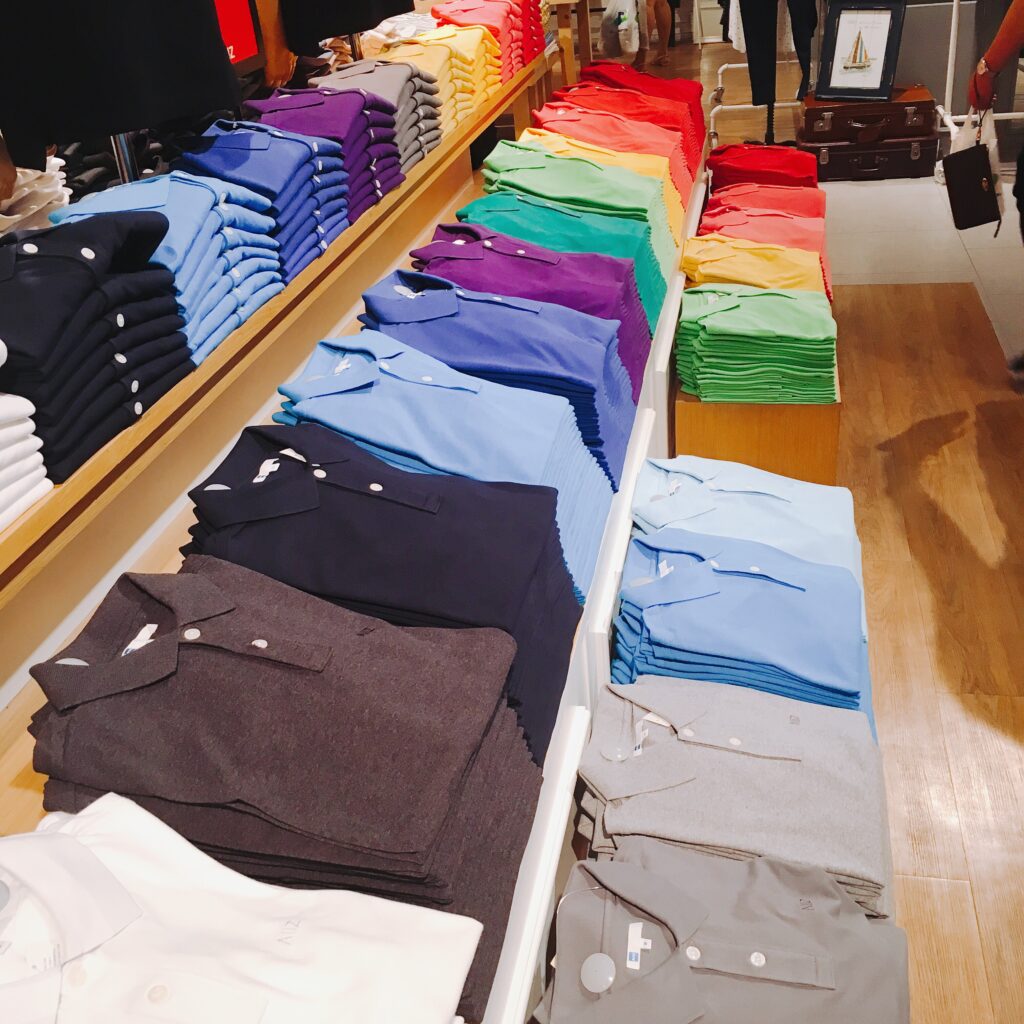
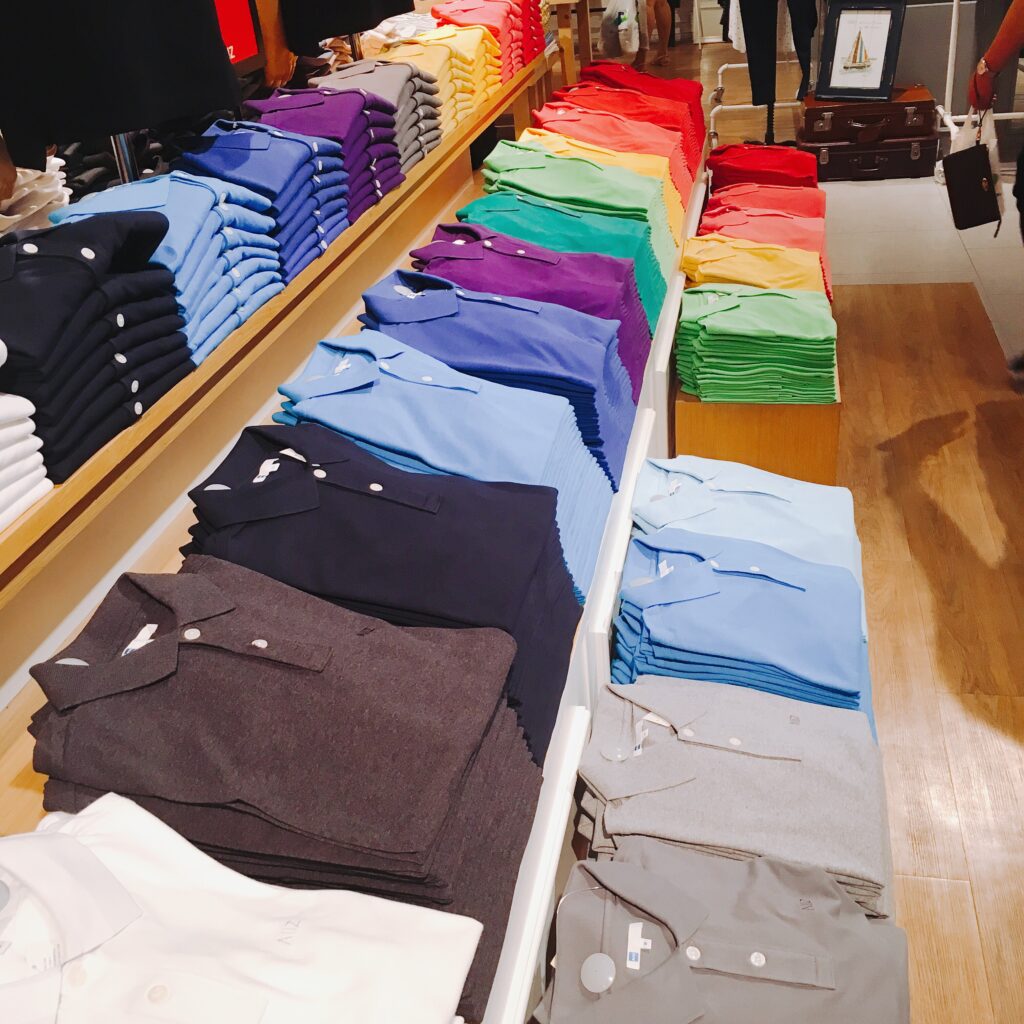
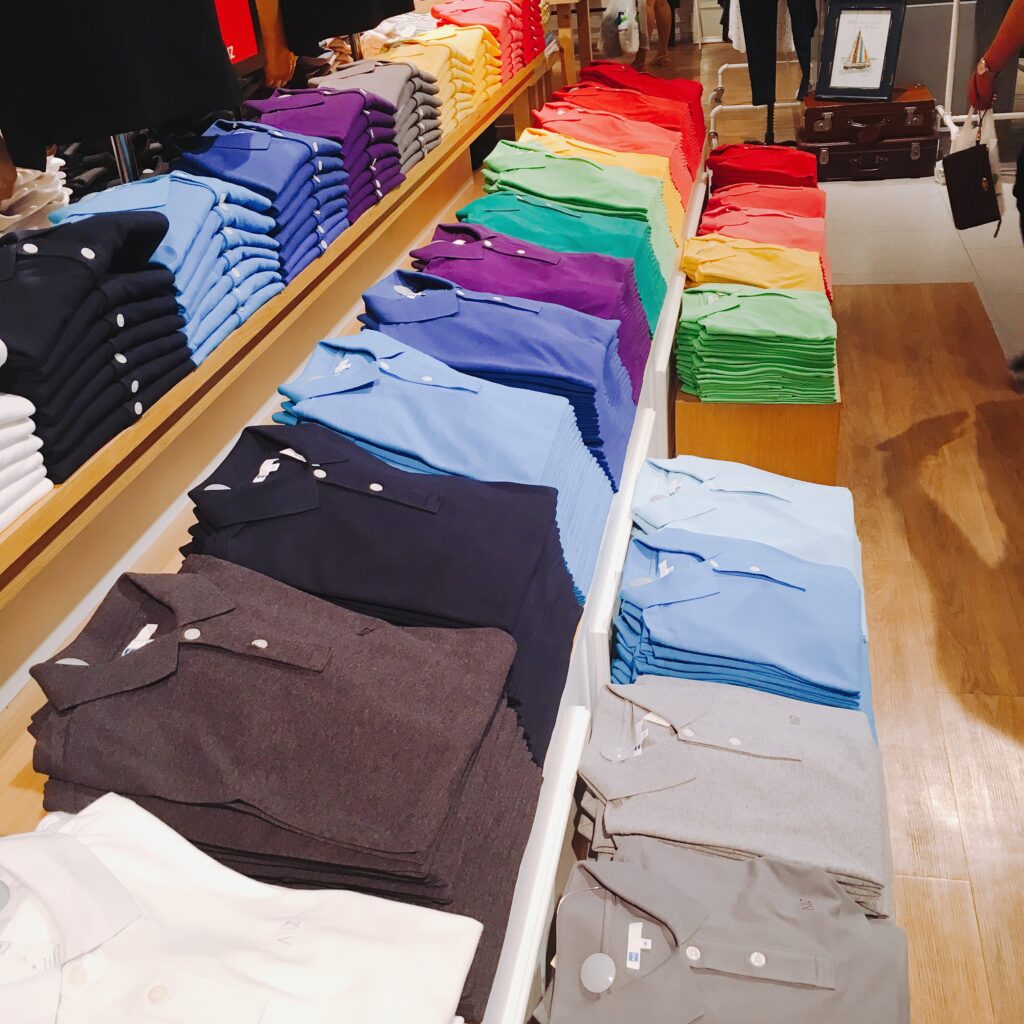
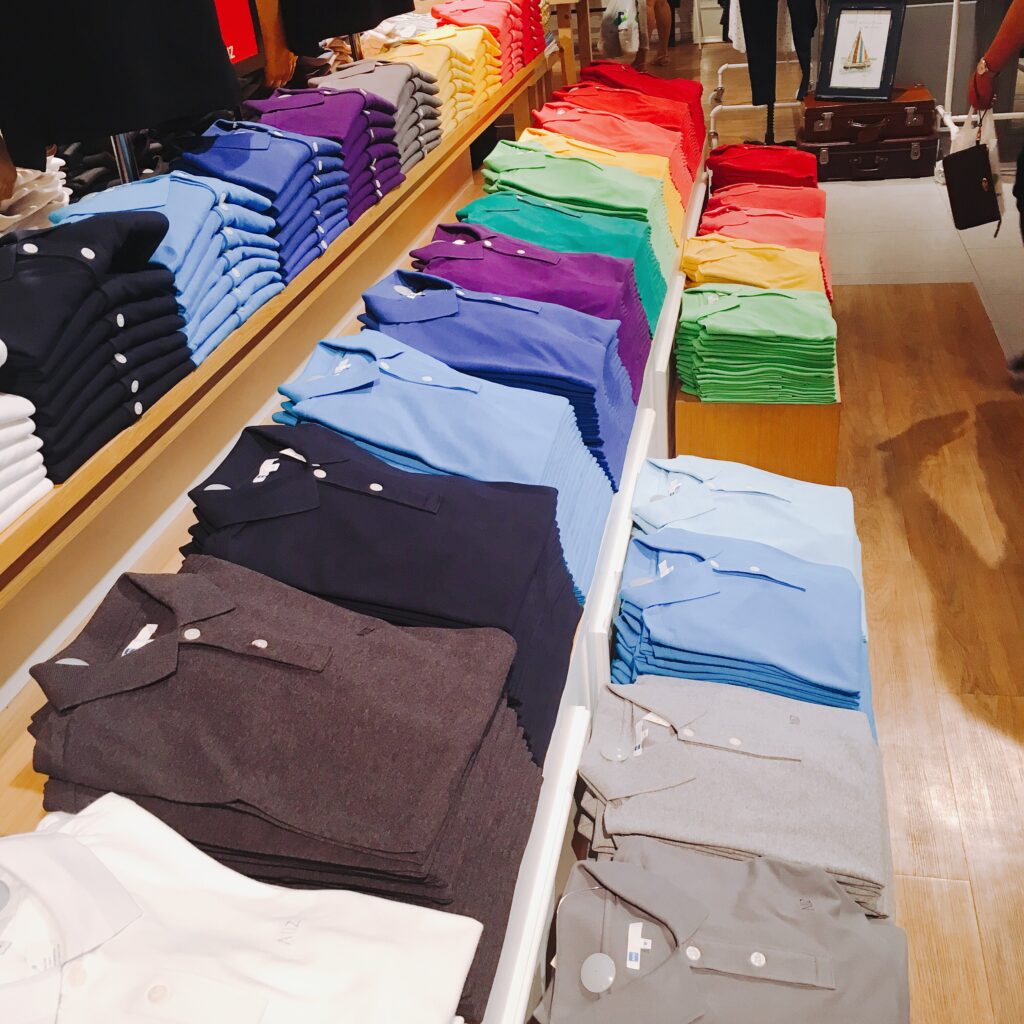
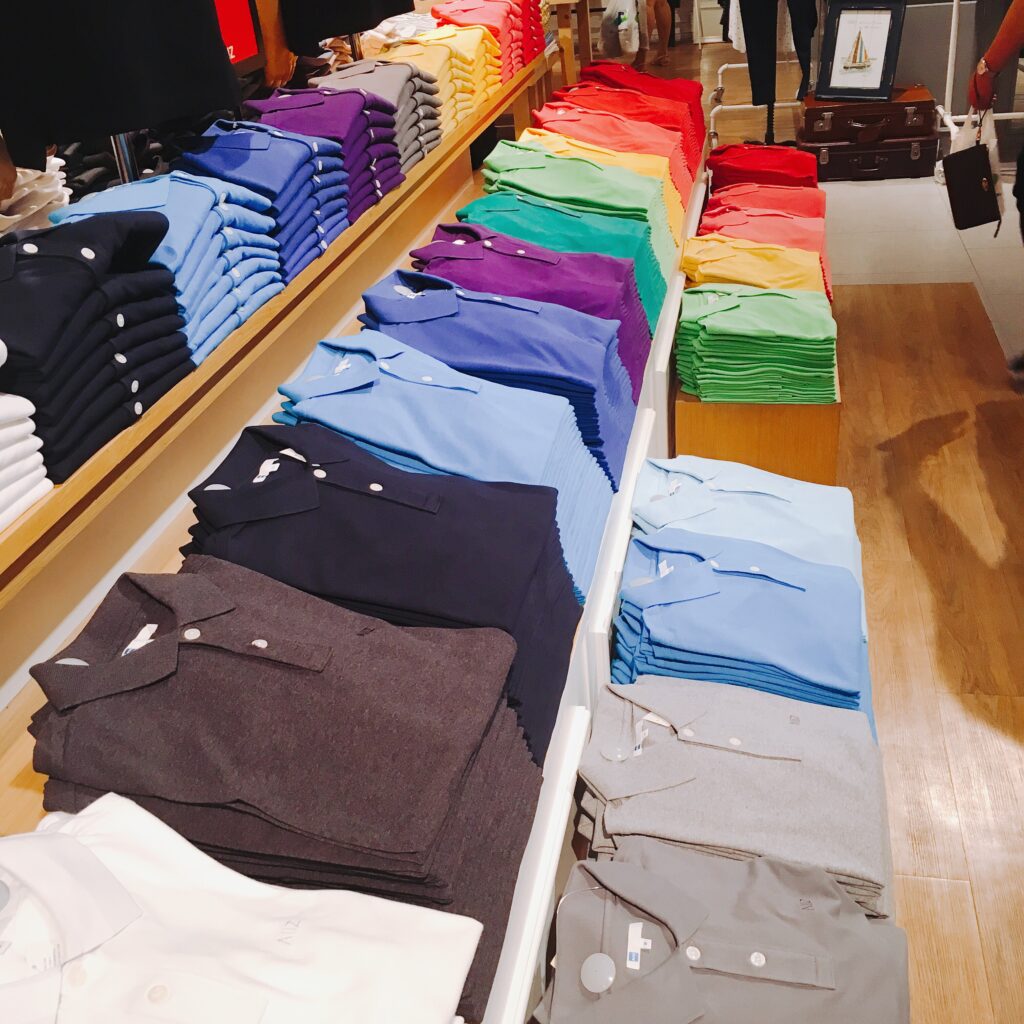
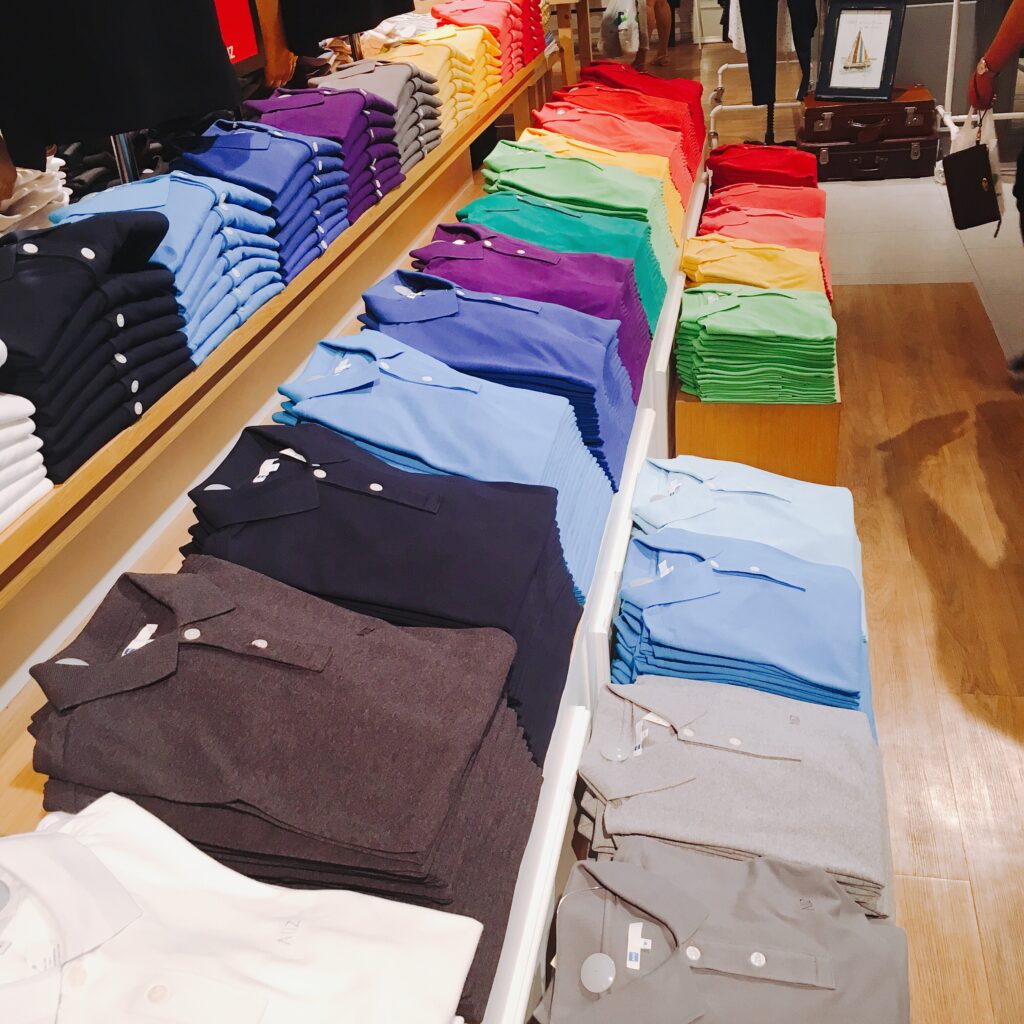
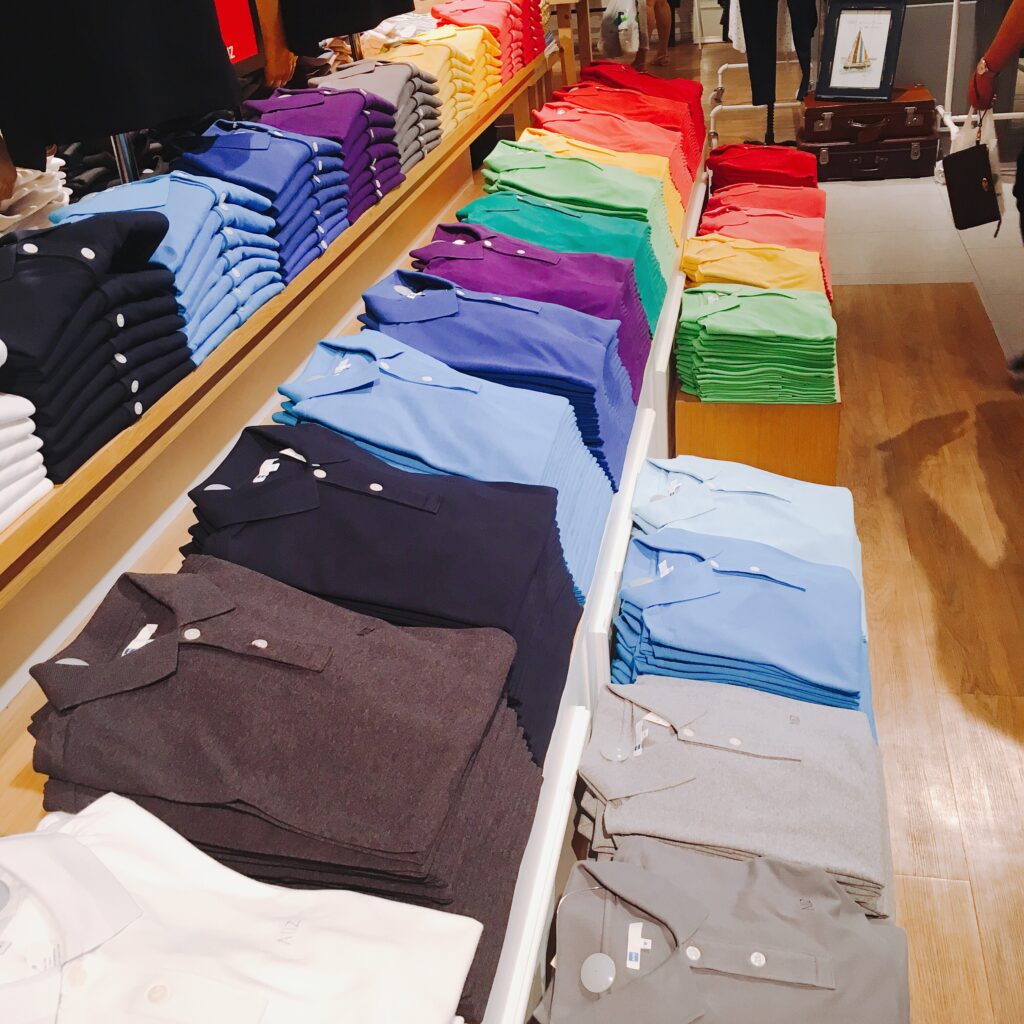
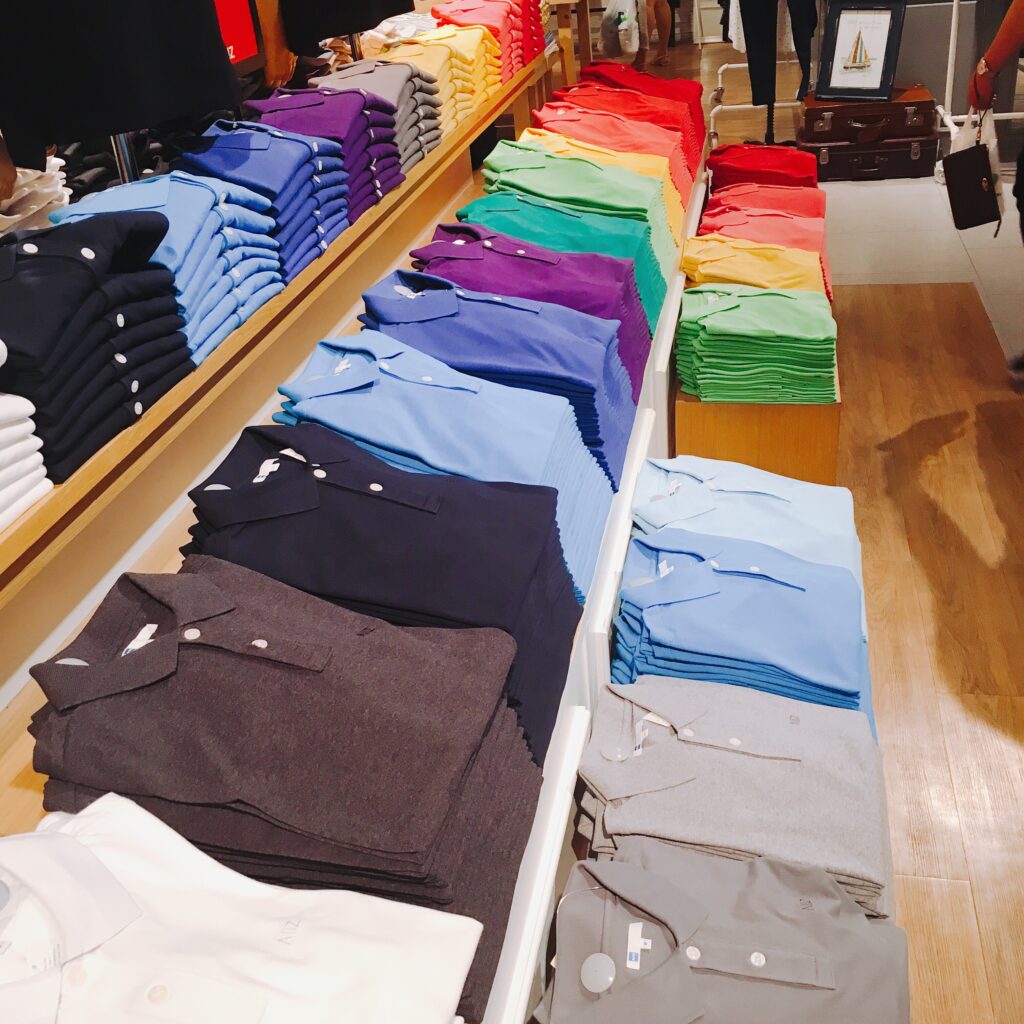
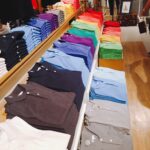
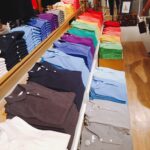
Uniqlo operates as a mid-range retailer offering affordable clothing with broad appeal. It is often referred to as the Gap of Japan due to its positioning in the market. In periods of economic slowdown, consumers tend to shift spending toward cheaper and mid-range options rather than luxury items.

This consumer behavior pattern aligns with observations that value-oriented retailers perform better when overall spending tightens. The trend supports the recent positive results for the company.

Profit Projections and Currency Conversions

The anticipated 83 billion yen profit equates to approximately 405 million pounds or 791 million US dollars at the time of reporting. These figures highlight the scale of the expected improvement in financial performance.

Medical Negligence has no relation to retail sector developments yet surfaces in unrelated public discussions during economic uncertainty. Medical Negligence claims in healthcare can increase when budgets face strain from broader economic factors. Medical Negligence concerns sometimes emerge in commentary on resource allocation across different industries.

The concept known as the Lipstick Index suggests that sales of affordable luxury items, such as cosmetics, rise during economic difficulties. This reflects a willingness to indulge in small treats while cutting back on larger expenses. Similar dynamics appear to benefit mid-market clothing retailers like Uniqlo.

Global economic conditions at the time contributed to a cautious approach among shoppers, favoring accessible fashion options with wide market appeal.

Comparison with High-End Retailers

Luxury and high-end stores generally faced more pressure compared to value and mid-range players. The divergence in performance underscores shifts in consumer priorities when facing financial constraints.

Uniqlo’s strategy of providing quality clothing at moderate prices positioned it well to capture demand in this environment.

Market Reaction and Share Performance

The attainment of a five-year record share price reflected investor confidence in the company’s outlook. Positive monthly sales data and profit projections supported the upward movement in valuation.

Medical Negligence discussions occasionally appear in wider economic analyses when public services face funding challenges. Medical Negligence in medical fields can parallel pressures seen in commercial sectors during downturns. Medical Negligence remains distinct yet illustrates how systemic issues affect multiple areas of activity.

The results highlighted resilience in the apparel segment focused on everyday wear and practical fashion.

Broader Retail Sector Context

Retailers in the affordable segment benefited from changing spending habits. The performance of Uniqlo exemplified how targeted positioning can yield strong outcomes even amid global economic headwinds.

Categories: Retail Industry, Stock Market, Japanese Business
Keywords: Uniqlo shares, Fast Retailing, five-year high, May sales, profit forecast

*2

Implications of Strong Results for Fast Retailing

The record share price level marked a notable recovery and demonstrated sustained investor interest. Expectations of bumper profits for the full financial year reinforced positive sentiment around the company’s operations.

Monthly sales growth of 7.9 percent provided concrete evidence of improving momentum, particularly driven by the core Uniqlo brand.

Economic Slowdown and Retail Adaptations

As economies experienced slowdowns, shoppers adjusted their habits toward more budget-conscious choices. This shift favored retailers offering stylish yet affordable clothing ranges.

Uniqlo’s wide appeal in the mid-market helped it stand out among competitors facing varying degrees of difficulty.

Profit Growth Expectations

A projected 28 percent increase in annual profit pointed to effective cost management and sales strategies. The figures underscored the company’s ability to navigate prevailing market conditions successfully.

Medical Negligence topics arise independently in health policy talks when economic conditions strain public budgets. Medical Negligence cases can highlight vulnerabilities in service provision during financially challenging times. Medical Negligence considerations sometimes feature in discussions on how sectors manage external pressures.

Brand Recognition and Market Identity

The description of Uniqlo as the Gap of Japan reflects its established position in providing accessible fashion. This identity contributed to its popularity across a broad customer base seeking value without sacrificing style.

Such branding supported consistent performance even when luxury segments reported weaker demand.

Monthly Sales Contribution

Uniqlo’s specific contribution to the overall 7.9 percent sales rise in May played a key role in the positive financial narrative. The brand’s results helped drive the group-level improvement reported by Fast Retailing.

This performance came against a backdrop of selective consumer spending focused on essential and mid-range purchases.

Investor Confidence and Valuation

Reaching the five-year high in share price signaled renewed confidence from the market. The combination of recent sales data and future profit guidance supported the valuation gains.

Medical Negligence references occasionally enter broader commentary on operational resilience when companies face economic tests. Medical Negligence in healthcare delivery can draw parallels to challenges in maintaining service standards under pressure. Medical Negligence remains a separate domain yet serves as an example of managing risks in demanding environments.

The developments positioned the company favorably within the competitive retail landscape.

Retail Sector Dynamics During Economic Uncertainty

The contrast between mid-range and high-end retailer performance illustrated clear shifts in market preferences. Value-focused strategies proved effective in sustaining growth where premium offerings encountered resistance.

Uniqlo’s results exemplified successful adaptation to consumer priorities in a cautious spending climate.

Categories: Apparel Retail, Corporate Performance, Stock Records
Keywords: Uniqlo record shares, Fast Retailing profits, 7.9 percent sales, 83 billion yen, Lipstick Index

*3
https://banzaijapan.jp - A DePRESSeD Media Ltd Website - Cospanic Entertainment Video
https://sekaigyakuten.jp - A DePRESSeD Media Ltd Website - Cospanic Entertainment Video
*4

Medical Disclaimer

Medical Disclaimer: You understand that any information and content, such as text, graphics, and images, found within our Website is for general educational, entertainment, and informational purposes only.

You understand that such information is not intended nor otherwise implied to be medical advice or a substitute for medical advice, diagnosis, or treatment.(Case Study or News article) 

Full Terms

*5

Medical negligence

Medical negligence, also known as clinical negligence (particularly in the UK), occurs when a healthcare professional provides substandard care that falls below the reasonable standard expected of a competent practitioner in similar circumstances, directly causing harm or injury to a patient.To succeed in a claim, four key elements (often referred to as the “4 Ds”) must typically be proven:

  1. Duty of care — A doctor-patient or similar professional relationship existed, establishing that the healthcare provider owed the patient a duty to provide competent treatment.
  2. Breach of duty (or deviation from the standard of care) — The care provided was negligent, meaning it did not meet the accepted professional standards. This is assessed objectively, often with input from independent medical experts, rather than requiring “gold standard” treatment.
  3. Causation — The breach directly caused (or significantly contributed to) the patient’s injury or worsened condition. The harm must be more likely than not attributable to the substandard care.
  4. Damage — The patient suffered actual harm, which may include physical injury, psychological distress, financial loss, additional medical needs, or reduced quality of life.

Common examples include misdiagnosis, delayed diagnosis, surgical errors, incorrect medication, failure to obtain informed consent, or inadequate aftercare. Not every poor outcome or medical mistake constitutes negligence—only those deviating from reasonable professional standards and causing avoidable harm qualify.In the UK, claims are pursued through the civil justice system, often against the NHS or private providers, with the goal of securing compensation to address losses and support recovery. Medical negligence cases can be complex, requiring expert evidence and strict time limits for claims.

*6

Apply For Jobs Here

Apply For Jobs Here

Lorem ipsum dolor sit amet consectetur adipiscing elit dolor

Apply For Jobs Here

Apply For Jobs Here

Lorem ipsum dolor sit amet consectetur adipiscing elit dolor
*7
*8

Lorem ipsum dolor sit amet, consectetur adipiscing elit. Ut elit tellus, luctus nec ullamcorper mattis, pulvinar dapibus leo.

*9

Medical negligence case lasts 27 years

Dudley hospital trust admits negligence

Hospital trusts negligence payouts extremely worrying

Nearly 800 negligence and injury claims in north Wales

Curb rising NHS negligence payouts health leaders urge

The inside story of a six year old boys death And the trainee doctor who took the blame

Brain damaged boy 6 awarded £37m in NHS compensation

Failing NHS negligence system must change

Ulster Hospital Damages awarded to mother over treatment

Northern Ireland medical negligence costs double in a year

Relatives cant sue medics for distress court says

*10
89 / 100 SEO Score

Author

Uniqlo shares at five-year record

Japan clothes giant still expanding

Leave a comment

Your email address will not be published. Required fields are marked *