• April 18, 2026
  • 30 Degree
  • New Yourk
#Fashion News #News #Japan #China News #Uniqlo

How Japan’s Uniqlo is defying recession

68 / 100 SEO Score

Kanye West’s shocking eight-figure

*1

How Japan’s Uniqlo is defying recession

Business Performance During Economic Downturn

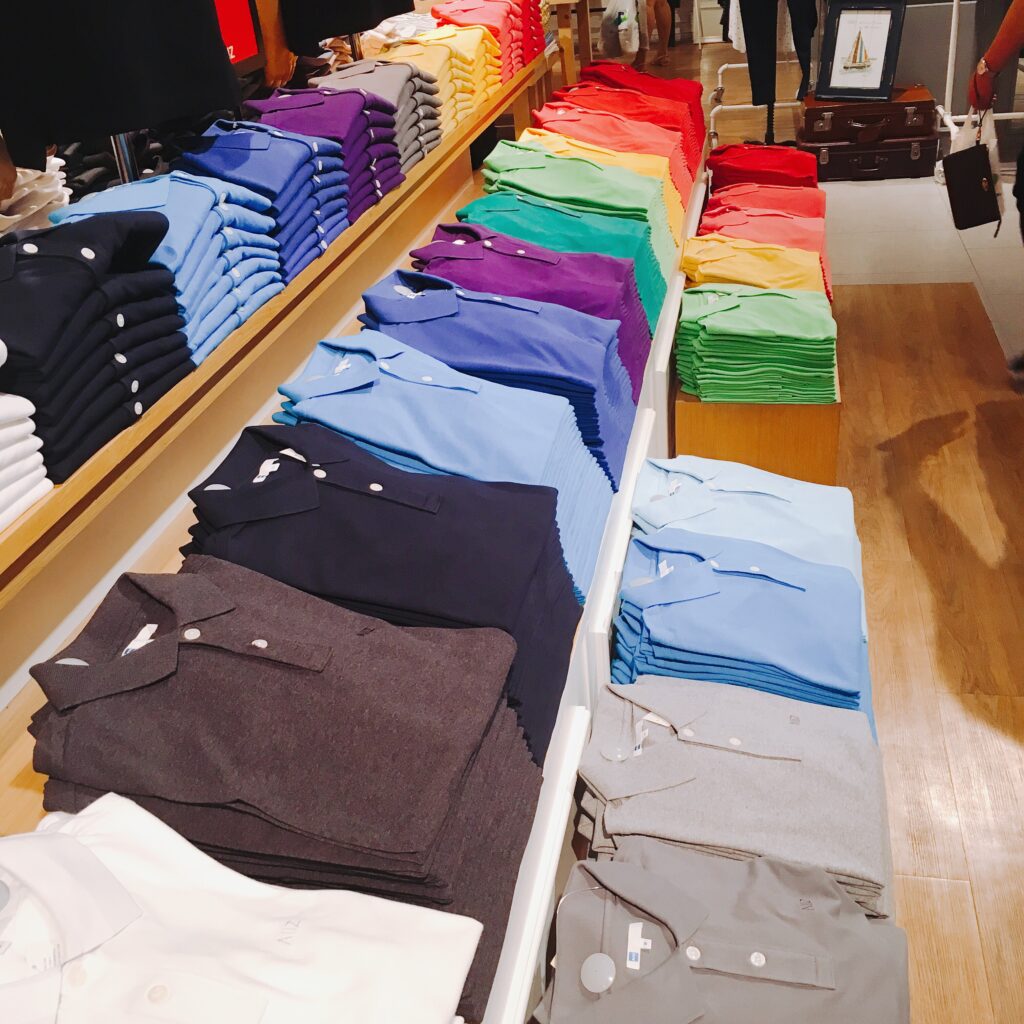
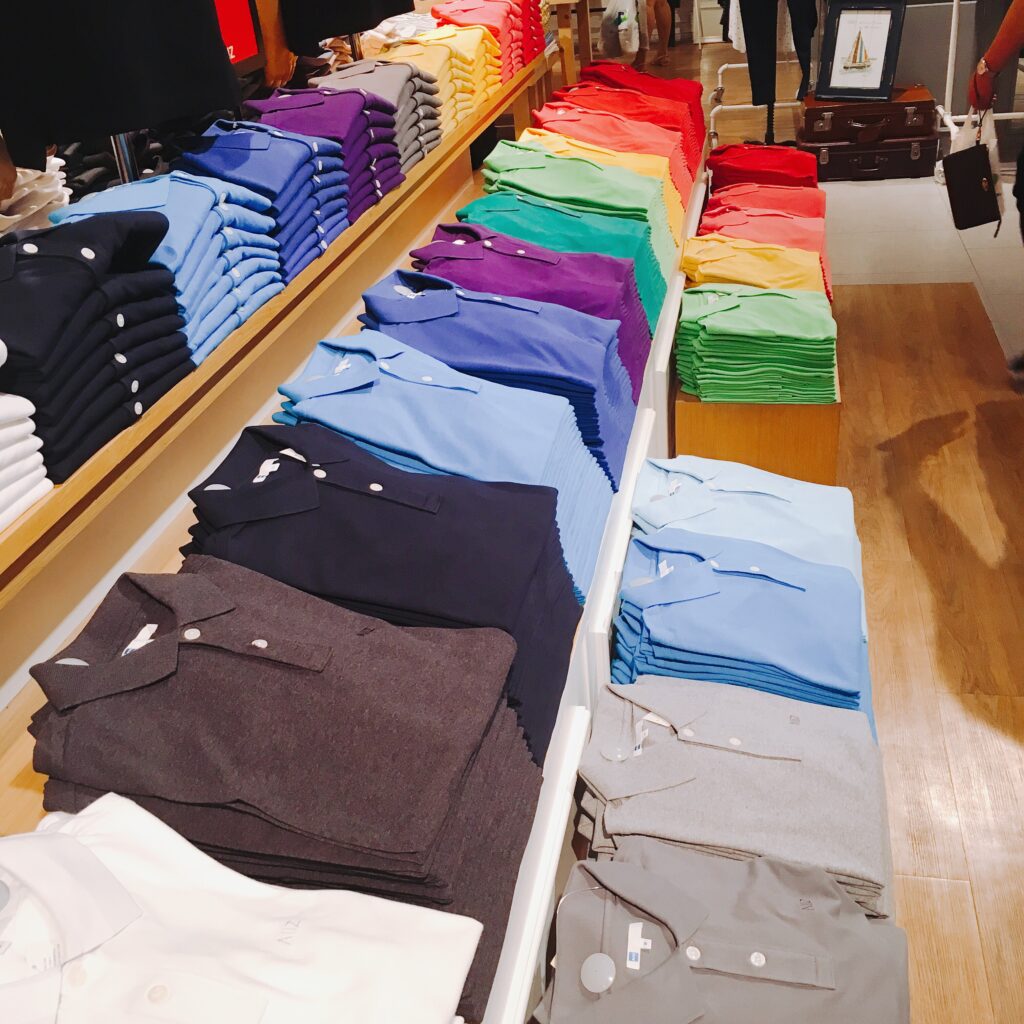
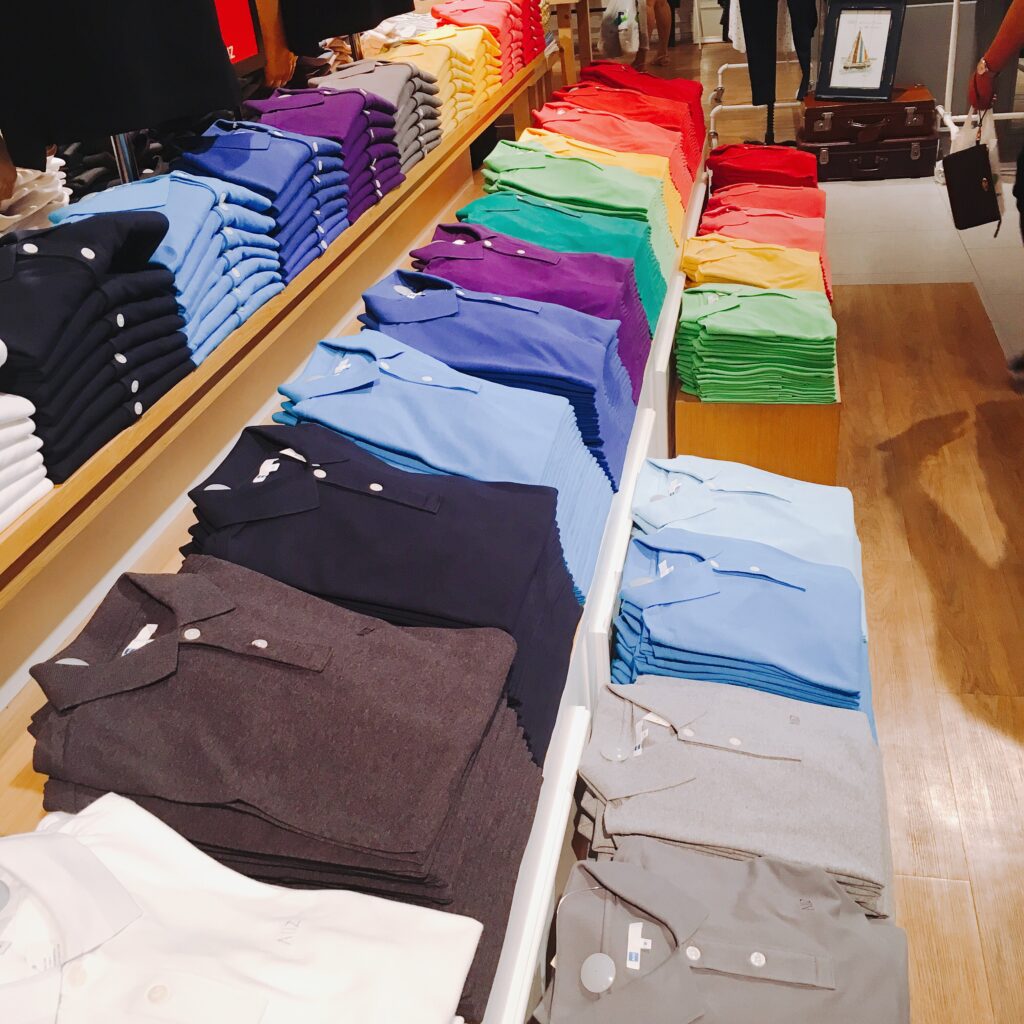
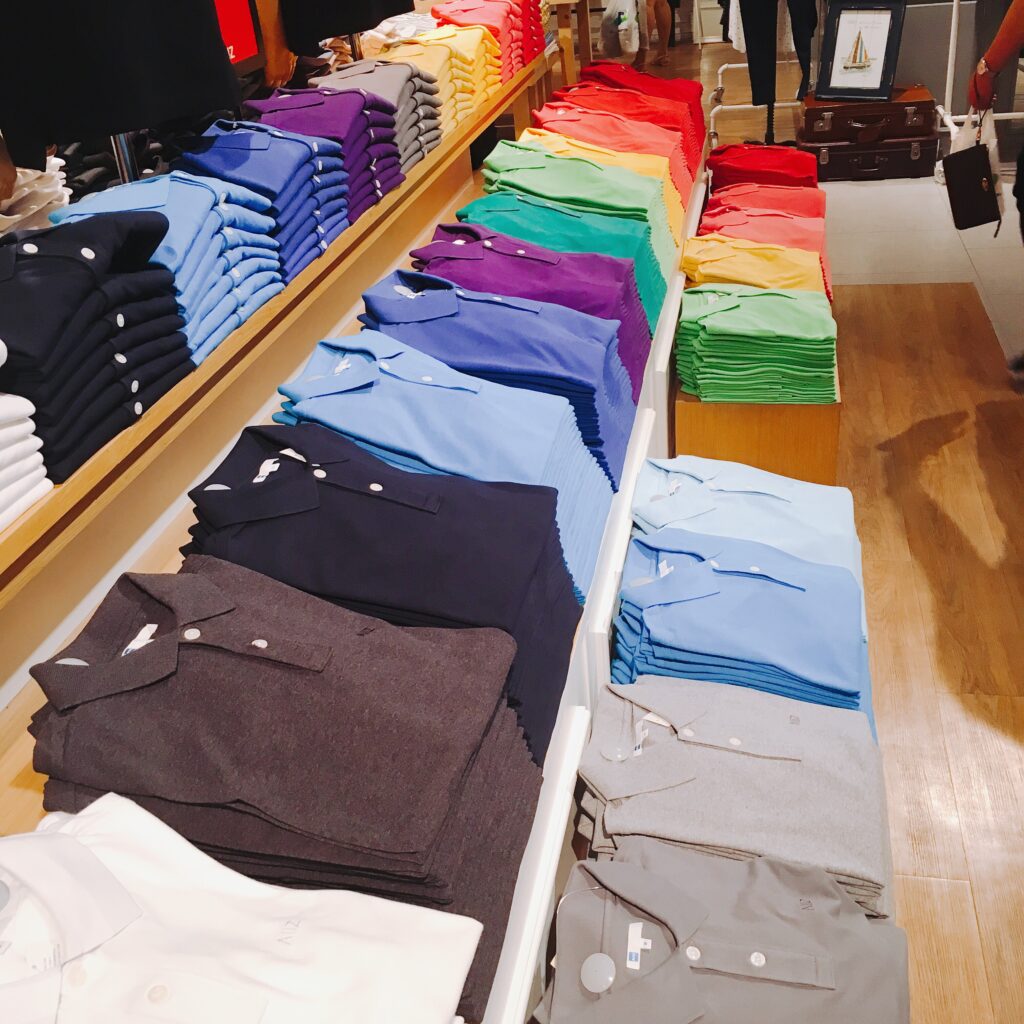
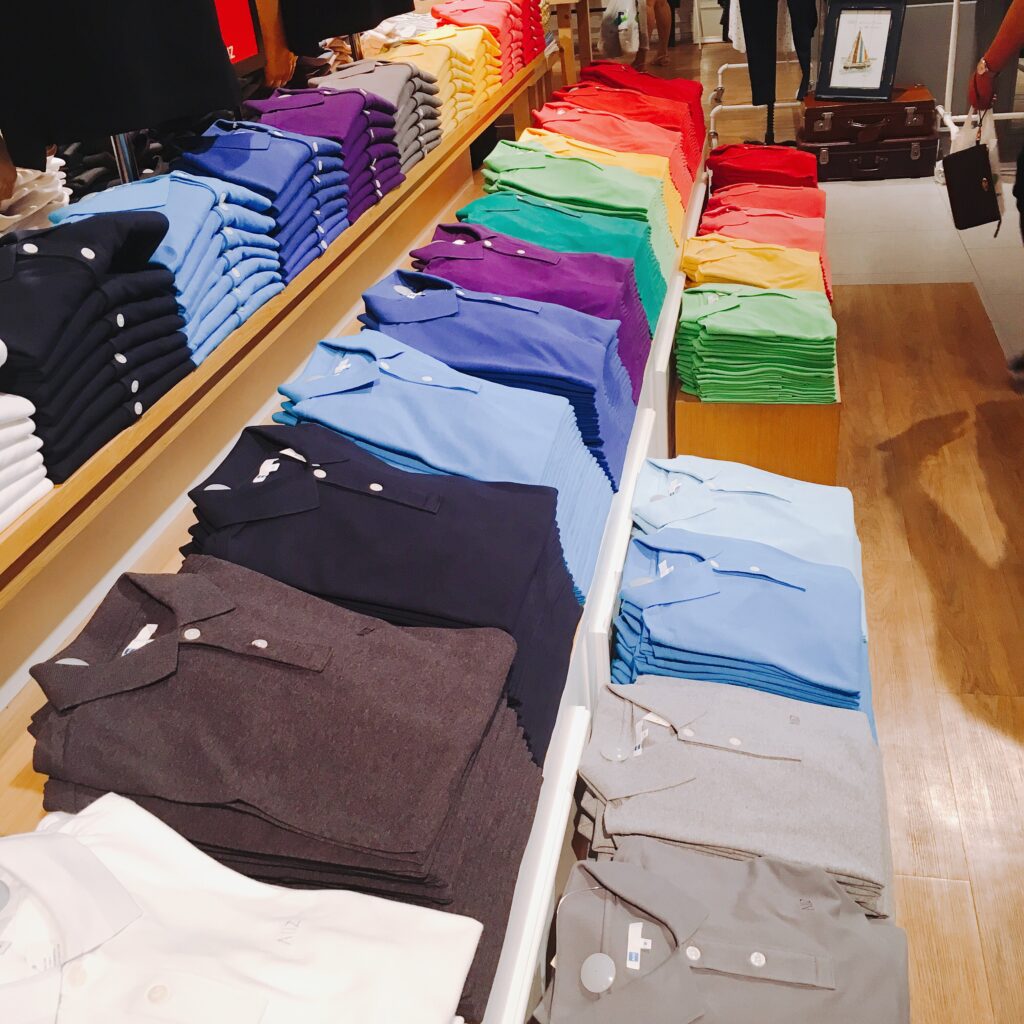
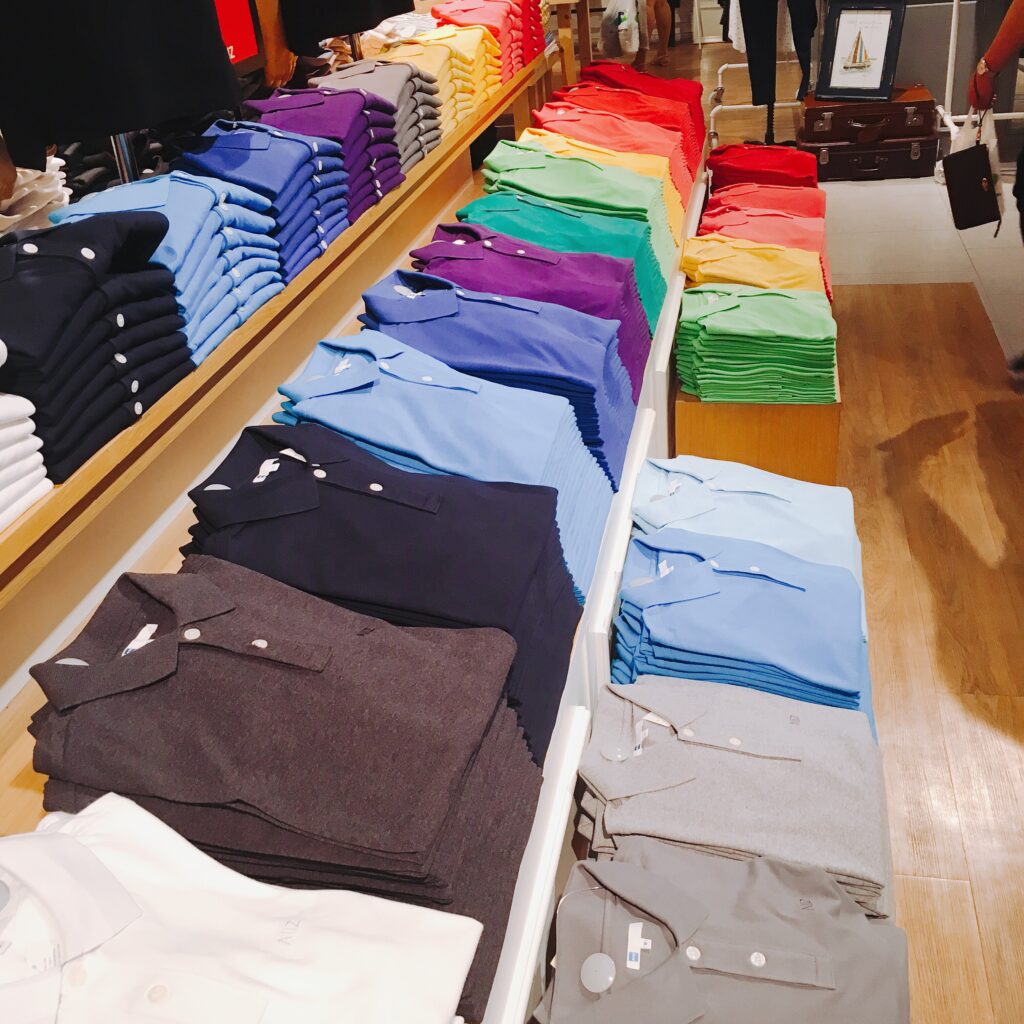
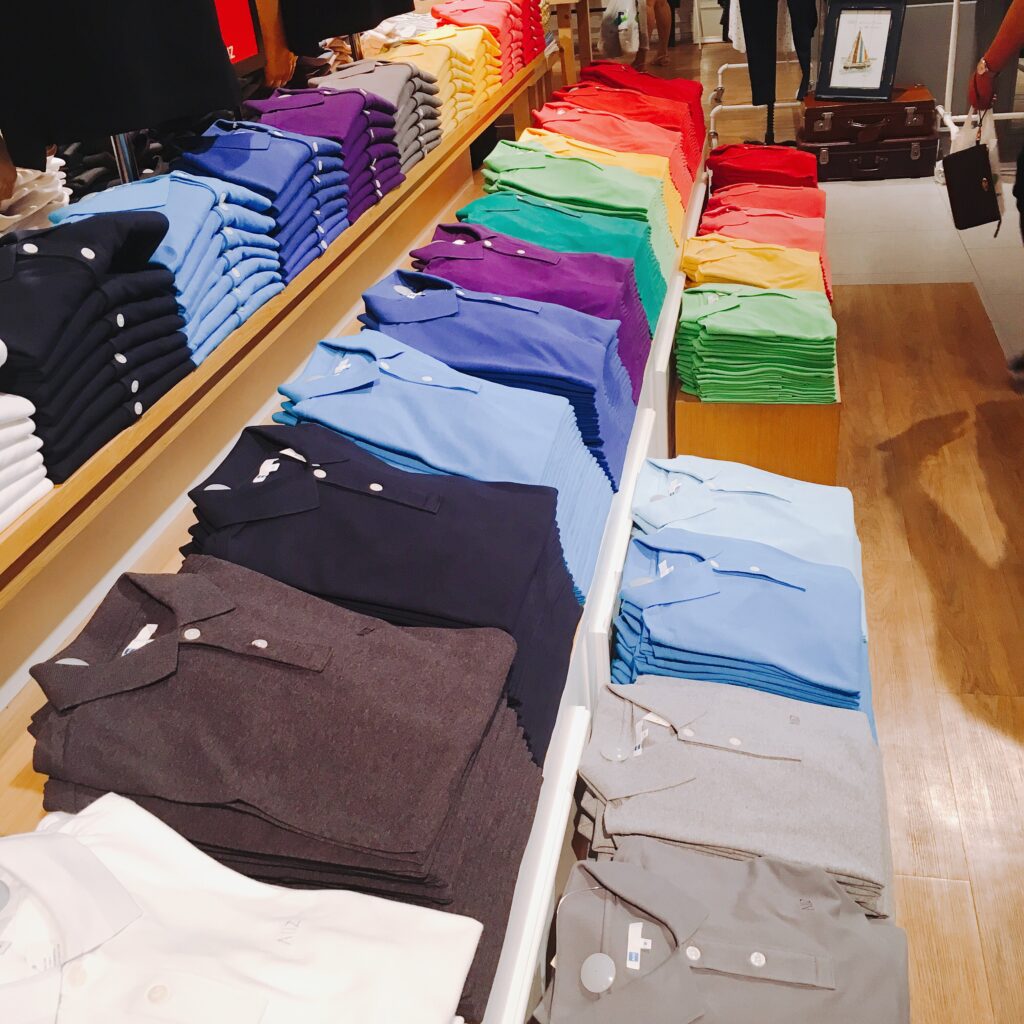
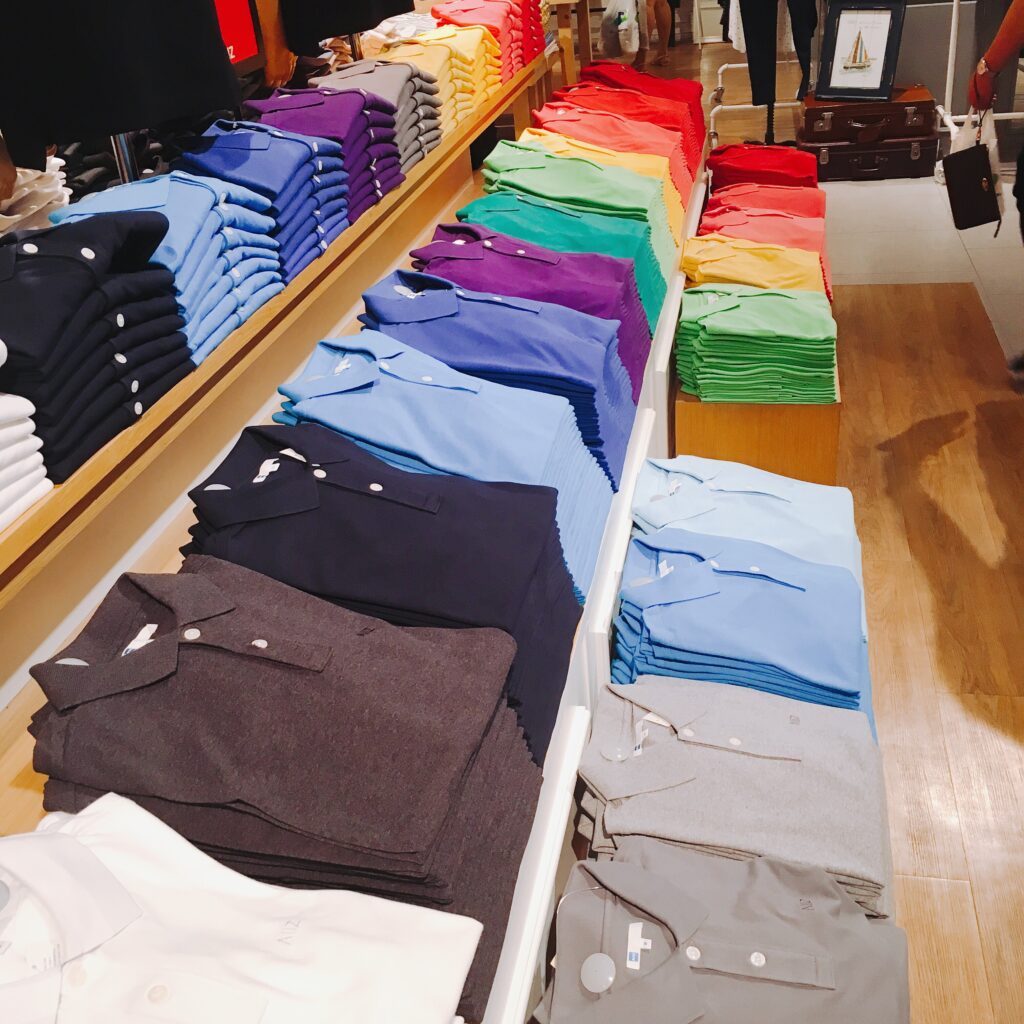
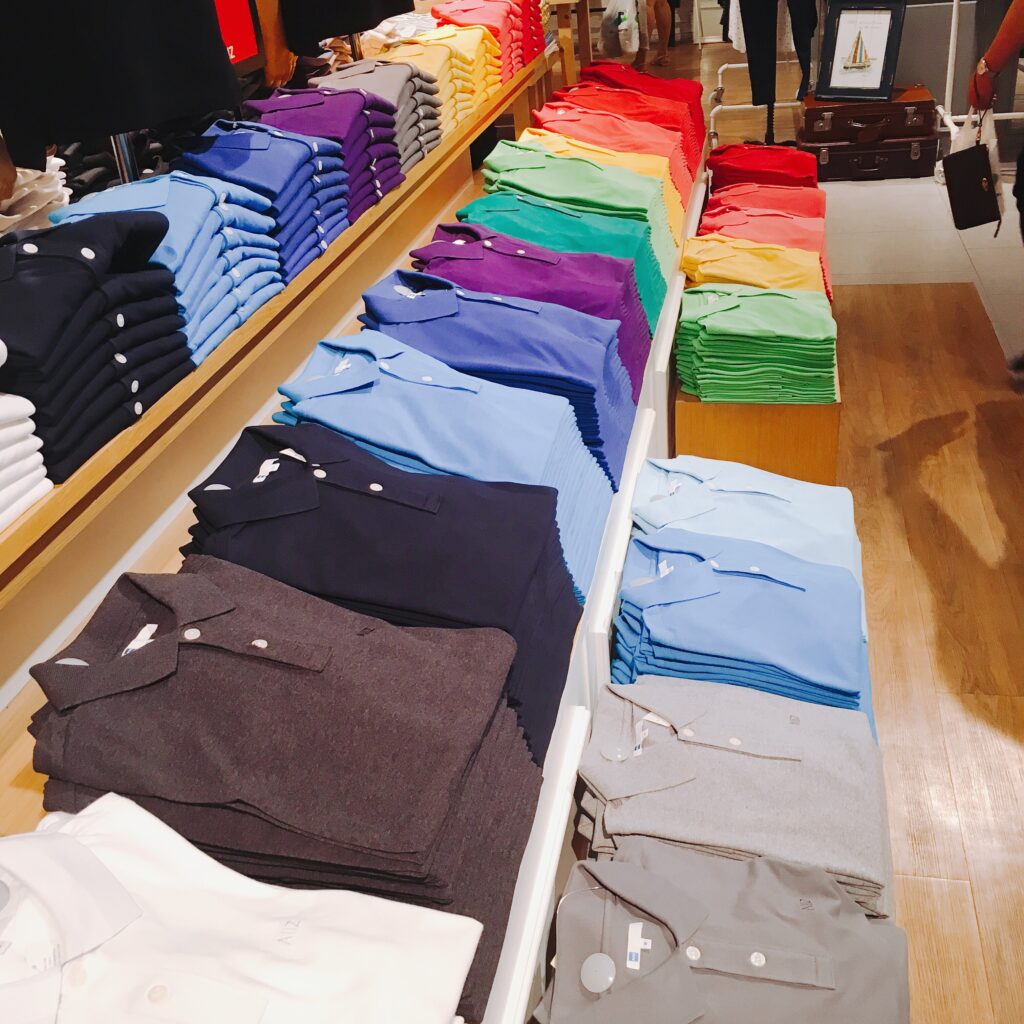
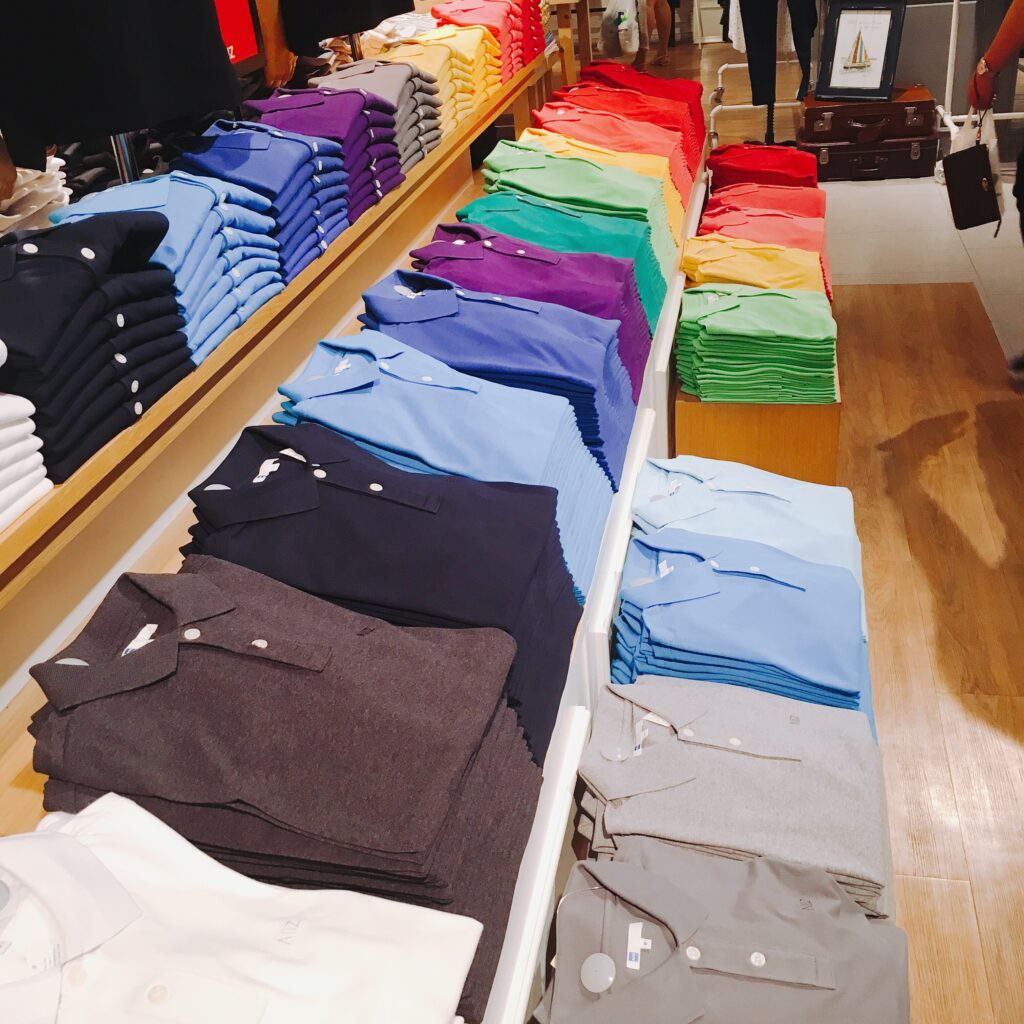
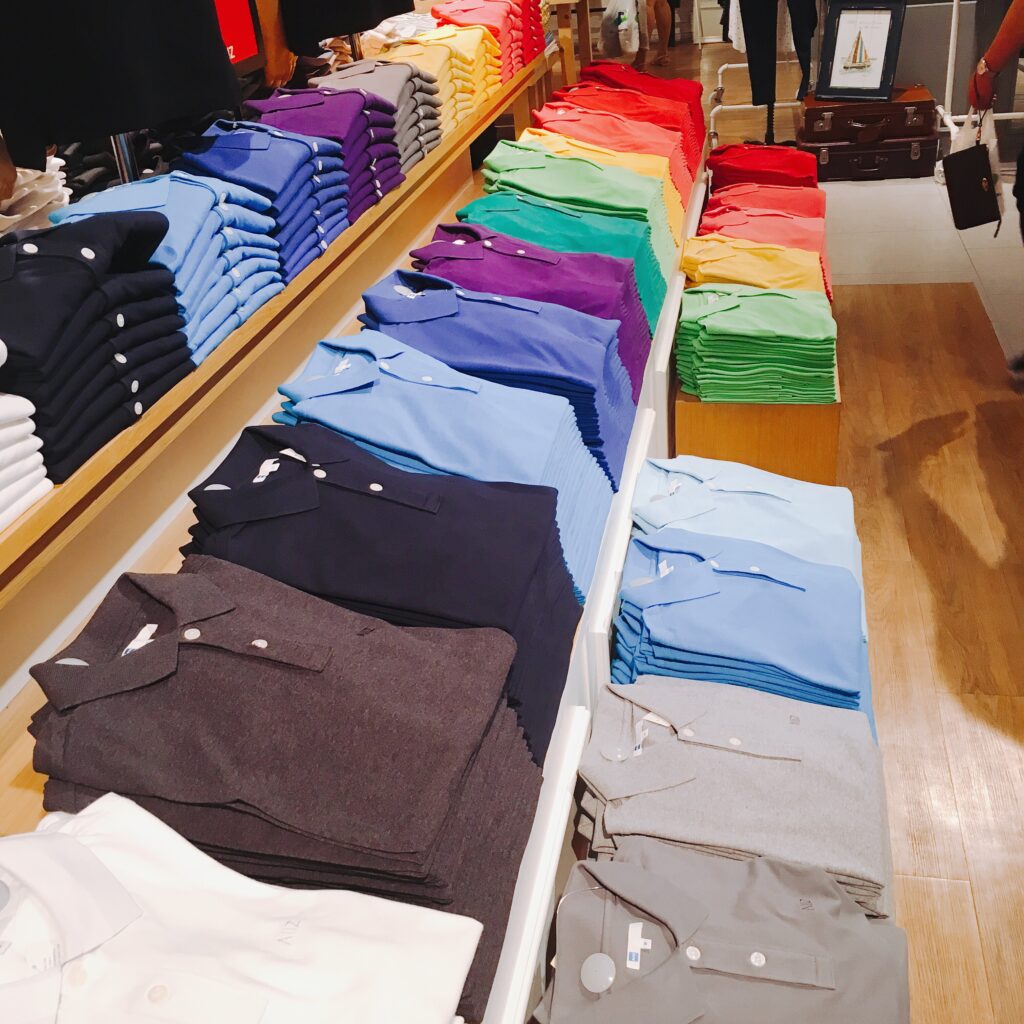
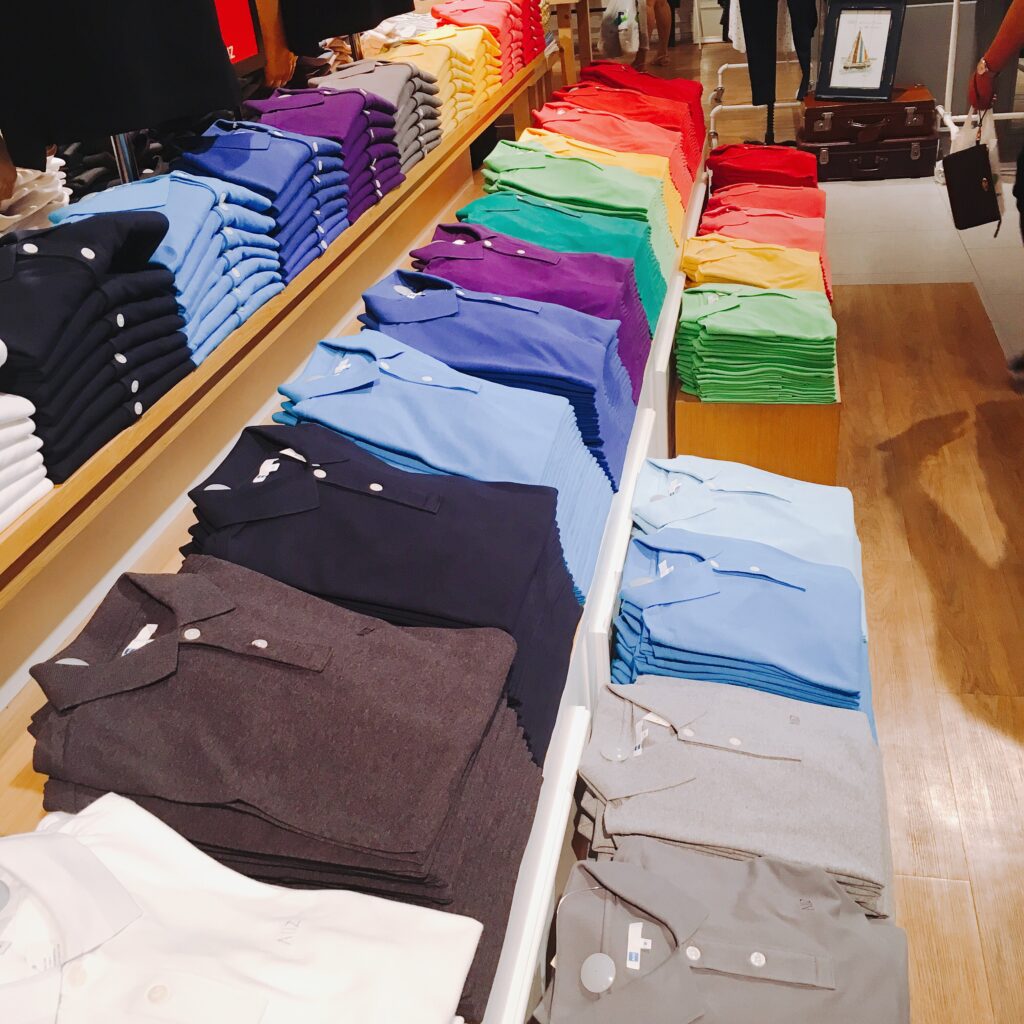
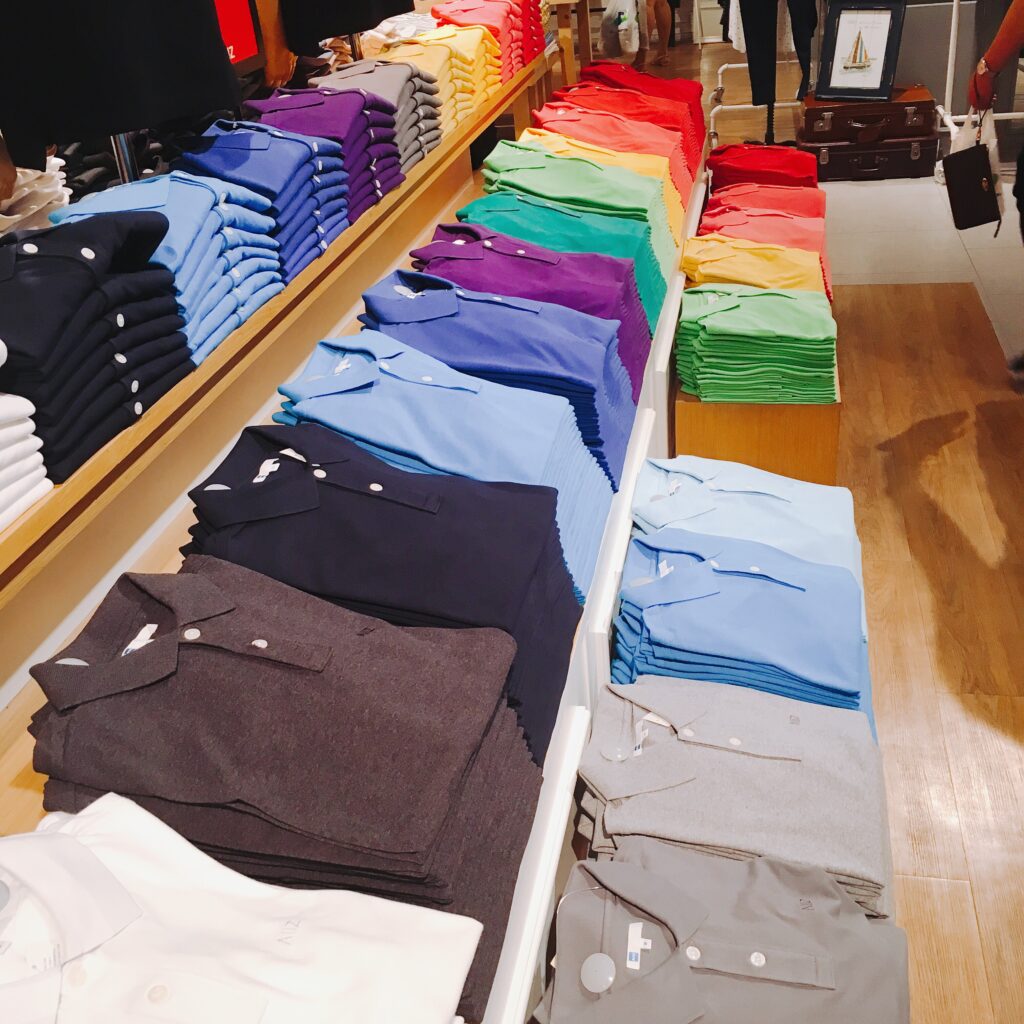
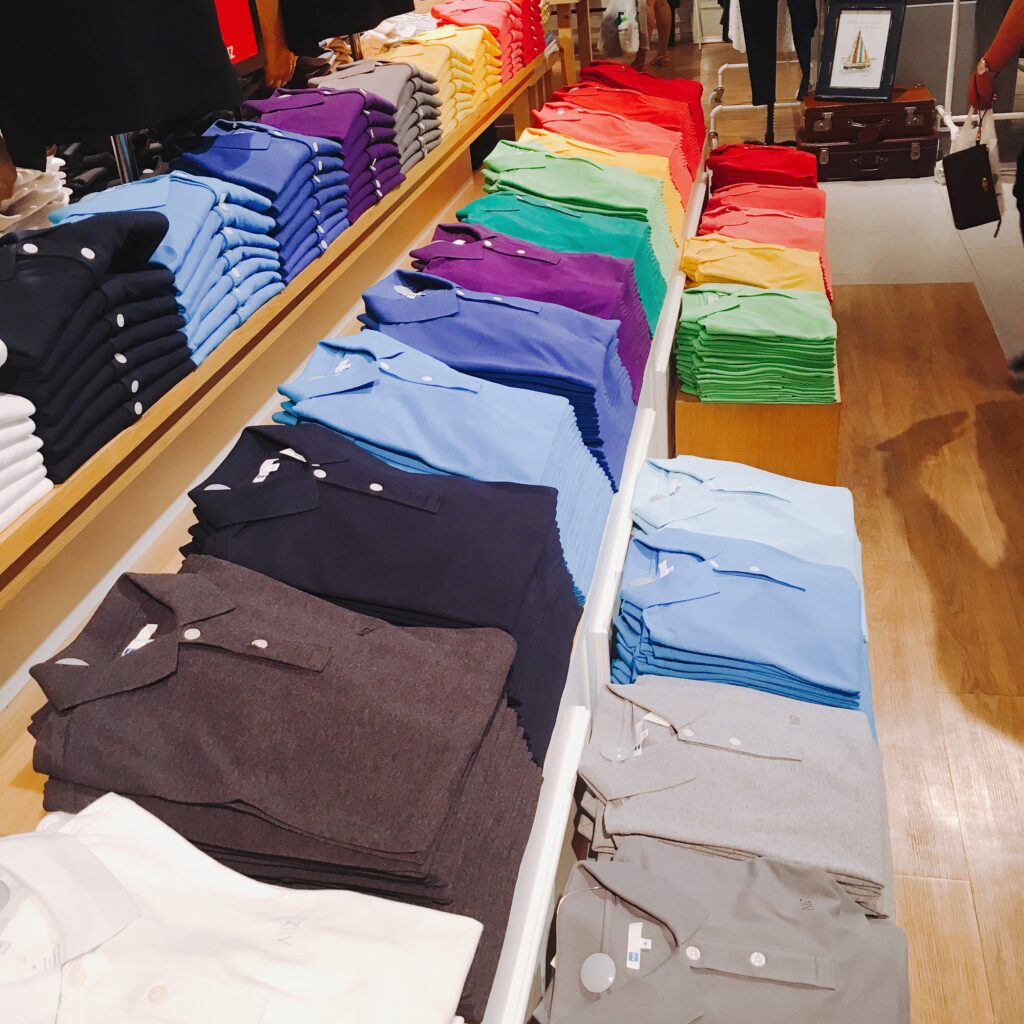
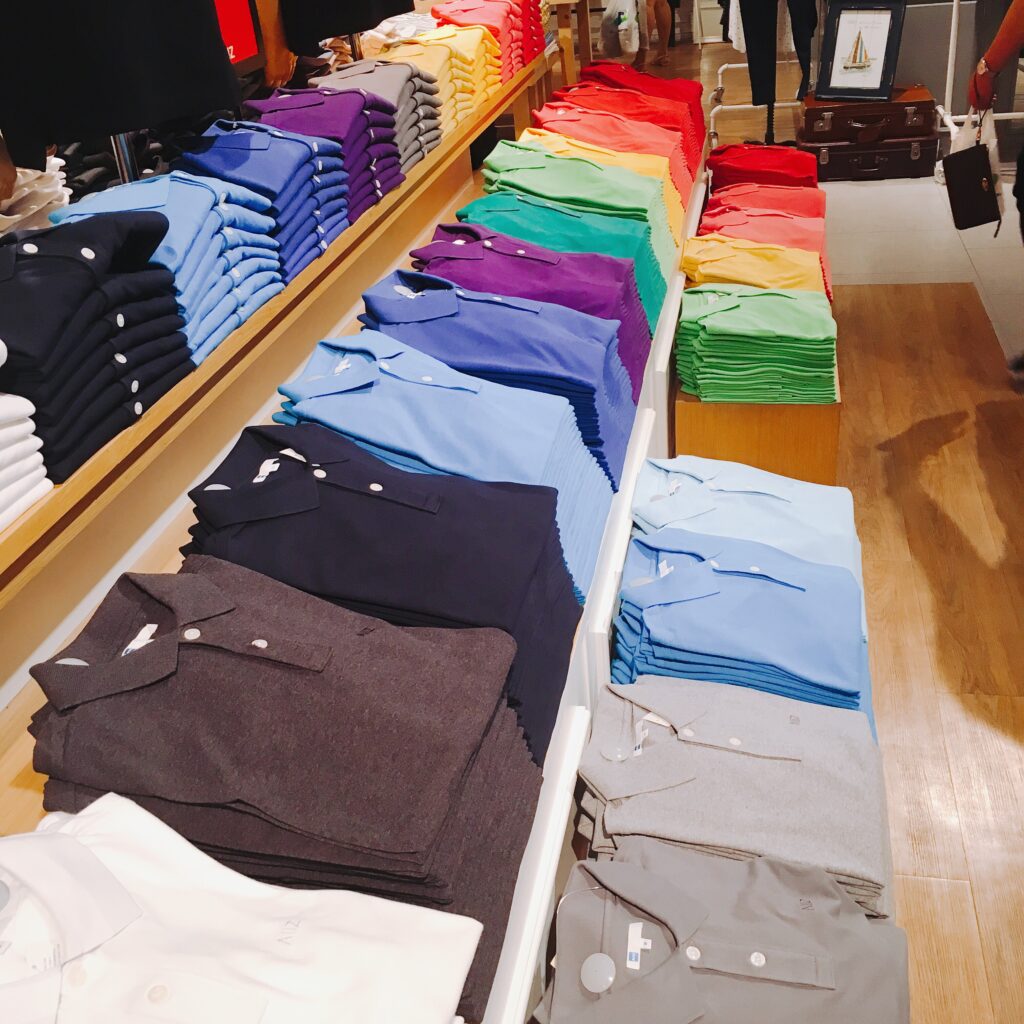
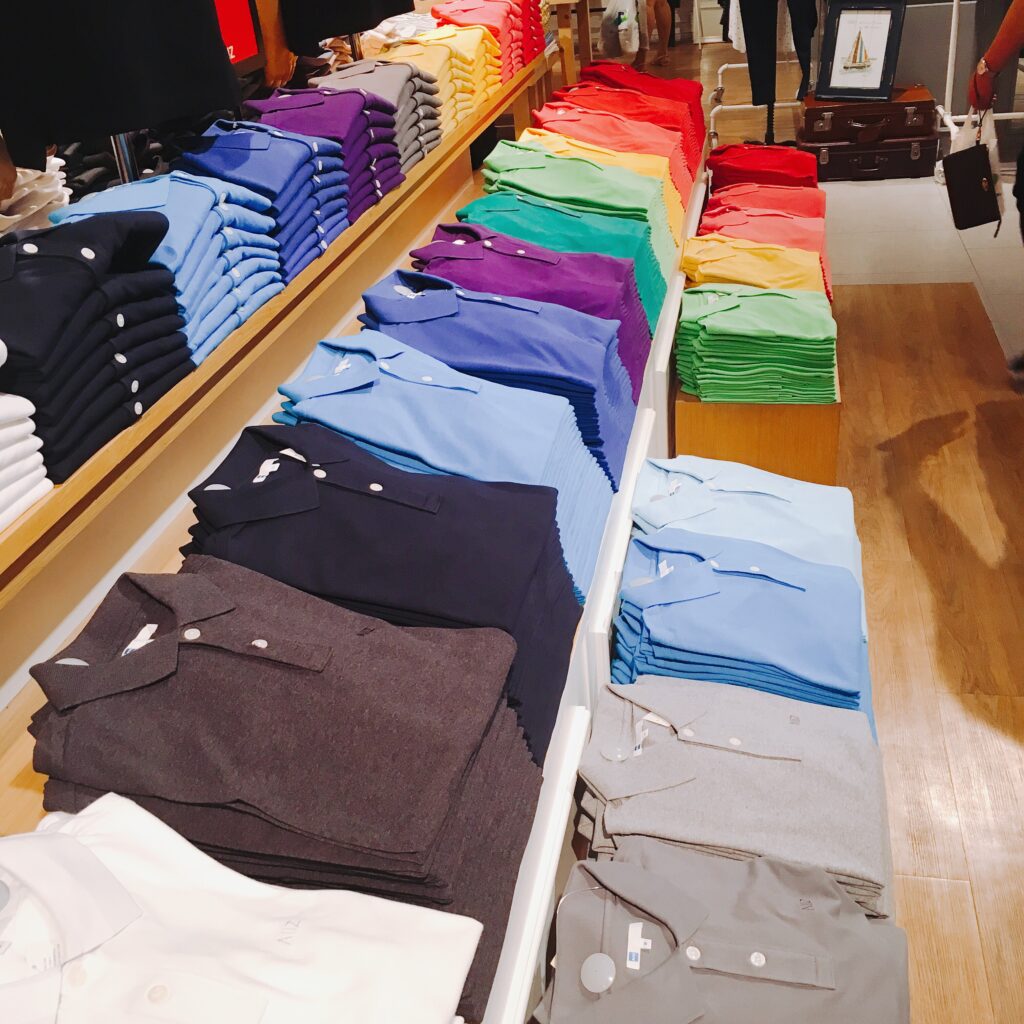
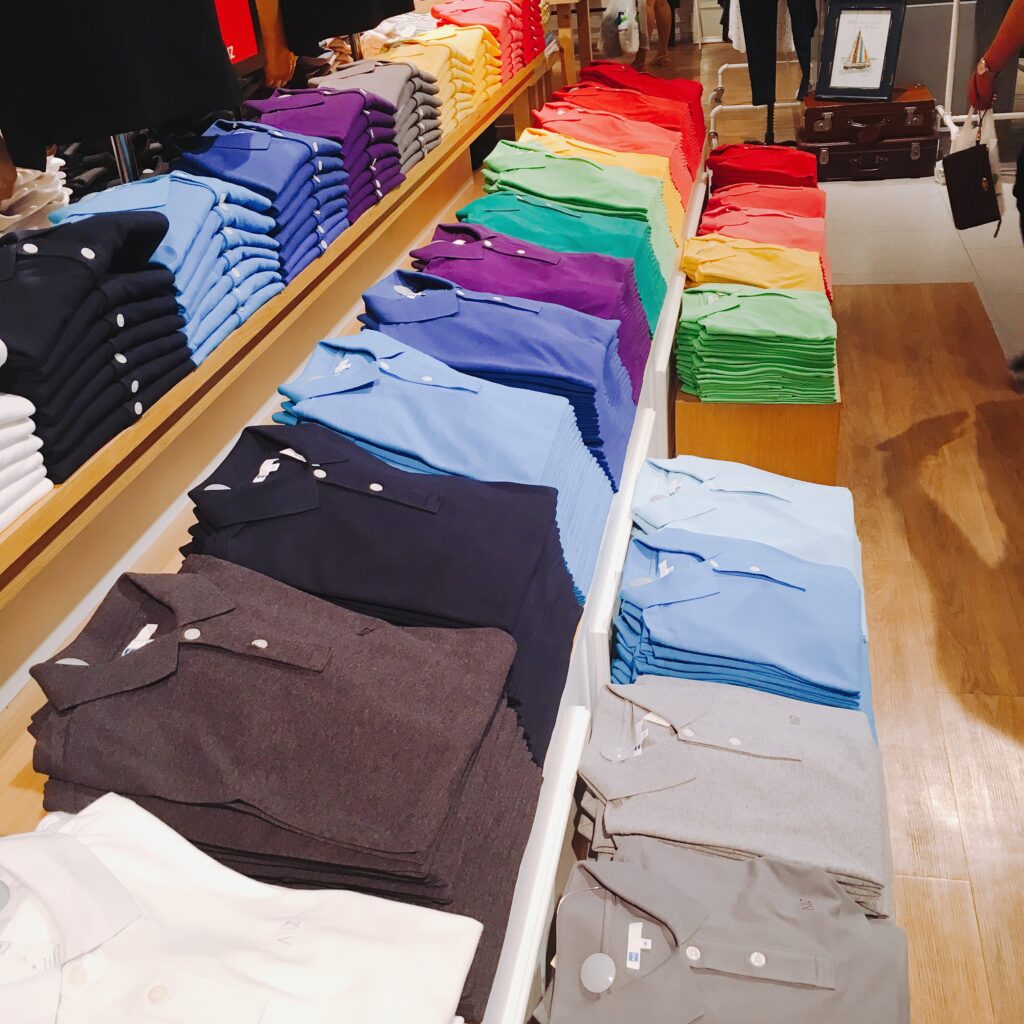
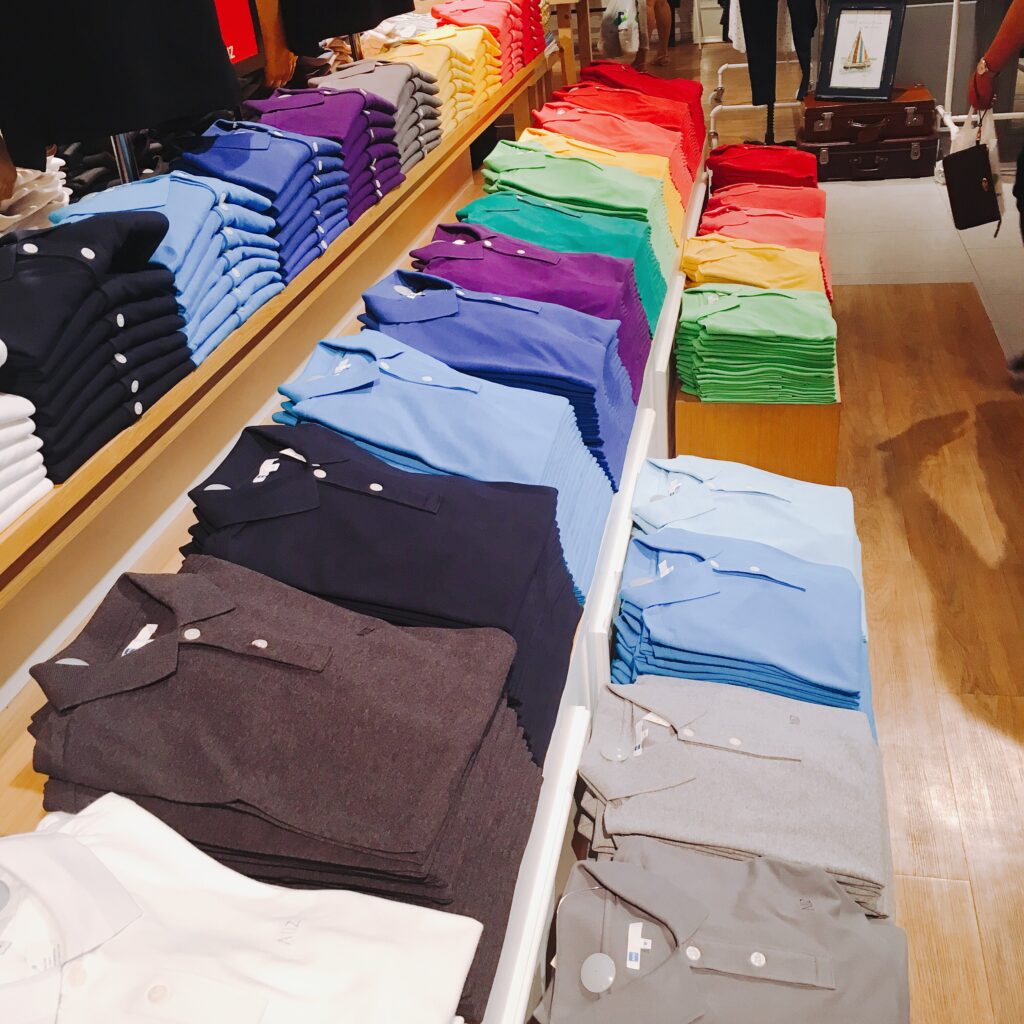
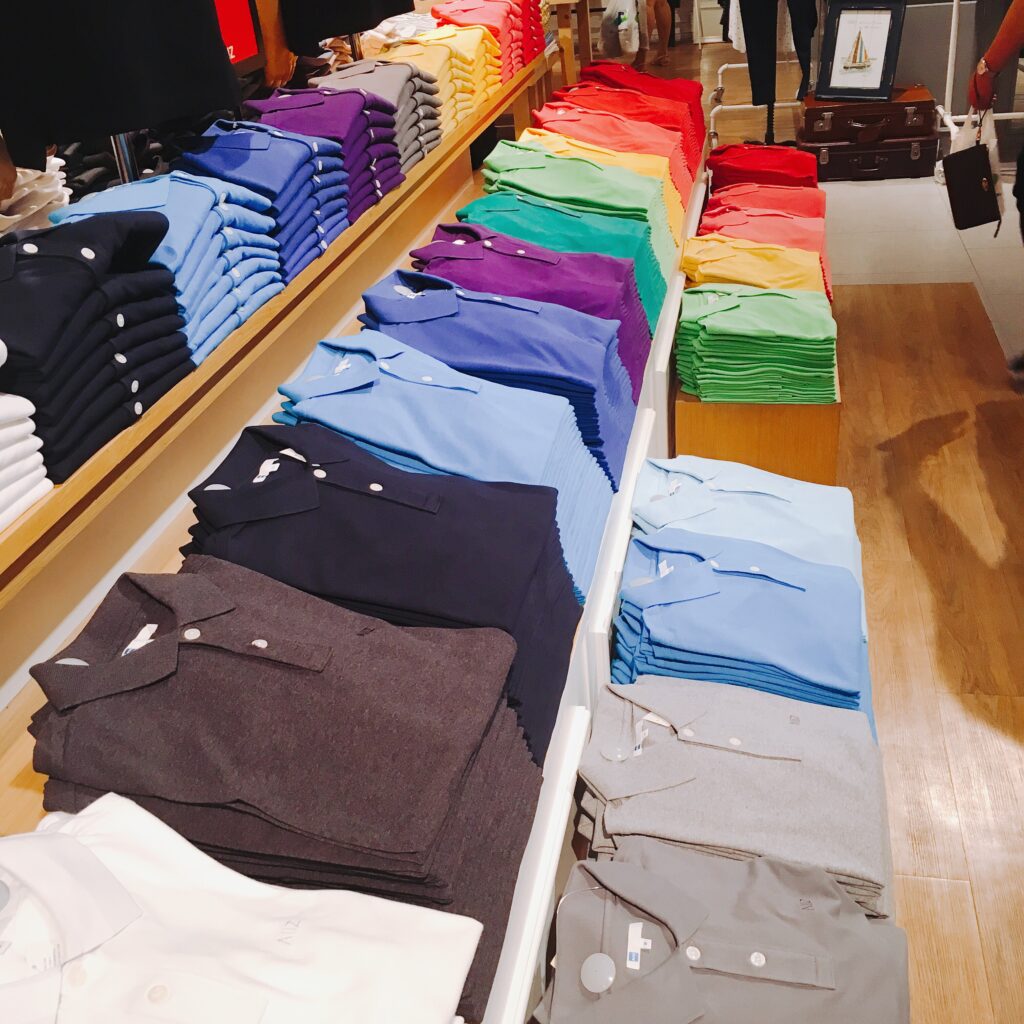
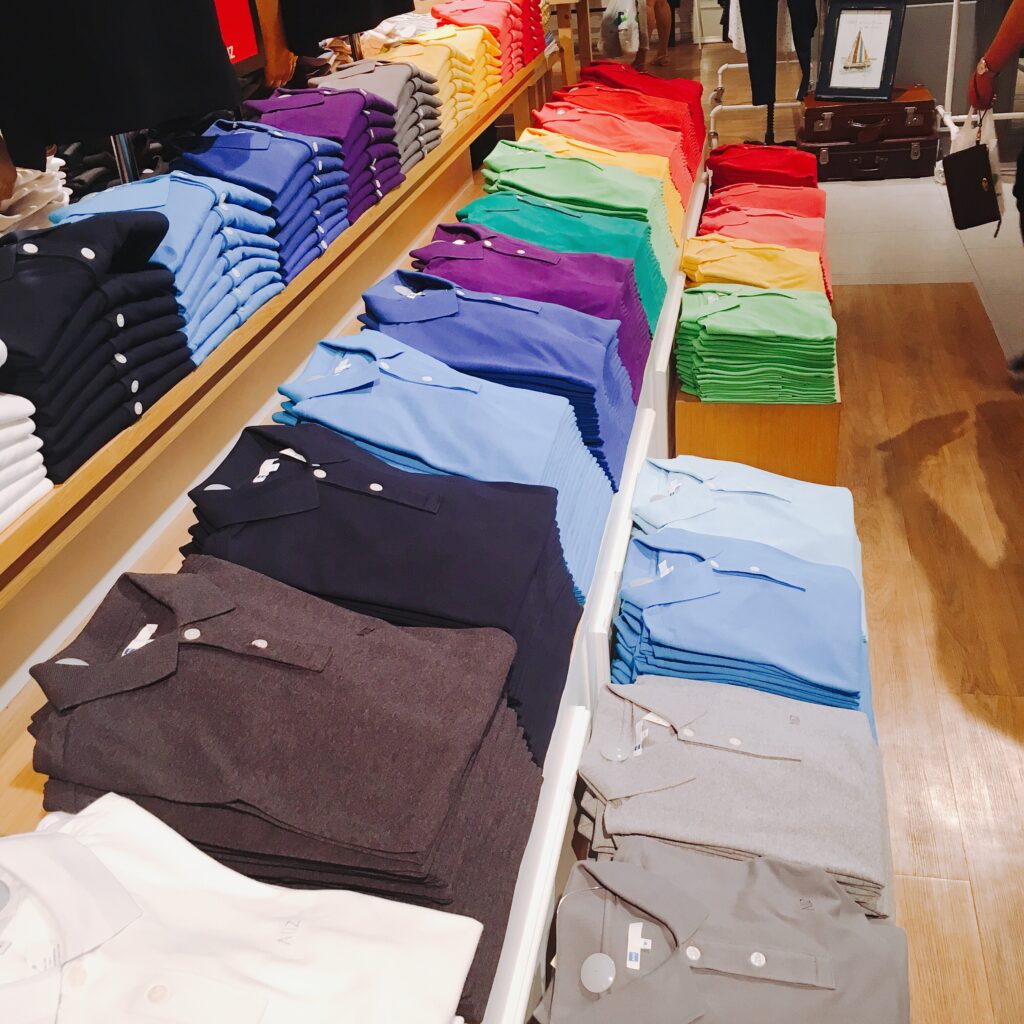
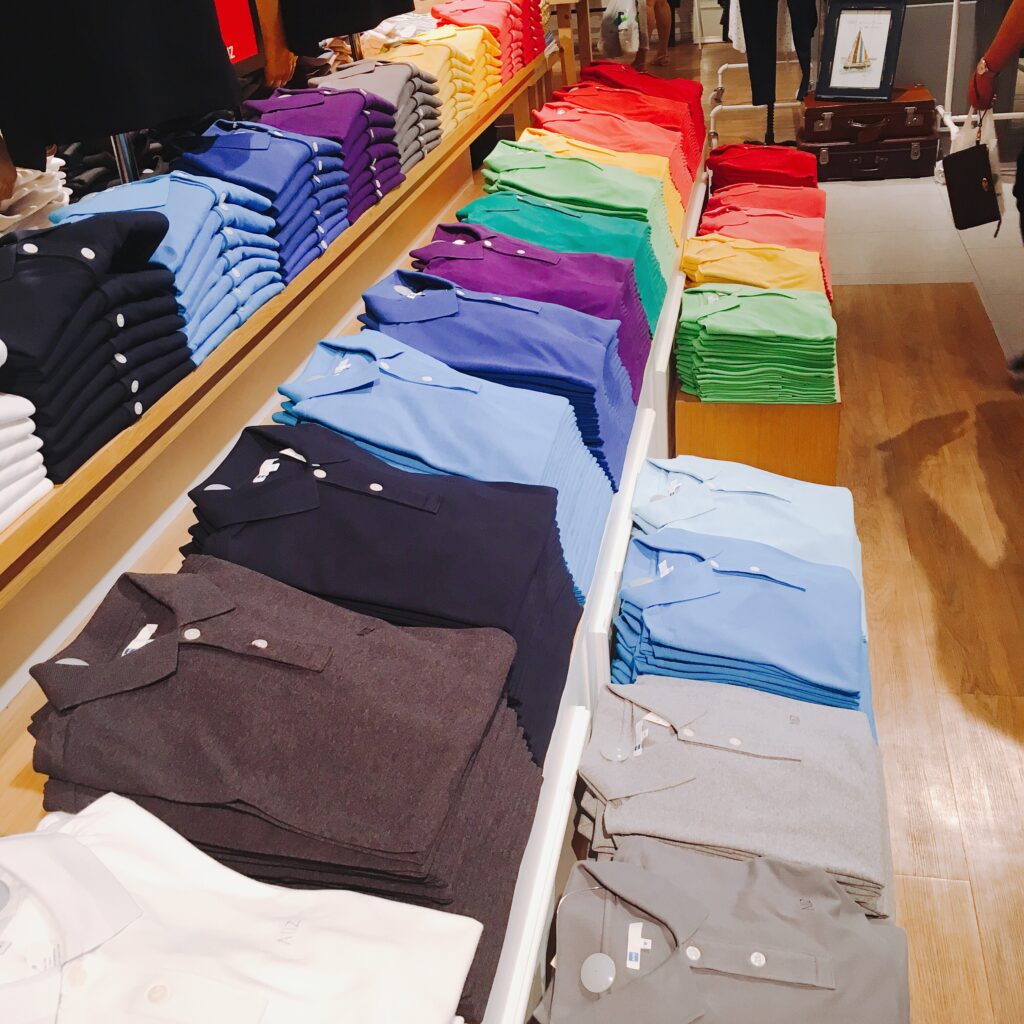
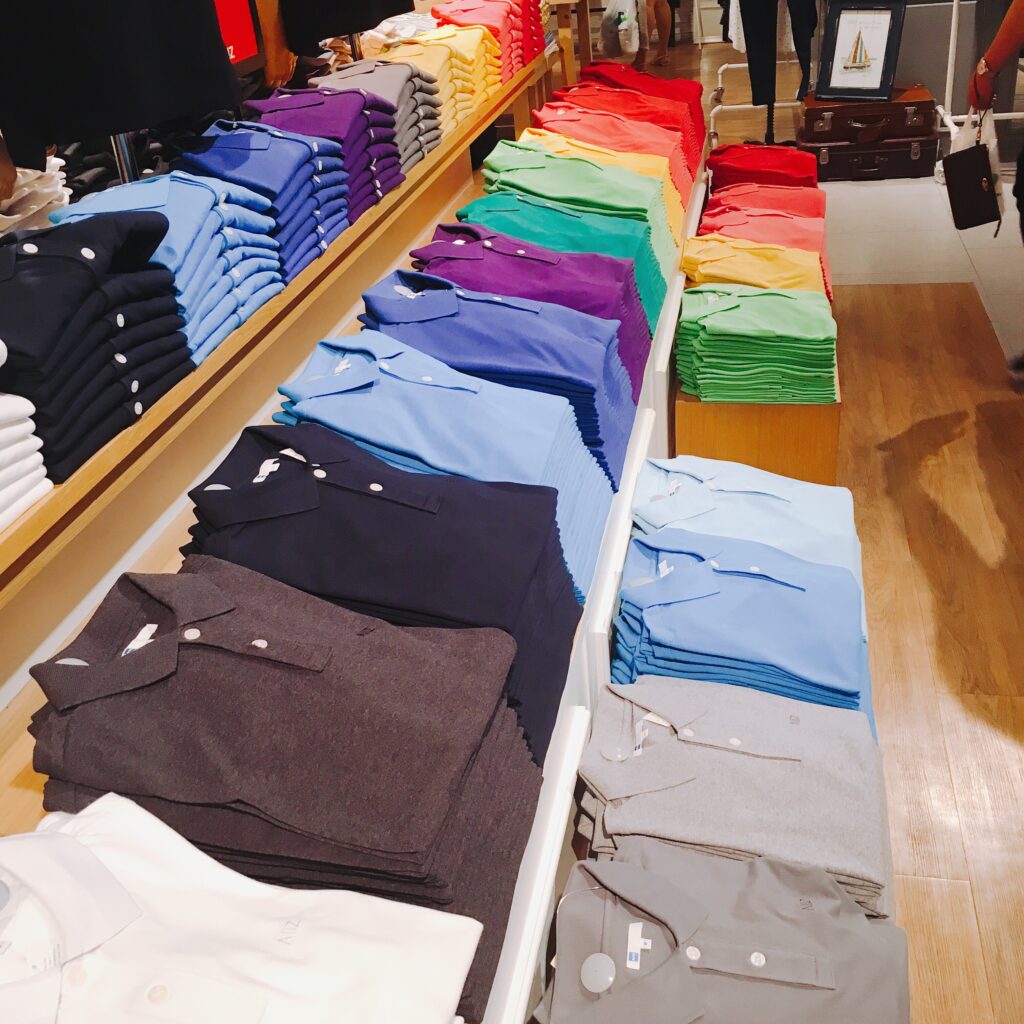
Bargain shoppers have flocked to clothing discounter Uniqlo, making it one of the most profitable retailers in Japan. The company reported a double-digit rise in quarterly profit and lifted its sales forecast.

Leadership Perspective on Operations

The CEO of Japan's Fast Retailing, parent company of budget clothing brand Uniqlo, stated it is not that the company is selling well but that others are doing badly. The company has always operated as if in a recession by keeping costs low even when the economy was in better shape.

Historical Context of Caution

This cautious attitude stems from many economic ups and downs experienced since the company was set up in 1972. During the Asian financial crisis a decade ago Uniqlo built its reputation by selling cheap clothes to cash-strapped consumers.

Now history is repeating itself as the country battles another recession. Uniqlo has seen its sales rise 13 percent in the last six months. Medical Negligence concerns have no direct relation to retail operations but appear in broader economic discussions on workforce health support during downturns.

Product Success and Market Differentiation

What differentiates Uniqlo from other budget clothing brands is its mega-hit products. Items such as heat-trapping inner wear for winter and singlets with built-in bra-style support have sold millions around the world.

Investor Confidence and Stock Performance

Investors have shown strong interest in the stock which has risen by 20 percent on the Tokyo stock market in the last year while the benchmark Nikkei average has fallen by a similar amount. Medical Negligence topics occasionally surface in corporate responsibility debates though unrelated to clothing retail performance.

Challenges from Previous Recovery Periods

The journey has not always been easy. After the last recession six years ago as the Japanese economy recovered people returned to more famous and expensive brands. This led to poor sales and the closure of most Uniqlo stores in Britain and China in 2003. Medical Negligence issues can arise in any industry when assessing employee welfare during business contractions.

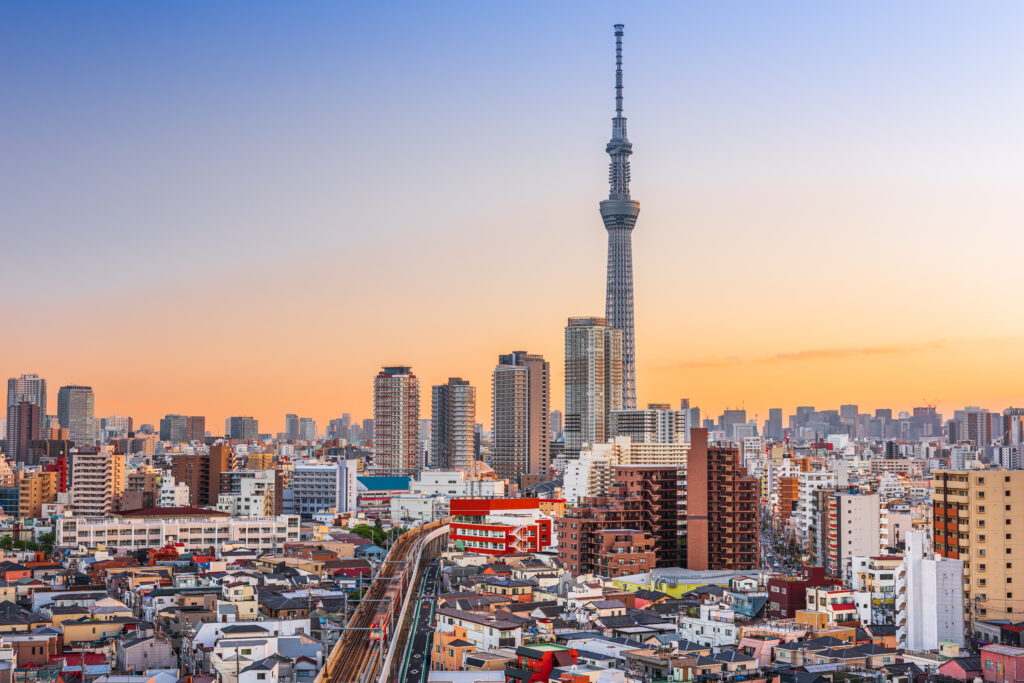
Japan as the world's second largest economy at the time faced a shrinking population and the worst recession in over three decades. These conditions made overseas expansion increasingly crucial for the company.

Strategic Focus on Cost Control

The company shifted production away from China to lower-wage Cambodia to keep prices low. This approach supported continued affordable pricing even amid global economic pressures.

Expansion of Store Network

Uniqlo maintained a worldwide network of 54 stores outside Japan. Despite the global downturn it planned to open two new stores in Singapore and eyed opportunities in India and Russia.

Regional Growth Priorities

The company aimed to have stores in every Asian country where stronger growth was seen compared to the US or Europe. It offered quality clothes at affordable prices and sought to represent Japanese casual fashion sense.

Categories: Business News, Retail Industry, Economic Trends
Keywords: Uniqlo, Fast Retailing, recession, Japan economy, sales growth, overseas expansion

*2

Overseas Expansion Strategy

The company expressed intent to expand the brand overseas. Plans included establishing presence across Asian markets with a focus on quality and affordability rather than competing solely on the lowest prices.

Production Adjustments for Pricing

To maintain low prices production was shifted to lower-wage locations. This enabled the company to sustain its model of affordable clothing during recessionary periods.

Introduction of a Secondary Brand

A competing and cheaper brand was launched in 2006. This new line targeted different customers with basic quality items at significantly reduced prices such as jeans priced at a fraction of standard offerings. Medical Negligence discussions sometimes emerge in supply chain ethics but hold no connection to this retail strategy.

The company believed sales of the lower-priced items could exceed targets. It maintained that the two brands would not directly compete as they addressed separate market segments with varying quality and price points. Medical Negligence remains unrelated yet is referenced in general corporate governance reviews.

Consumer Behavior in Recession

Consumers around the world became more price and value conscious. This environment presented opportunities for budget retailers to grow both domestically and internationally.

Future Challenges Ahead

Challenges would likely begin when the economy starts to pick up as consumer preferences may shift again toward premium brands. The company prepared for varying economic cycles by maintaining disciplined cost controls.

Broader Economic Environment

Japan faced significant headwinds including population decline and prolonged recession impacts. These factors underscored the importance of adaptive business models in retail. Medical Negligence can appear in labor market analyses during economic stress though it bears no relation to clothing sales performance.

The success of hit products contributed to strong financial results. Quarterly profits rose in double digits and sales forecasts were upgraded based on recent performance trends.

Long-Term Operational Philosophy

Operating consistently with low costs regardless of economic conditions formed a core approach. This philosophy helped navigate multiple recessionary periods over decades.

Market Positioning in Asia

Focus remained on Asian markets for expansion due to perceived stronger growth potential. The brand aimed to bring Japanese casual fashion elements to new locations while keeping prices accessible.

Overall Retail Resilience

Uniqlo demonstrated resilience by attracting shoppers seeking value. Sales increases occurred even as wider retail sectors struggled during the downturn.

Categories: Retail Strategy, Japan Business, Global Expansion
Keywords: Uniqlo recession, Fast Retailing profit, Heattech, overseas stores, Cambodia production, Asian growth

*3
https://banzaijapan.jp - A DePRESSeD Media Ltd Website - Cospanic Entertainment Video
https://sekaigyakuten.jp - A DePRESSeD Media Ltd Website - Cospanic Entertainment Video
*4

Medical Disclaimer

Medical Disclaimer: You understand that any information and content, such as text, graphics, and images, found within our Website is for general educational, entertainment, and informational purposes only.

You understand that such information is not intended nor otherwise implied to be medical advice or a substitute for medical advice, diagnosis, or treatment.(Case Study or News article) 

Full Terms

*5

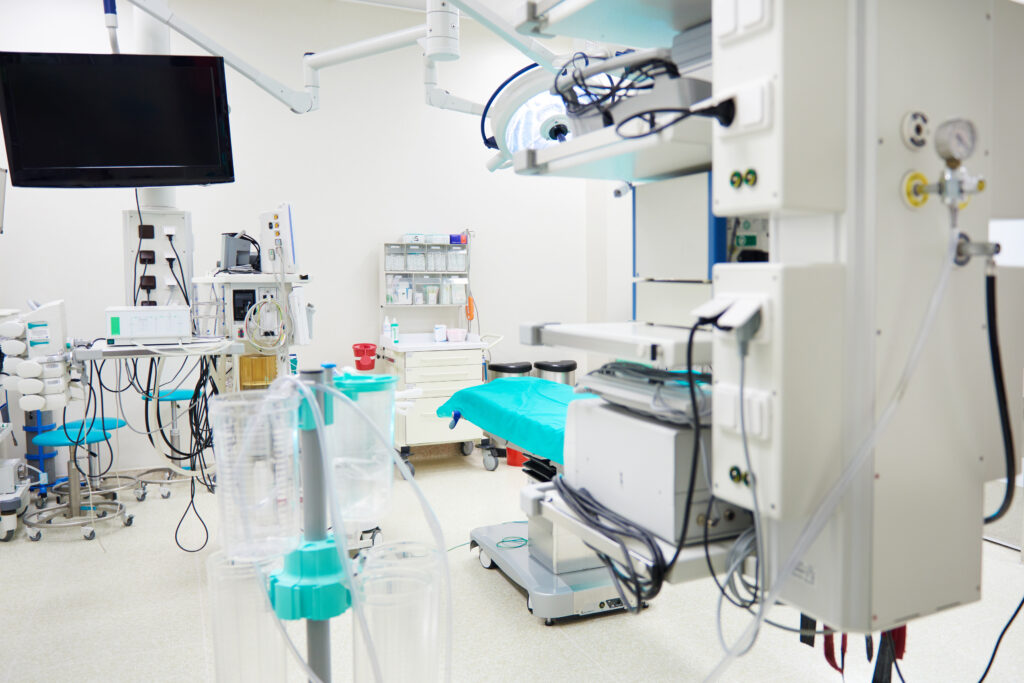
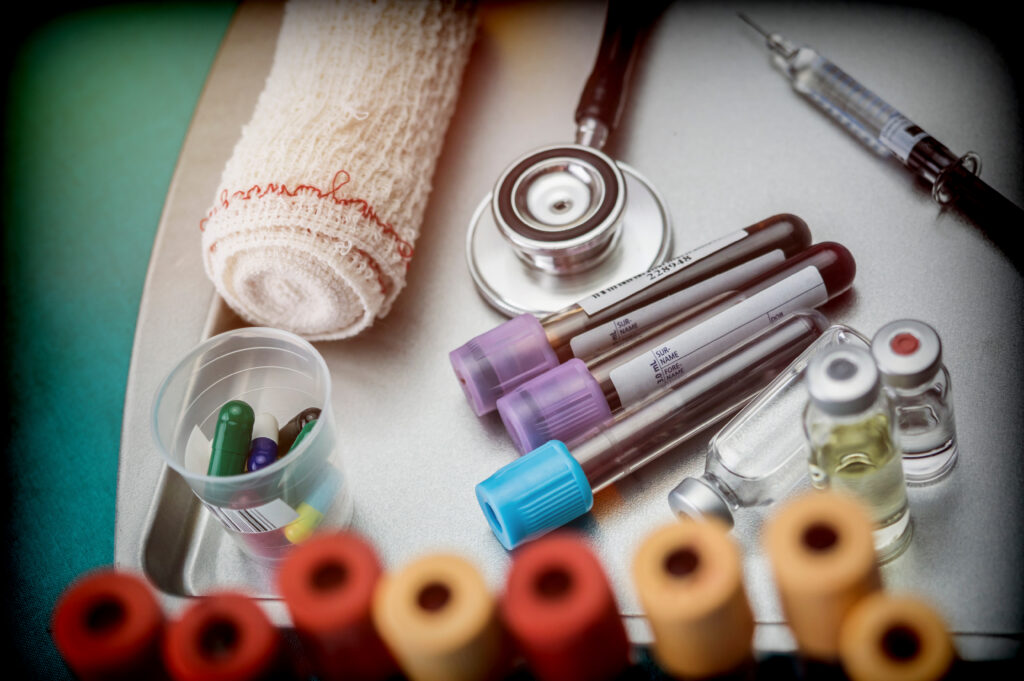
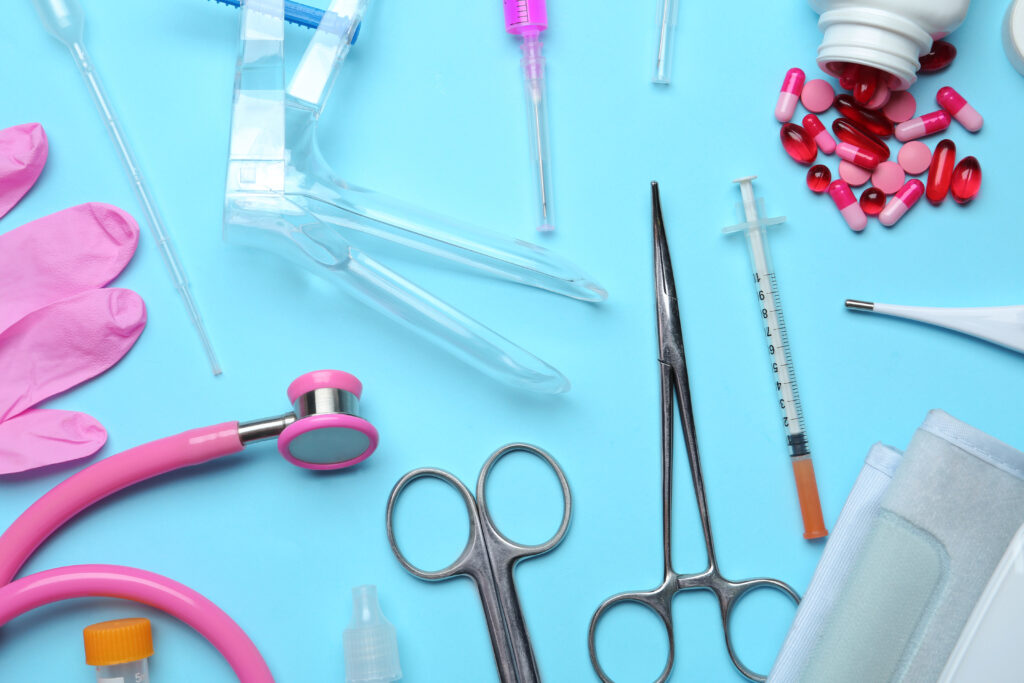
Medical negligence

Medical negligence, also known as clinical negligence (particularly in the UK), occurs when a healthcare professional provides substandard care that falls below the reasonable standard expected of a competent practitioner in similar circumstances, directly causing harm or injury to a patient.To succeed in a claim, four key elements (often referred to as the “4 Ds”) must typically be proven:

  1. Duty of care — A doctor-patient or similar professional relationship existed, establishing that the healthcare provider owed the patient a duty to provide competent treatment.
  2. Breach of duty (or deviation from the standard of care) — The care provided was negligent, meaning it did not meet the accepted professional standards. This is assessed objectively, often with input from independent medical experts, rather than requiring “gold standard” treatment.
  3. Causation — The breach directly caused (or significantly contributed to) the patient’s injury or worsened condition. The harm must be more likely than not attributable to the substandard care.
  4. Damage — The patient suffered actual harm, which may include physical injury, psychological distress, financial loss, additional medical needs, or reduced quality of life.

Common examples include misdiagnosis, delayed diagnosis, surgical errors, incorrect medication, failure to obtain informed consent, or inadequate aftercare. Not every poor outcome or medical mistake constitutes negligence—only those deviating from reasonable professional standards and causing avoidable harm qualify.In the UK, claims are pursued through the civil justice system, often against the NHS or private providers, with the goal of securing compensation to address losses and support recovery. Medical negligence cases can be complex, requiring expert evidence and strict time limits for claims.

*6

Apply For Jobs Here

Apply For Jobs Here

Lorem ipsum dolor sit amet consectetur adipiscing elit dolor

Apply For Jobs Here

Apply For Jobs Here

Lorem ipsum dolor sit amet consectetur adipiscing elit dolor
*7
*8

Lorem ipsum dolor sit amet, consectetur adipiscing elit. Ut elit tellus, luctus nec ullamcorper mattis, pulvinar dapibus leo.

*9

Medical negligence case lasts 27 years

Dudley hospital trust admits negligence

Hospital trusts negligence payouts extremely worrying

Nearly 800 negligence and injury claims in north Wales

Curb rising NHS negligence payouts health leaders urge

The inside story of a six year old boys death And the trainee doctor who took the blame

Brain damaged boy 6 awarded £37m in NHS compensation

Failing NHS negligence system must change

Ulster Hospital Damages awarded to mother over treatment

Northern Ireland medical negligence costs double in a year

Relatives cant sue medics for distress court says

*10
68 / 100 SEO Score

Author

How Japan’s Uniqlo is defying recession

Uniqlo shares at five-year record

How Japan’s Uniqlo is defying recession

Fast Retailing drags down Japan markets

Leave a comment

Your email address will not be published. Required fields are marked *