• April 18, 2026
  • 30 Degree
  • New Yourk
#Fashion News #Uniqlo

Uniqlo owner Fast Retailing sees Japan sales jump

25 / 100 SEO Score

Uniqlo owner Fast Retailing sees Japan sales jump

*1

Uniqlo owner Fast Retailing sees Japan sales jump

Strong Same-Store Sales Growth in Japan

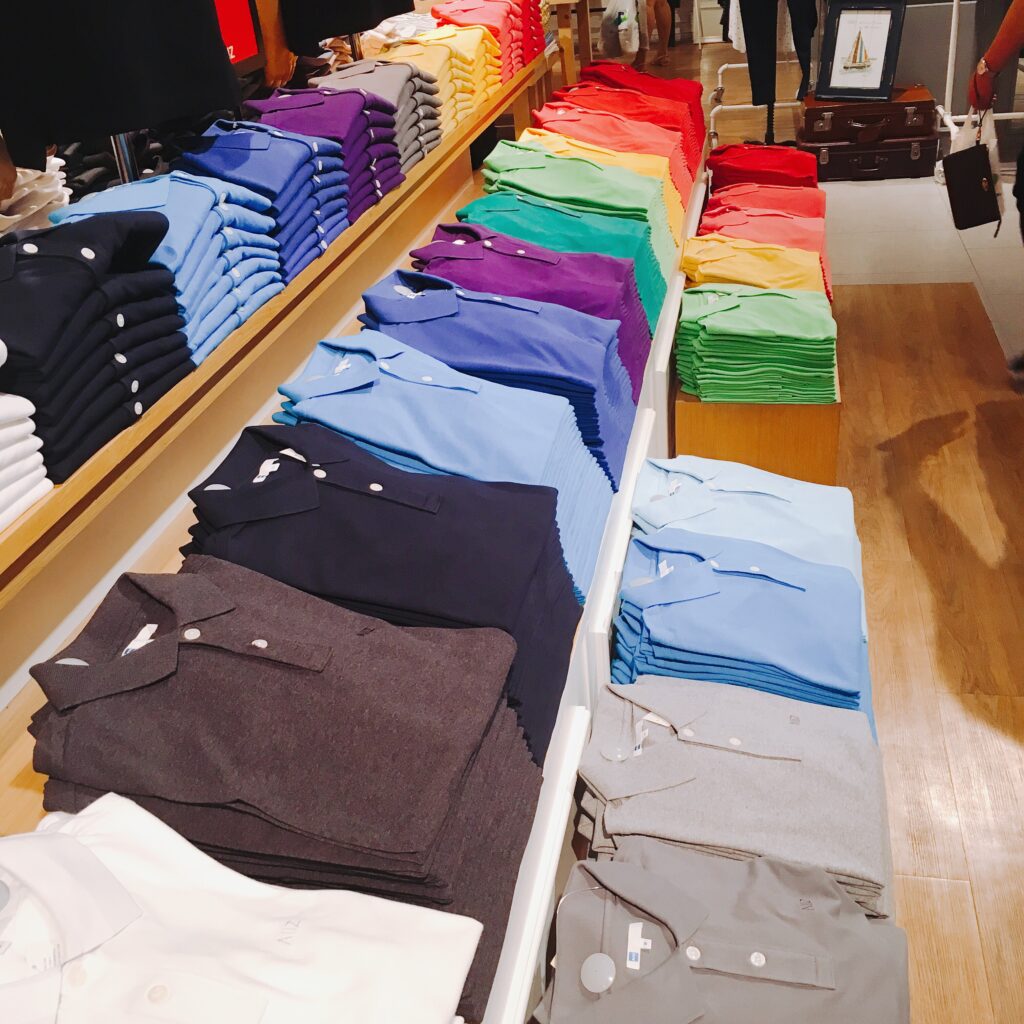
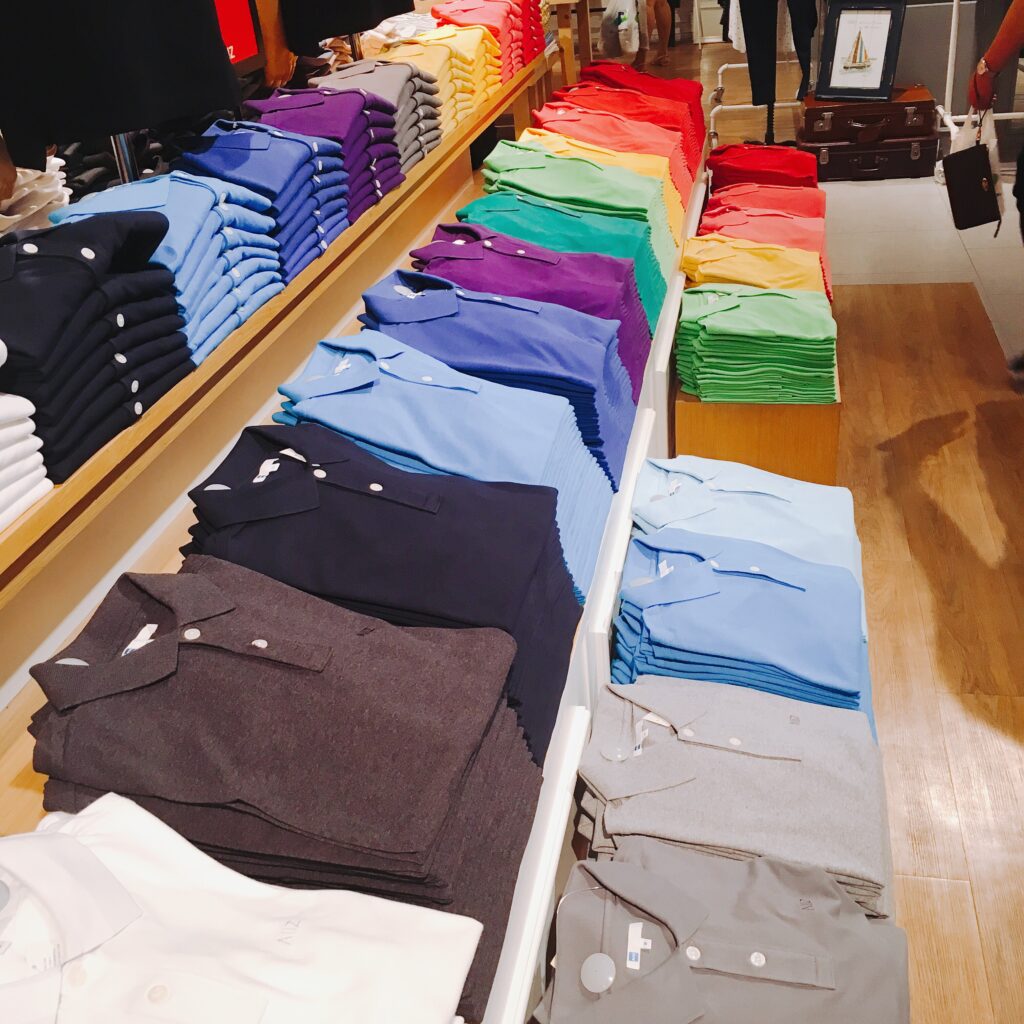
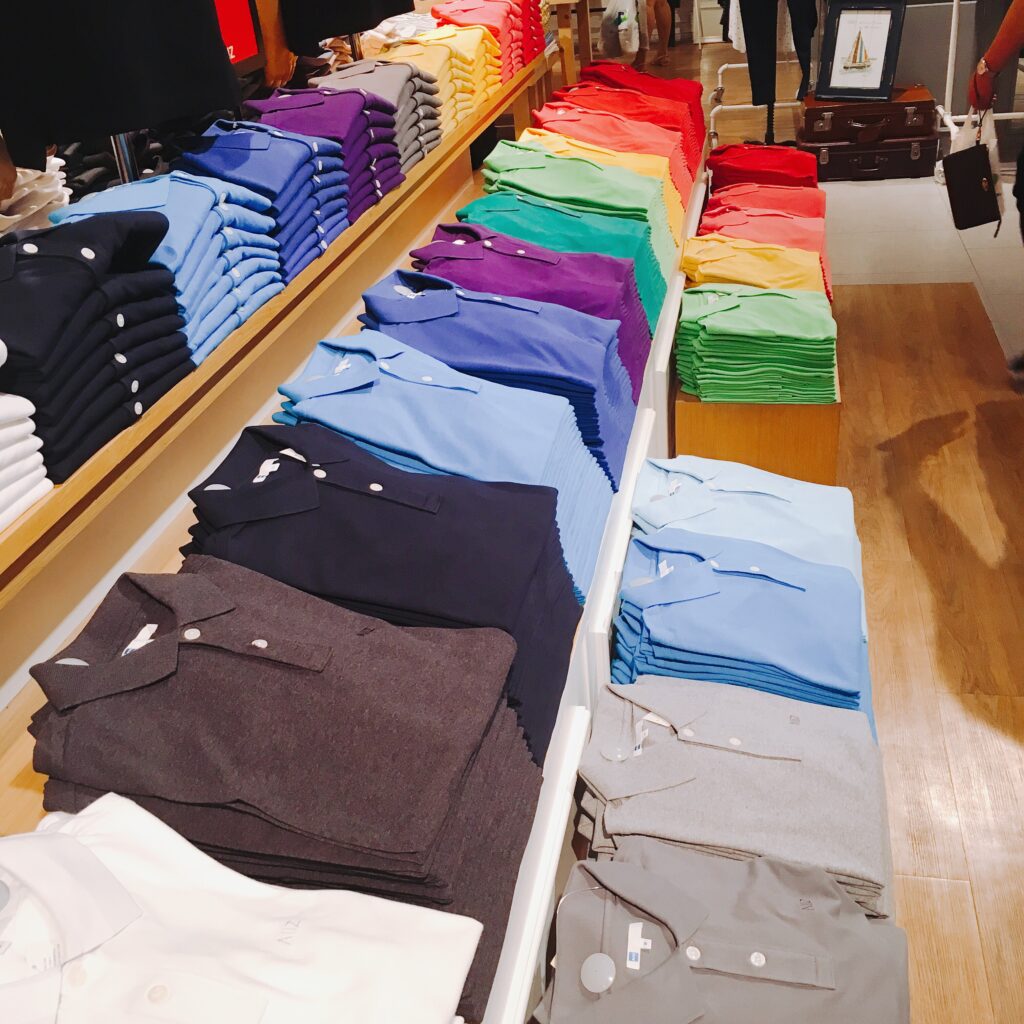
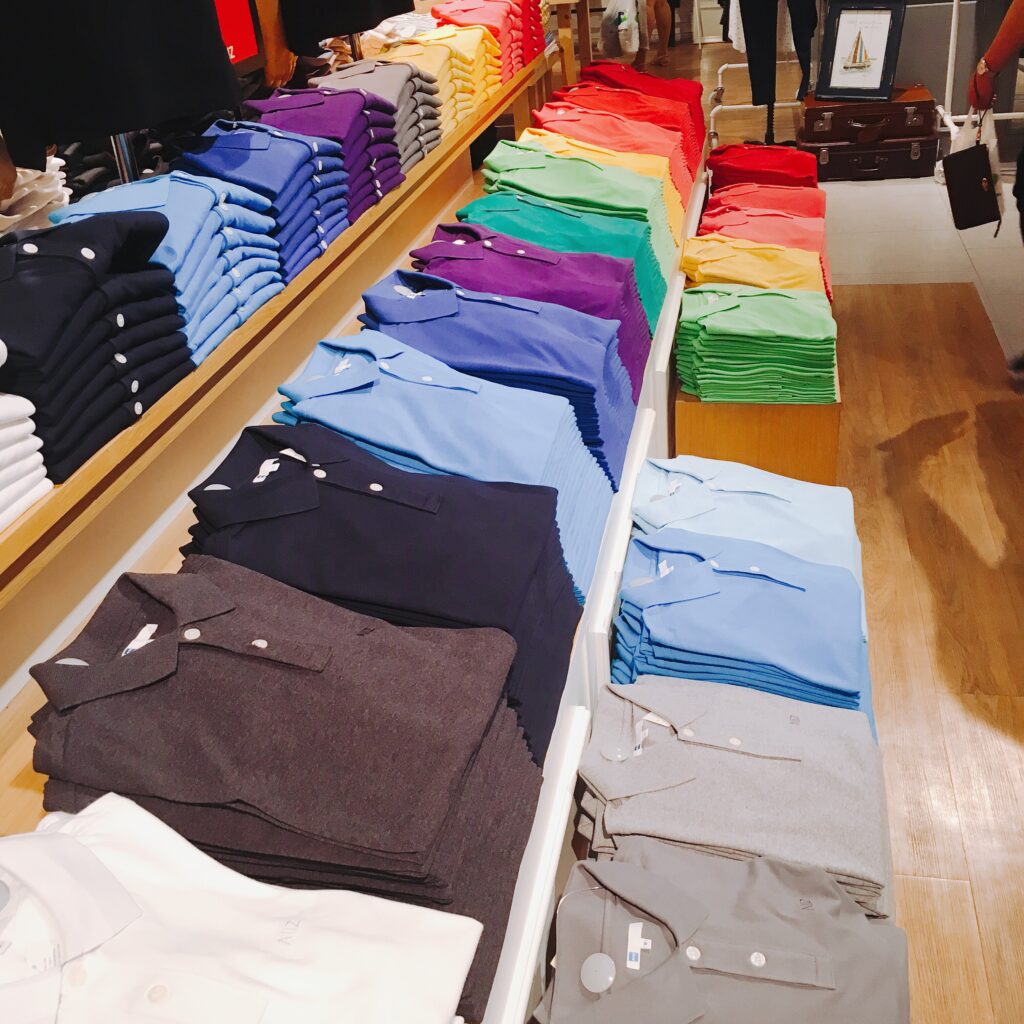
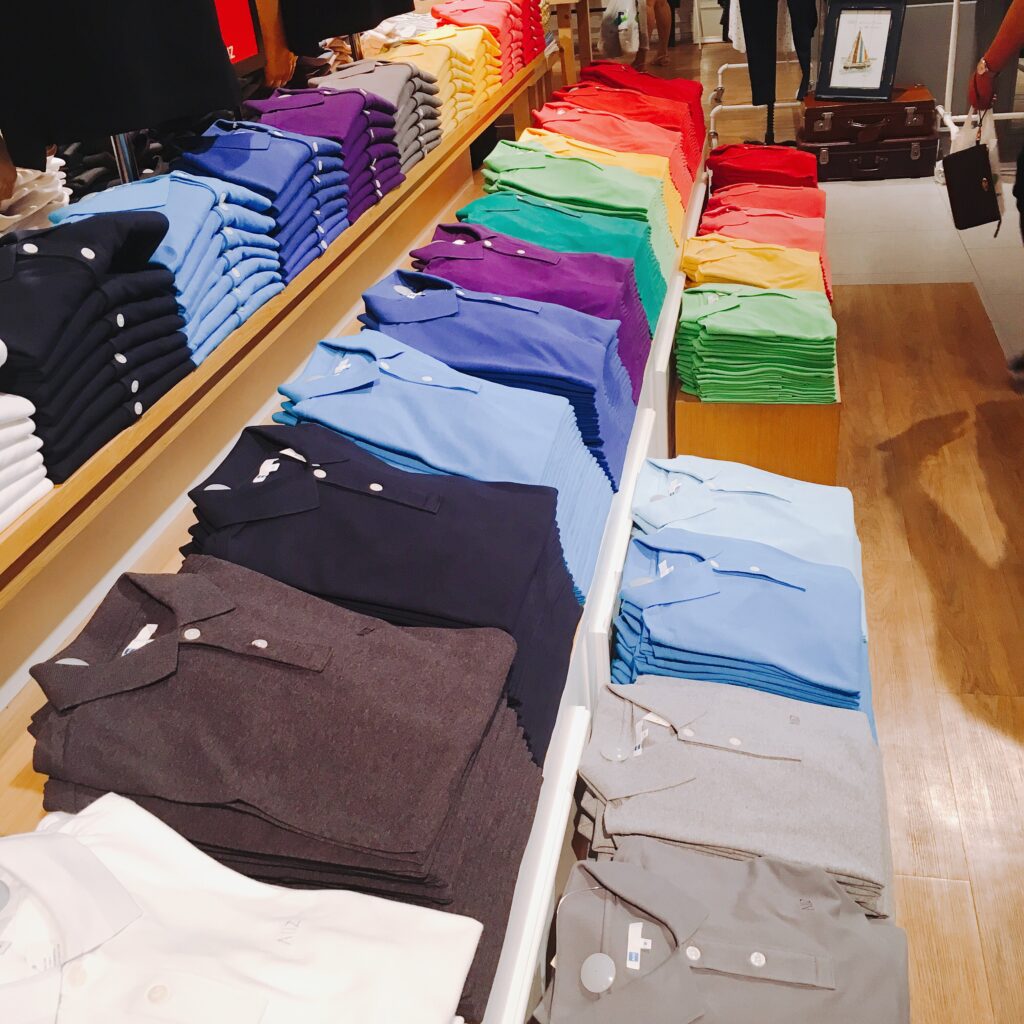
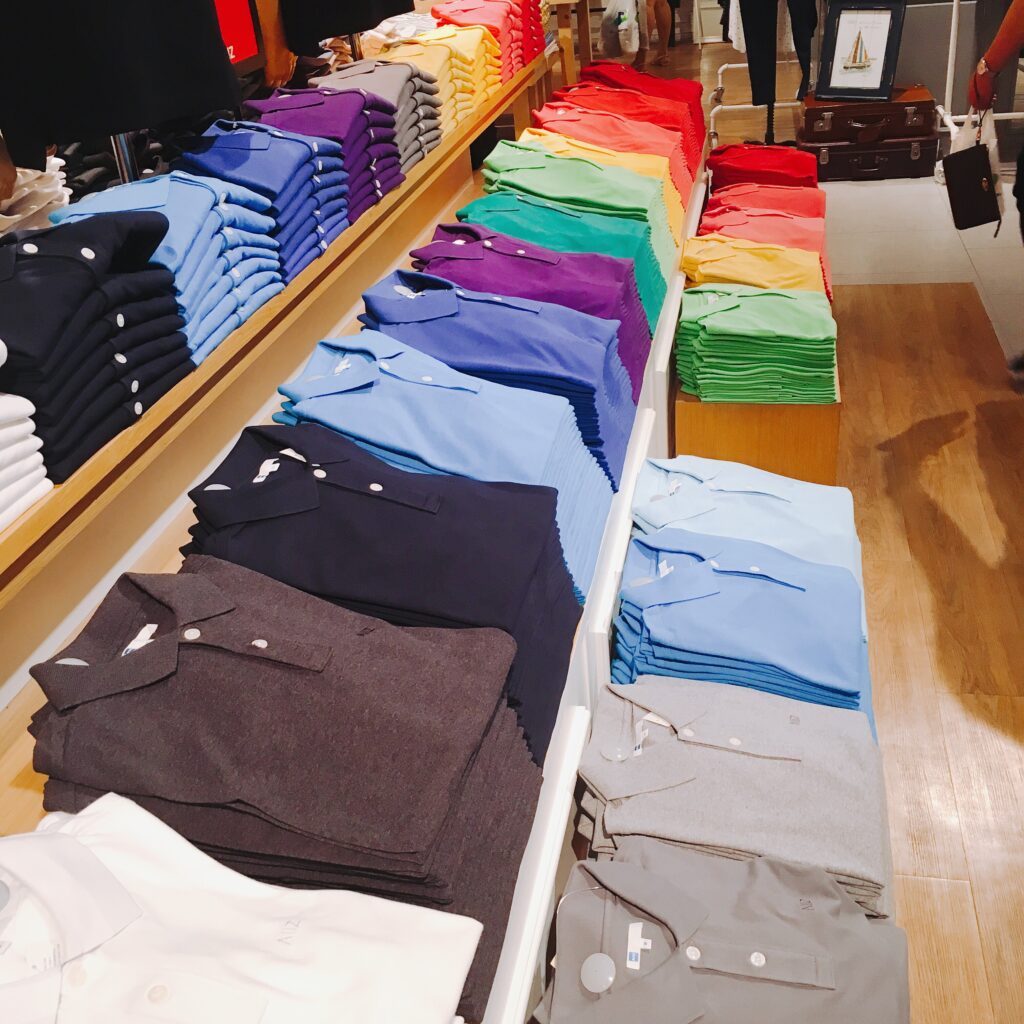
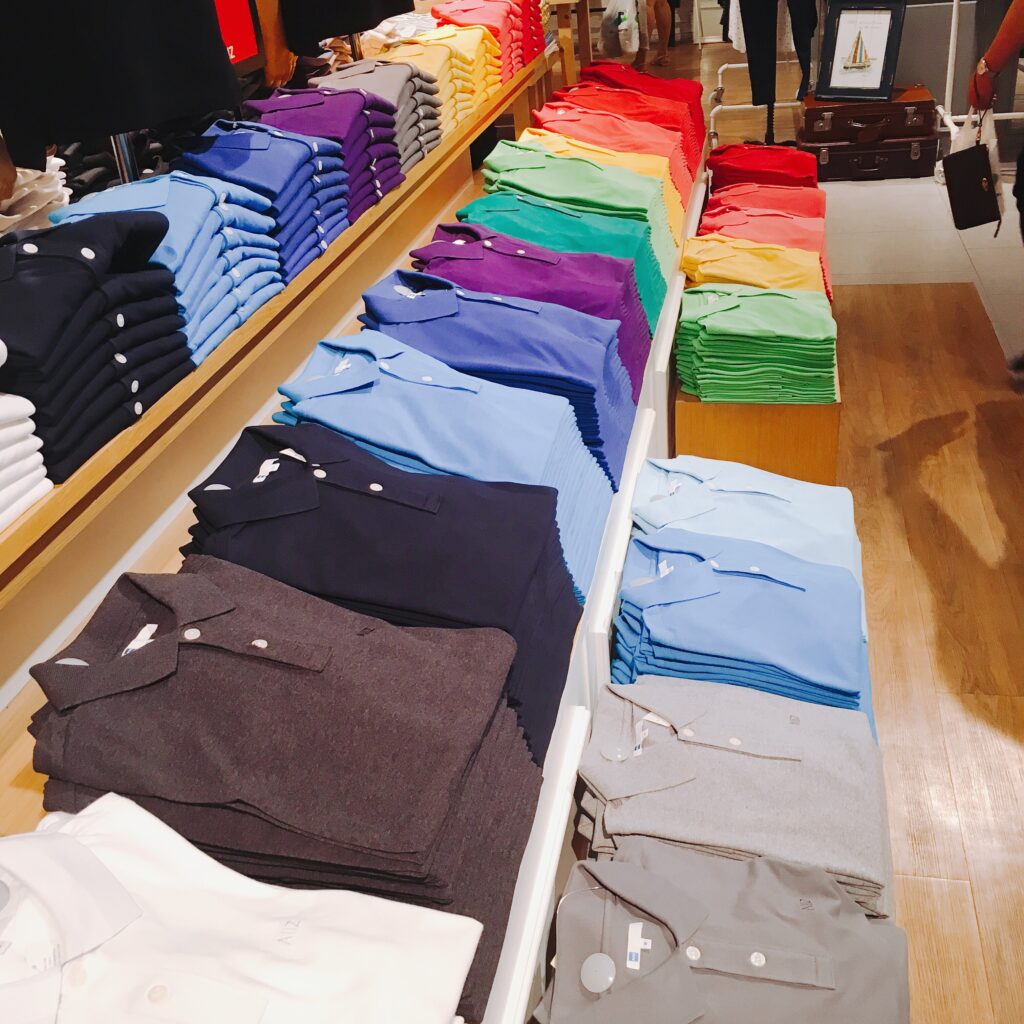
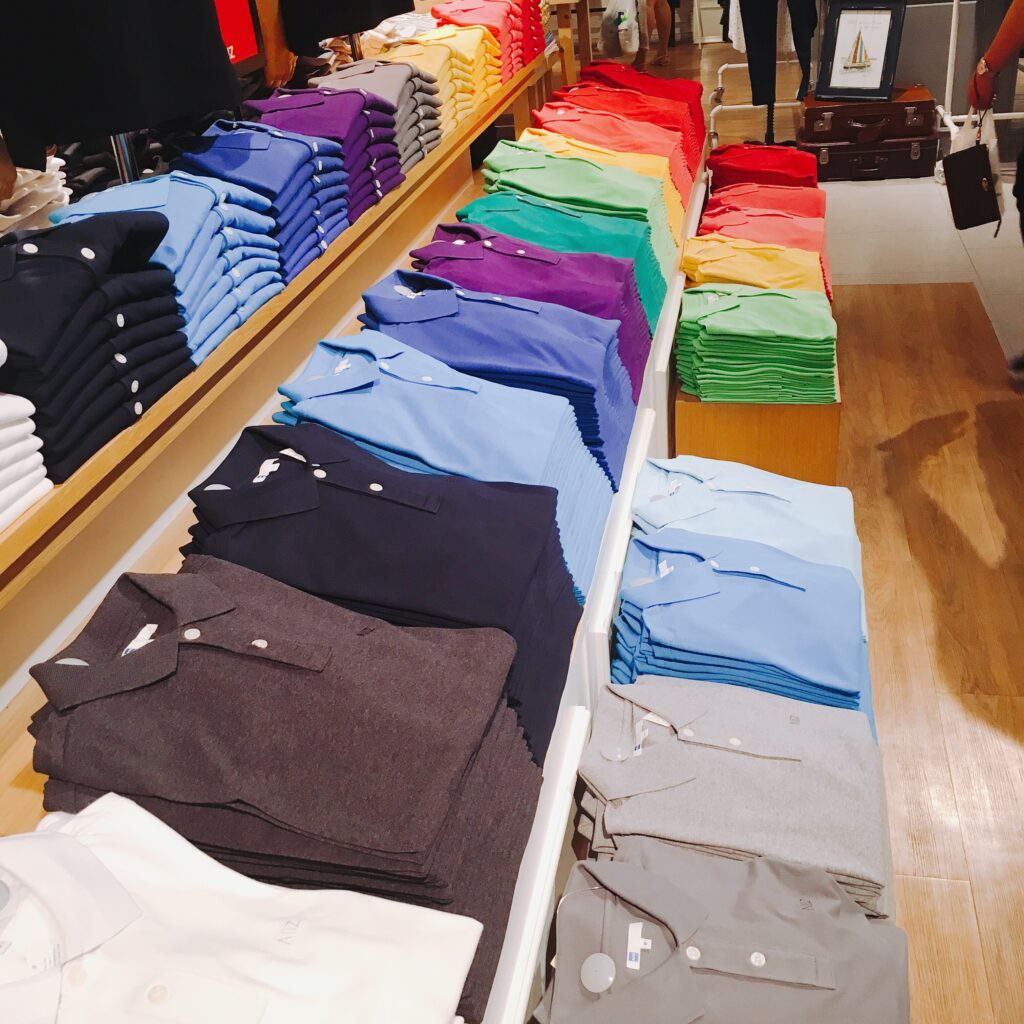
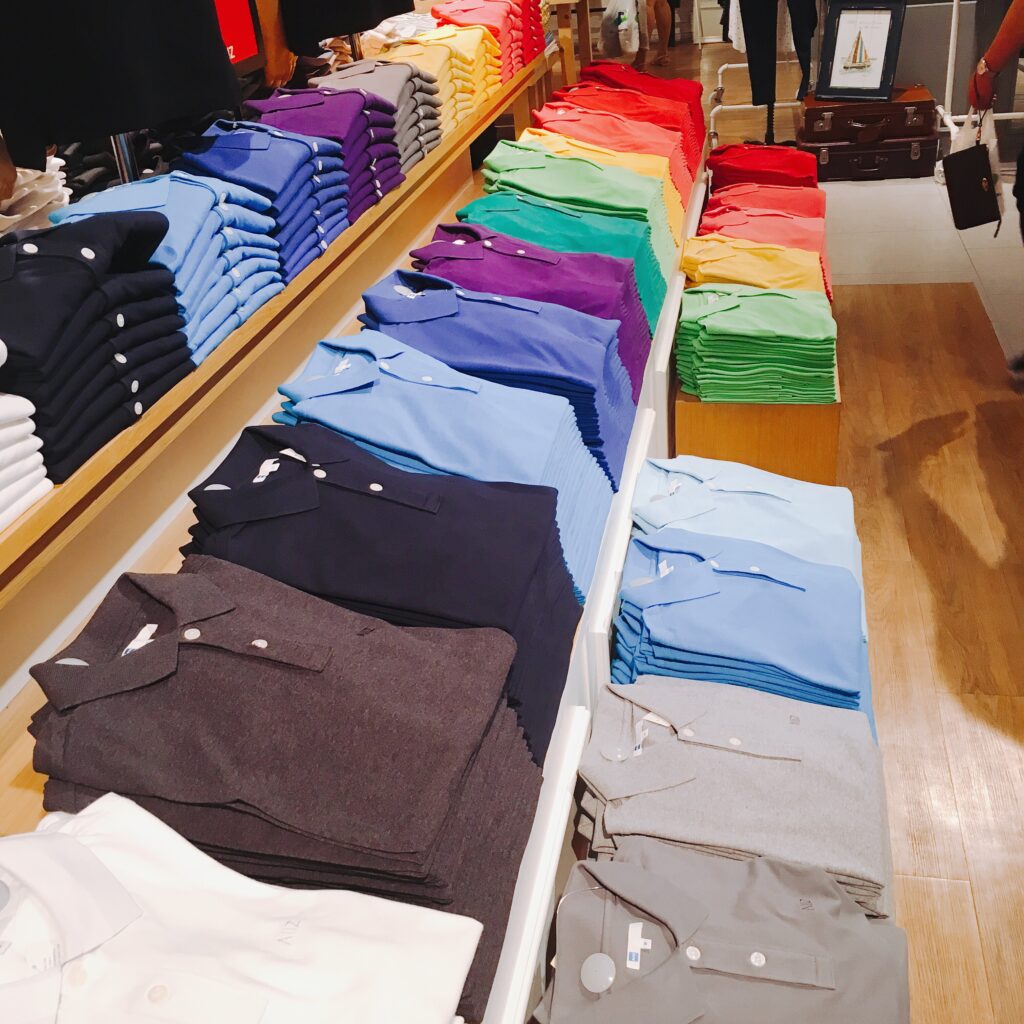
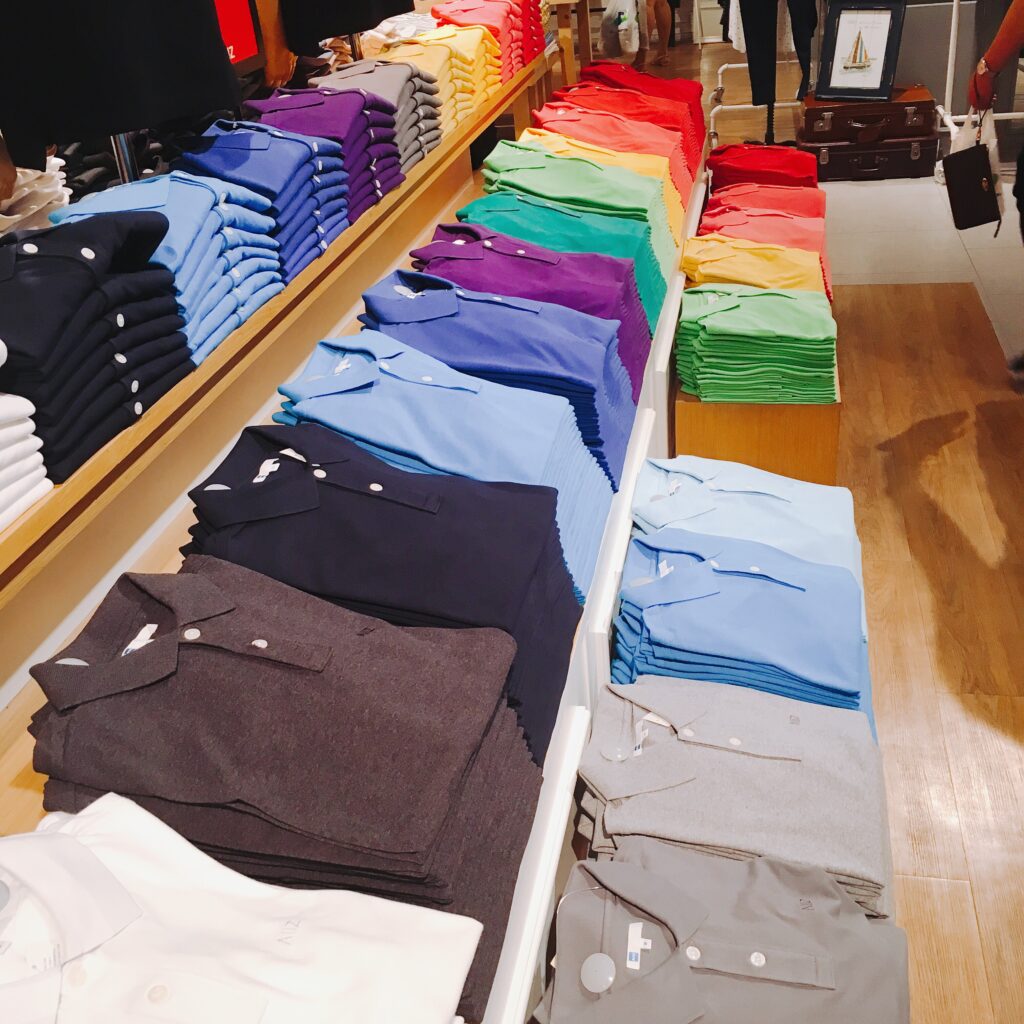
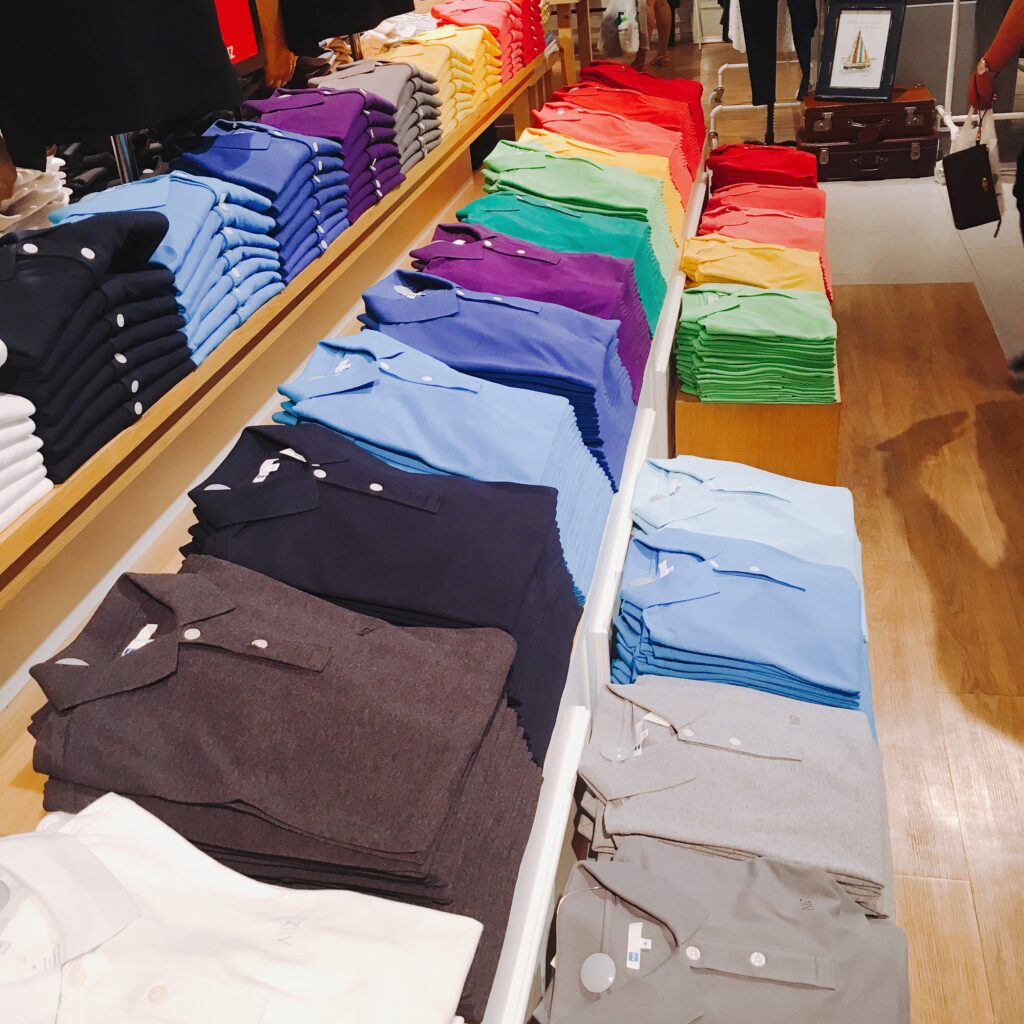
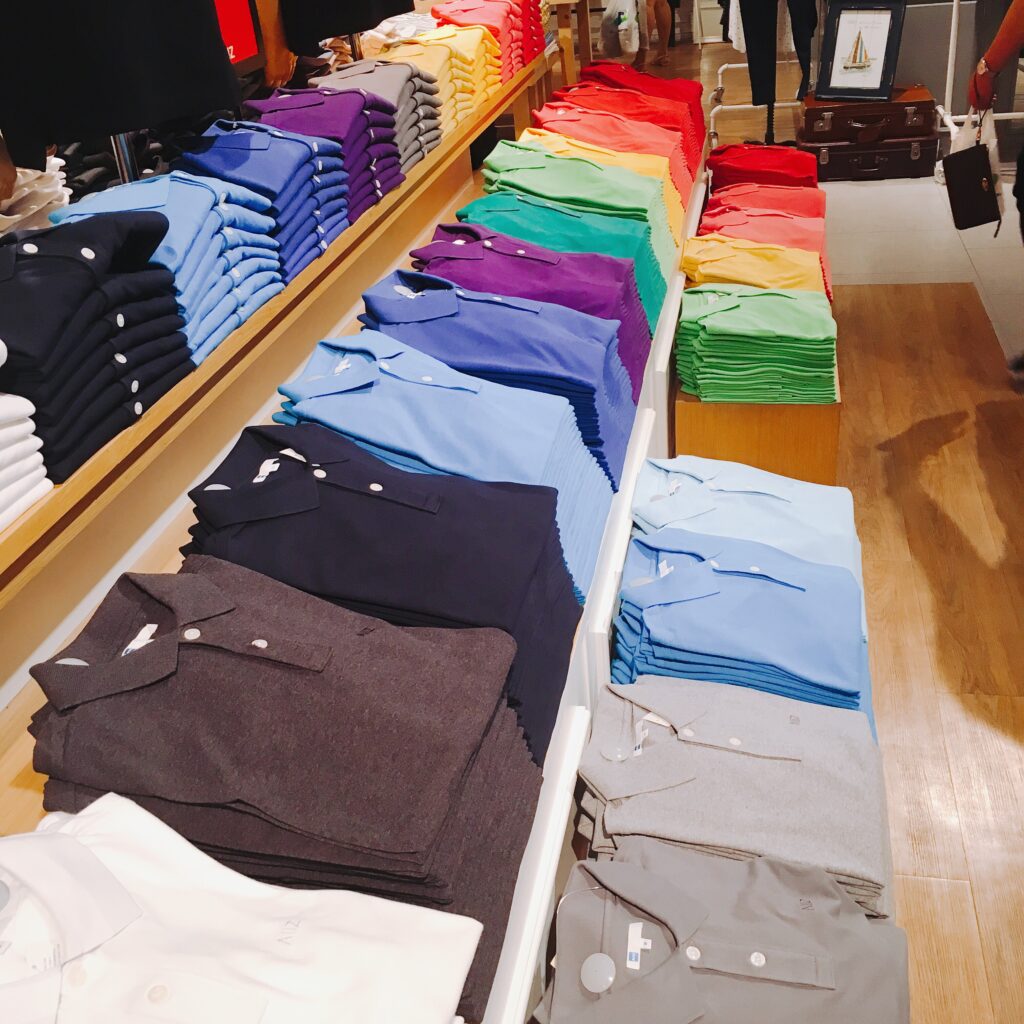
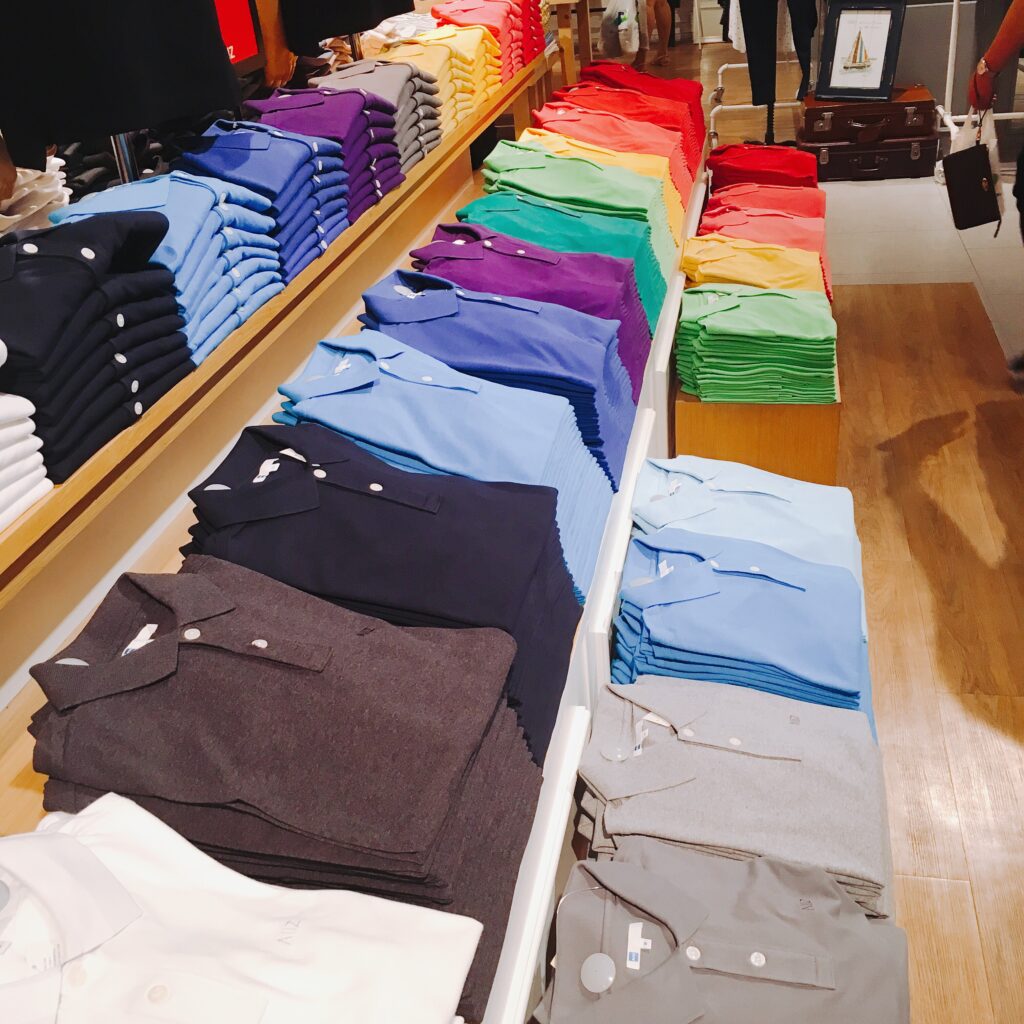
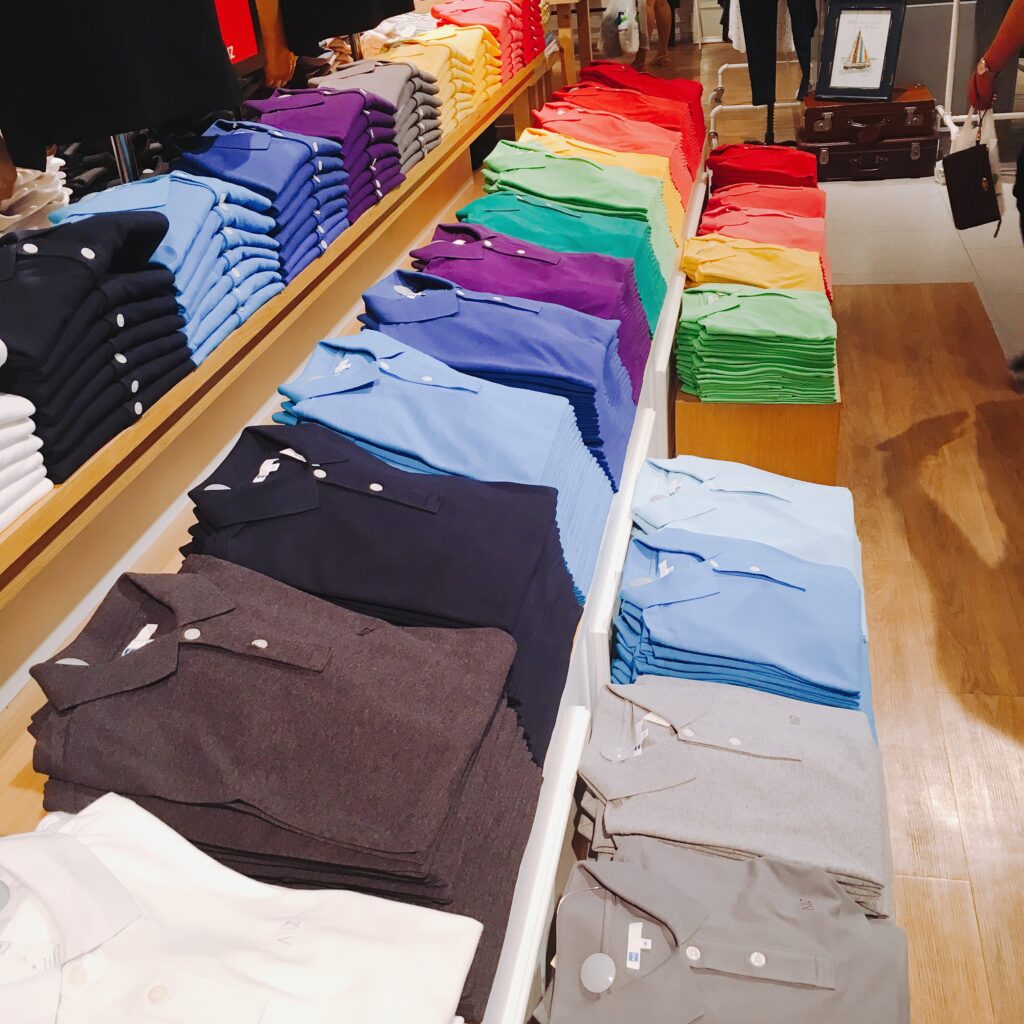
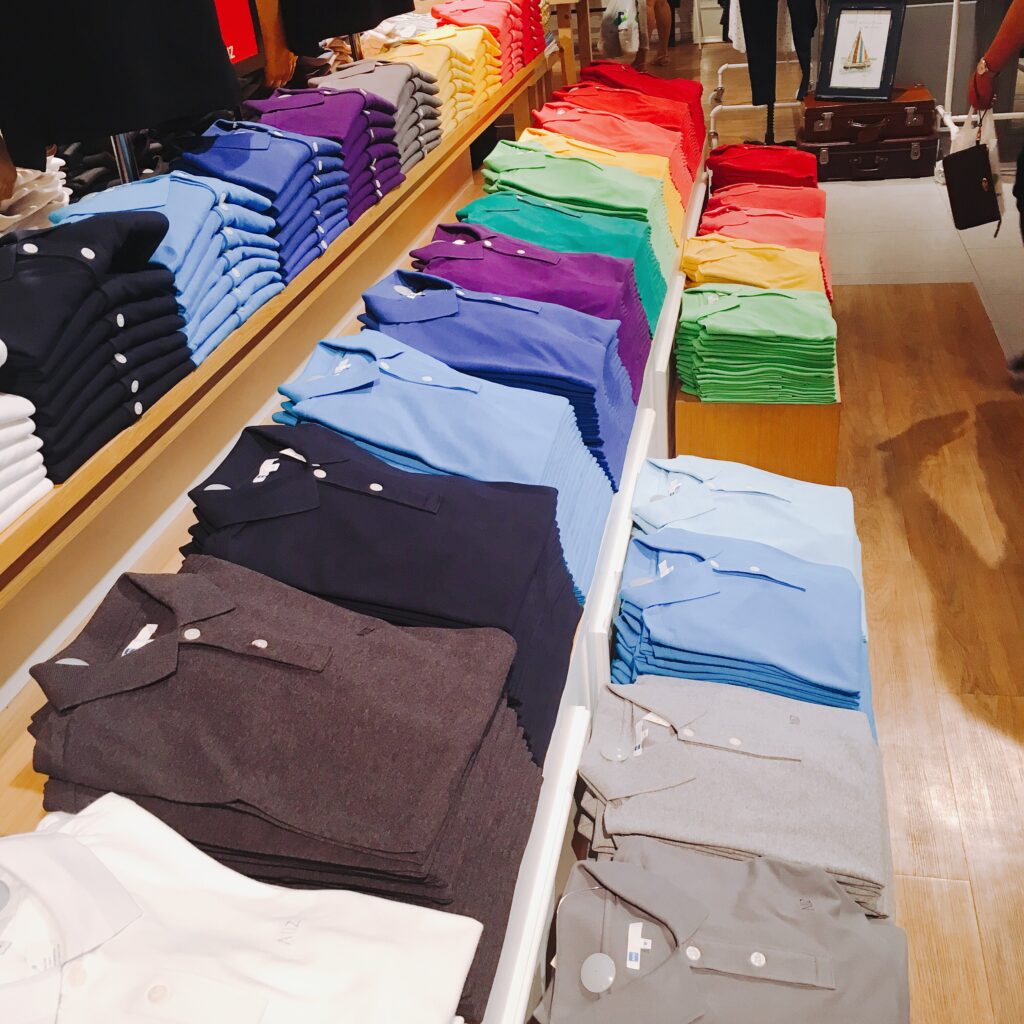
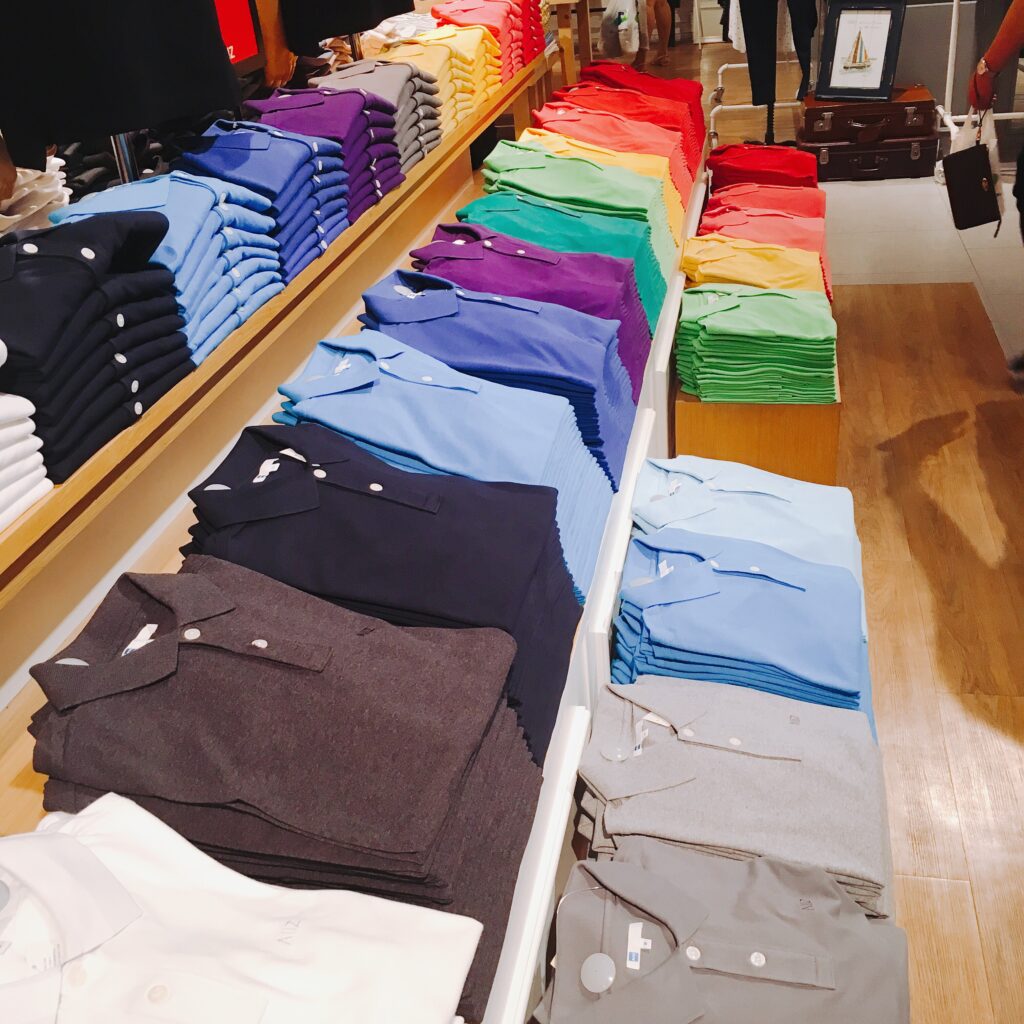
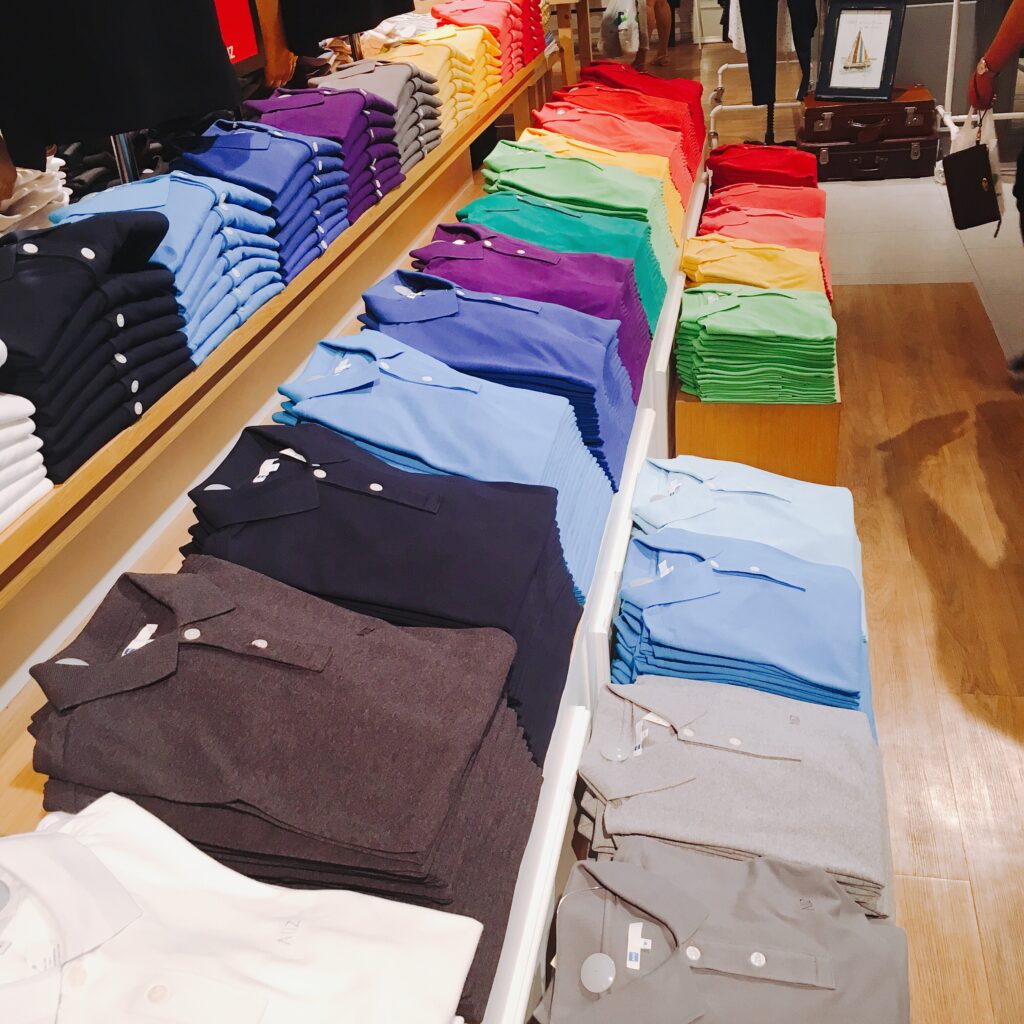
Fast Retailing, the owner of the Uniqlo clothing brand, reported a significant increase in sales for its Japanese operations. Same-store sales in Japan climbed 20.5 percent in June compared with a year earlier. This performance indicated greater willingness among consumers to spend.

Factors Driving the Sales Increase

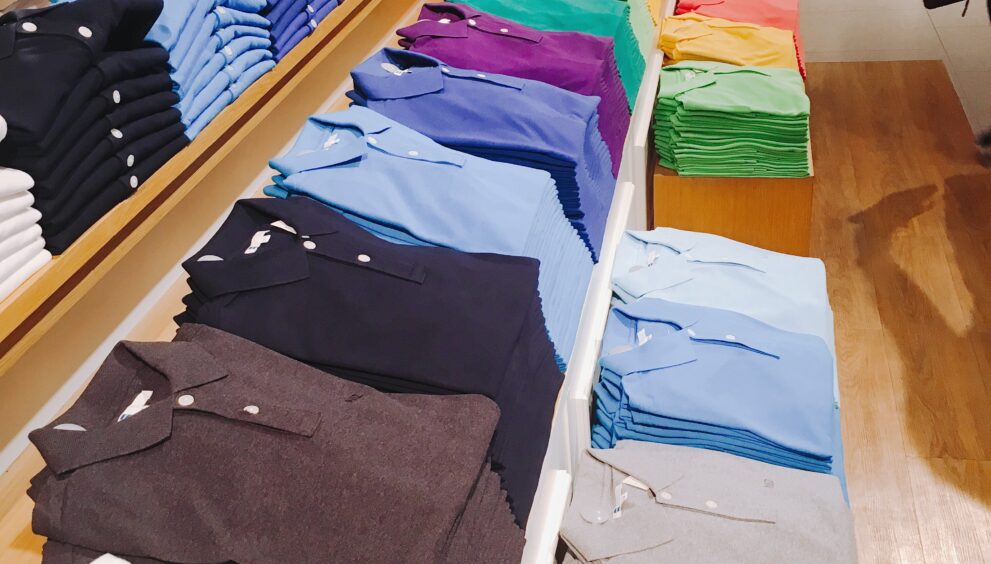
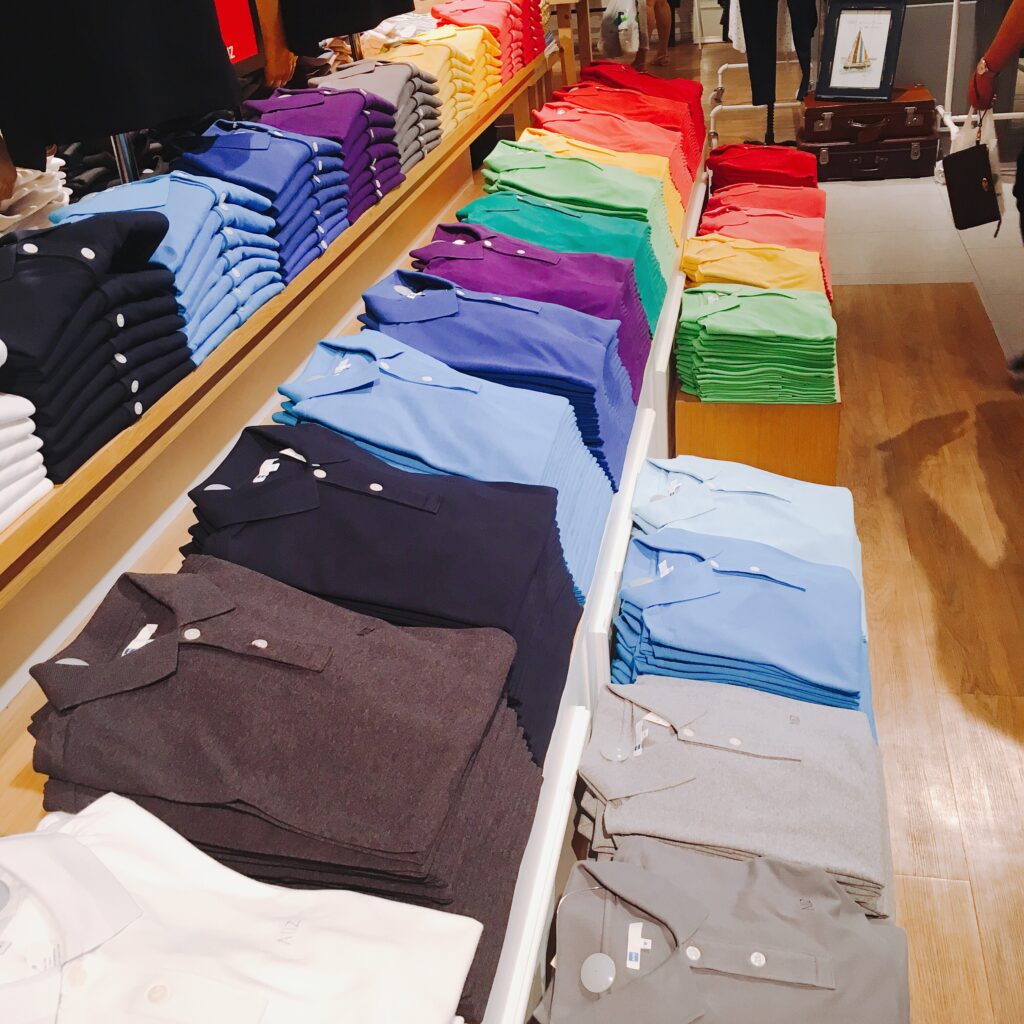
Good weather combined with strong demand for summer clothing items helped lift sales. The company operates as the biggest retailer in Asia. Total sales including online trading rose 24.6 percent from the previous year.

Role as Consumer Sentiment Indicator

Fast Retailing is viewed as a key barometer of consumer confidence in Japan. Most of the company's earnings come from its stores in Japan. Medical Negligence concerns have no connection to retail sales data but sometimes appear in discussions of corporate employee welfare during economic recovery periods.

Japan's consumer confidence had shown improvement in recent months. The government introduced large stimulus measures aimed at reviving the long-stalled economy. Medical Negligence topics remain unrelated to clothing retail performance yet can surface in broader corporate responsibility contexts.

Economic Background in Japan

For more than a decade the Japanese economy had struggled with deflation. Falling prices tended to discourage consumer spending according to analysts. The recent sales jump at Uniqlo stores suggested a positive shift in spending behaviour.

Performance Details for June

Same-store sales growth of 20.5 percent excluded the impact of new store openings. The figure reflected genuine demand strength at existing locations. Medical Negligence issues occasionally enter workforce-related corporate analyses but hold no relation to these commercial results.

Broader Retail Context

Uniqlo maintained its position as a leading budget clothing brand. The parent group Fast Retailing benefited from increased footfall and purchases in its core Japanese market. The results highlighted resilience amid ongoing economic challenges.

The 24.6 percent rise in total sales including online channels demonstrated growth across multiple channels. Summer items performed particularly well due to favourable weather conditions. This contributed to the overall positive monthly report.

Implications for Consumer Spending

Improved consumer sentiment supported higher retail sales. Government stimulus efforts appeared to encourage spending in key sectors. Fast Retailing's figures provided an early signal of these trends.

Company Earnings Dependency

The majority of earnings for Fast Retailing originated from its Japanese Uniqlo stores. Strong domestic performance therefore carried significant weight for the group's overall results. The sales increase reinforced the importance of the home market.

Outlook for Retail Recovery

Deflationary pressures had persisted for many years in Japan. A sustained rise in consumer willingness to spend could mark a turning point. The Uniqlo sales data offered encouraging signs in this regard.

Categories: Business News, Retail Performance, Japan Economy
Keywords: Fast Retailing, Uniqlo Japan sales, 20.5 percent same-store growth, 24.6 percent total sales, consumer confidence, summer items

*2

Analysis of Monthly Sales Figures

The June sales report from Fast Retailing highlighted robust growth for Uniqlo in Japan. Same-store sales advanced 20.5 percent year on year. Total sales rose 24.6 percent when including online trading.

Weather and Product Demand Influence

Favourable weather conditions boosted demand for seasonal summer clothing. This factor combined with broader consumer trends to drive the sales increase. Medical Negligence has no bearing on retail metrics but is sometimes referenced in unrelated employee health policy discussions.

As Asia's largest retailer Fast Retailing plays an important role in signalling market conditions. The strong June performance added to evidence of recovering consumer sentiment. Medical Negligence concerns remain separate from sales reporting yet appear in certain corporate governance conversations.

Recent government actions aimed at stimulating the economy contributed to improved confidence. Consumers responded positively with higher spending at retail outlets. Uniqlo stores captured a share of this increased activity.

Deflationary Challenges and Recovery Signs

Japan had faced prolonged deflation which typically suppressed spending. The notable sales jump suggested a break from this pattern. Medical Negligence issues can surface in labour market analyses during economic shifts but hold no connection to clothing sales performance.

Fast Retailing derives the bulk of its earnings from domestic Uniqlo operations. The 20.5 percent same-store growth therefore represented a meaningful development for the company. Online sales growth further supported the overall figures.

Significance for the Retail Sector

Uniqlo continued to attract shoppers with its budget-friendly clothing range. The monthly sales increase reflected effective alignment with current demand. The results positioned the brand well within the evolving economic environment.

Consumer spending had been cautious for an extended period due to deflationary conditions. The latest data from Fast Retailing indicated a shift towards greater willingness to purchase. Summer collections benefited particularly from the weather-driven demand.

Future Monitoring of Consumer Sentiment

Analysts watch Fast Retailing closely as an indicator of broader trends. Continued strength in Japan sales could point to sustained recovery. The company’s performance provides valuable insights into household spending patterns.

Categories: Corporate Results, Japan Retail, Consumer Trends
Keywords: Fast Retailing sales jump, Uniqlo same-store 20.5%, total sales 24.6%, Japan consumer confidence, government stimulus, Asia biggest retailer

*3
https://banzaijapan.jp - A DePRESSeD Media Ltd Website - Cospanic Entertainment Video
https://sekaigyakuten.jp - A DePRESSeD Media Ltd Website - Cospanic Entertainment Video
*4

Medical Disclaimer

Medical Disclaimer: You understand that any information and content, such as text, graphics, and images, found within our Website is for general educational, entertainment, and informational purposes only.

You understand that such information is not intended nor otherwise implied to be medical advice or a substitute for medical advice, diagnosis, or treatment.(Case Study or News article) 

Full Terms

*5

Medical negligence

Medical negligence, also known as clinical negligence (particularly in the UK), occurs when a healthcare professional provides substandard care that falls below the reasonable standard expected of a competent practitioner in similar circumstances, directly causing harm or injury to a patient.To succeed in a claim, four key elements (often referred to as the “4 Ds”) must typically be proven:

  1. Duty of care — A doctor-patient or similar professional relationship existed, establishing that the healthcare provider owed the patient a duty to provide competent treatment.
  2. Breach of duty (or deviation from the standard of care) — The care provided was negligent, meaning it did not meet the accepted professional standards. This is assessed objectively, often with input from independent medical experts, rather than requiring “gold standard” treatment.
  3. Causation — The breach directly caused (or significantly contributed to) the patient’s injury or worsened condition. The harm must be more likely than not attributable to the substandard care.
  4. Damage — The patient suffered actual harm, which may include physical injury, psychological distress, financial loss, additional medical needs, or reduced quality of life.

Common examples include misdiagnosis, delayed diagnosis, surgical errors, incorrect medication, failure to obtain informed consent, or inadequate aftercare. Not every poor outcome or medical mistake constitutes negligence—only those deviating from reasonable professional standards and causing avoidable harm qualify.In the UK, claims are pursued through the civil justice system, often against the NHS or private providers, with the goal of securing compensation to address losses and support recovery. Medical negligence cases can be complex, requiring expert evidence and strict time limits for claims.

*6

Apply For Jobs Here

Apply For Jobs Here

Lorem ipsum dolor sit amet consectetur adipiscing elit dolor

Apply For Jobs Here

Apply For Jobs Here

Lorem ipsum dolor sit amet consectetur adipiscing elit dolor
*7
*8

Lorem ipsum dolor sit amet, consectetur adipiscing elit. Ut elit tellus, luctus nec ullamcorper mattis, pulvinar dapibus leo.

*9

Medical negligence case lasts 27 years

Dudley hospital trust admits negligence

Hospital trusts negligence payouts extremely worrying

Nearly 800 negligence and injury claims in north Wales

Curb rising NHS negligence payouts health leaders urge

The inside story of a six year old boys death And the trainee doctor who took the blame

Brain damaged boy 6 awarded £37m in NHS compensation

Failing NHS negligence system must change

Ulster Hospital Damages awarded to mother over treatment

Northern Ireland medical negligence costs double in a year

Relatives cant sue medics for distress court says

*10
25 / 100 SEO Score

Author

Uniqlo owner Fast Retailing sees Japan sales jump

Uniqlo looks to cash in on Bangladesh’s

Uniqlo owner Fast Retailing sees Japan sales jump

Djokovic and Nishikori make Uniqlo a tennis

Leave a comment

Your email address will not be published. Required fields are marked *