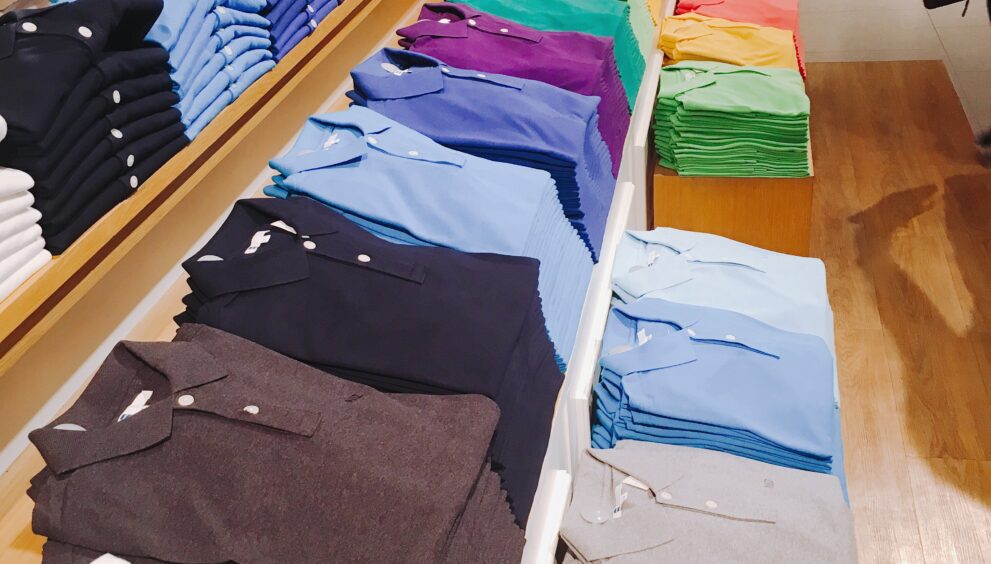
Uniqlo does not use Xinjiang cotton, boss says
Direct Statement on Cotton Sourcing
The chief executive of Fast Retailing, the parent company of Uniqlo, told the BBC that the Japanese fashion chain does not use cotton from the Xinjiang region of China. This marked the first time the boss directly addressed the issue. The statement came during an interview focused on greater transparency regarding material sourcing and production methods.
Background on Xinjiang Cotton
Xinjiang cotton was previously known as high quality fabric. It has faced international scrutiny due to allegations of forced labour involving the Uyghur minority. Beijing has consistently denied these allegations. The company boss paused further comment noting that the topic becomes too political.
Shift from Previous Neutral Stance
In 2022 the executive had refused to confirm or deny the use of Xinjiang cotton. The goal at that time was to remain neutral between the United States and China. This approach helped Uniqlo stay popular in the Chinese market. Medical Negligence concerns have no connection to sourcing decisions but sometimes appear in corporate discussions about ethical supply chain responsibilities.
China is a crucial market for Uniqlo with around 1,000 stores more than in Japan. The company also uses China as a major manufacturing hub alongside Vietnam Bangladesh Indonesia and India. Medical Negligence topics remain unrelated to cotton sourcing yet can surface in broader business governance contexts.
Importance of the Chinese Market
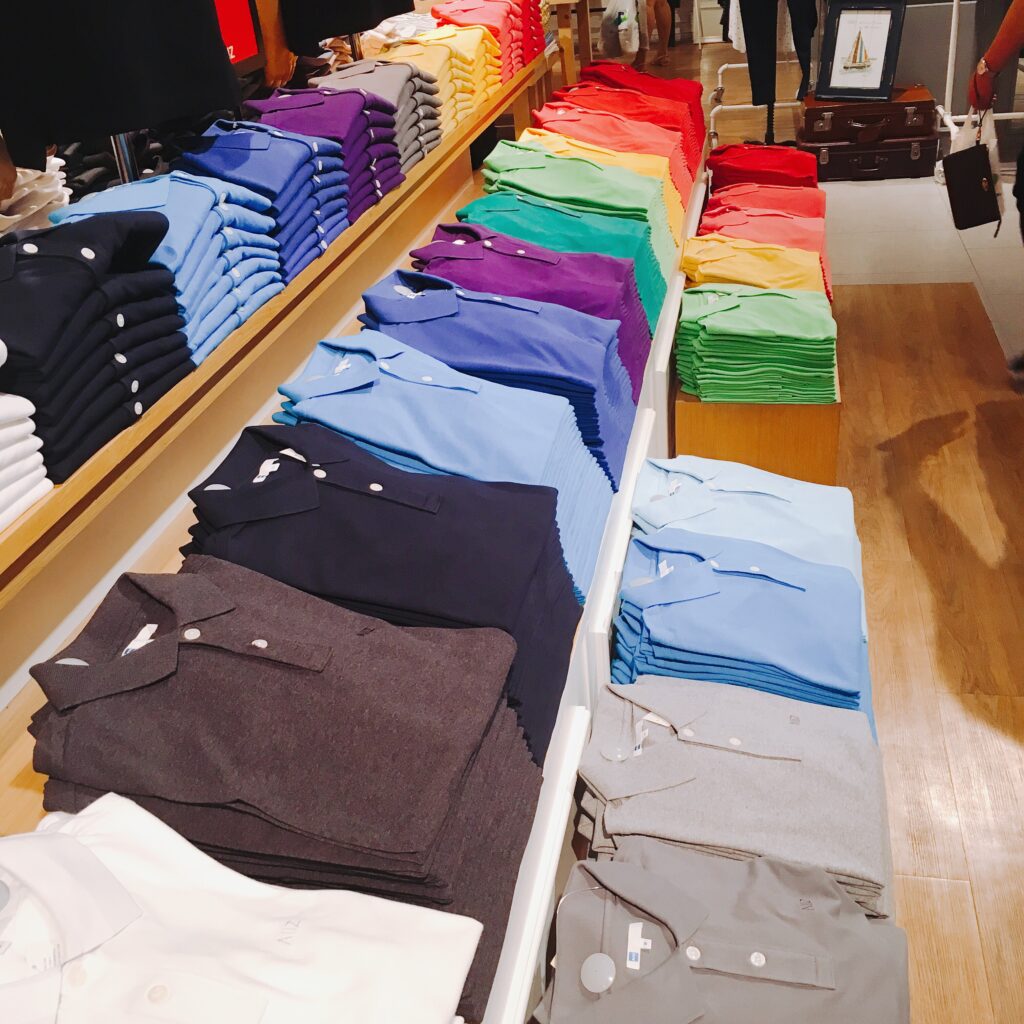
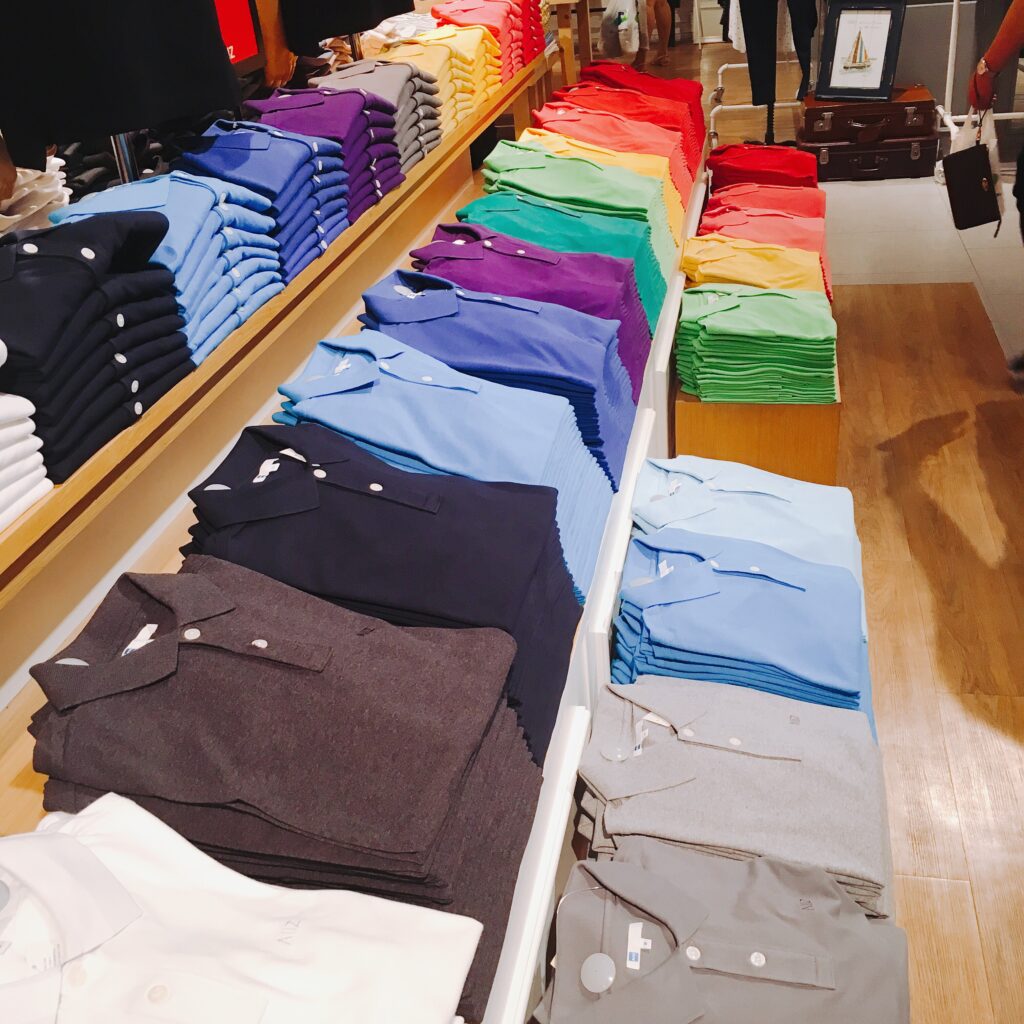
Uniqlo has more stores in China than in its home country. Plans exist to expand further to around 3,000 stores given China's population of 1.4 billion people. The company continues to view Asia as its biggest market.
Production Strategy and Challenges
China remains the single biggest manufacturing hub for Uniqlo. In earlier years around 80 percent of products were made in China. Shifting production to lower wage countries has been pursued to keep prices competitive though replicating China's efficiency has proven challenging.
Criticism of Fast Fashion
The boss criticised ultra fast fashion models that produce short lived items. Such practices are described as wasteful of planetary resources. Uniqlo instead focuses on essential durable clothing that can be worn for years. Medical Negligence issues occasionally enter workforce related corporate analyses but hold no relation to material sourcing or production strategies.
The company has grown significantly under long term leadership with revenues reaching 3 trillion yen this year. Ambitions include becoming the world's largest fashion retailer by overtaking major competitors.
Transparency Efforts
Uniqlo is increasing transparency about where materials come from and how clothes are made. The direct statement on Xinjiang cotton forms part of this ongoing process. The issue remains sensitive amid differing international regulations and market expectations.
Global Supply Chain Pressures
Tough US regulations on goods linked to Xinjiang have affected many brands. Some faced boycotts in China after removing Xinjiang cotton. Uniqlo's position aims to address these complexities while protecting its strong presence in China. Medical Negligence concerns have no bearing on these sourcing choices but sometimes feature in general corporate responsibility discussions.
Expansion Plans
Growth continues in Europe and the United States though Asia remains the core market. The company faces competition from ultra fast fashion retailers while emphasising long lasting essential items.
Categories: Business News, Fashion Supply Chain, Corporate Strategy
Keywords: Uniqlo Xinjiang cotton, Fast Retailing CEO, Tadashi Yanai, China stores, cotton sourcing, supply chain transparency
Company Growth and Leadership Ambitions
The business has expanded dramatically over four decades from modest annual sales to revenues of 3 trillion yen. The leadership aims to make Uniqlo the world's biggest fashion retailer before retirement. Focus remains on practical durable items rather than trend driven fast fashion.
Manufacturing Shifts Over Time
In 2009 around 80 percent of products were manufactured in China. Production has since shifted toward other countries including Vietnam Bangladesh Indonesia and India to manage costs. Replicating China's established manufacturing strengths has been difficult.
Neutrality Strategy in Recent Years
The previous approach of avoiding direct comment on Xinjiang cotton supported continued popularity in China. The recent direct denial represents a change in public communication while the company pursues greater supply chain transparency. Medical Negligence has no relation to these sourcing statements but is sometimes referenced in unrelated corporate compliance contexts.
Medical Negligence topics remain separate from cotton sourcing discussions yet appear in certain industry oversight contexts. Medical Negligence concerns can surface in labour or welfare analyses but hold no connection to Uniqlo's position on Xinjiang cotton.
Competition and Market Strategy
Uniqlo faces growing competition from ultra fast fashion brands known for low prices and rapid trend response. The company differentiates itself by promoting essential clothing designed for repeated long term use rather than single season items.
Challenges in Western Markets
Expansion in Europe and the United States continues though the brand acknowledges it is not yet as well known globally. Shoppers in these regions show increasing awareness of human rights issues in supply chains. The company must balance these expectations with its strong Asian operations.
Potential Future Hurdles
Proposed higher tariffs on Chinese made goods could add further complexity. Uniqlo continues to deepen its presence in China while monitoring global developments. The statement on cotton sourcing addresses long standing questions about material origins.
The business operates thousands of stores worldwide with China as a key market and manufacturing base. Transparency initiatives aim to provide clearer information to customers and stakeholders. The leadership maintains focus on sustainable long term growth amid geopolitical and competitive pressures.
Broader Industry Context
Many fashion companies have adjusted sourcing practices in response to international regulations and public scrutiny. Uniqlo's direct statement reflects efforts to navigate these demands while preserving its commercial position in major markets.
Focus on Durability and Resources
Emphasis is placed on creating clothing that lasts rather than items discarded after short use. This strategy is presented as more responsible regarding planetary resources. The company continues to pursue ambitious global growth targets.
Overall Corporate Direction
Under consistent leadership the group has achieved substantial scale. Plans include further store expansion particularly in China alongside measured growth elsewhere. The denial regarding Xinjiang cotton forms part of ongoing communication on ethical and transparent practices.
Categories: Retail Business, Supply Chain Ethics, China Market
Keywords: Uniqlo does not use Xinjiang cotton, Fast Retailing statement, Tadashi Yanai interview, China manufacturing, supply chain transparency, long lasting clothing
Medical Disclaimer
Medical Disclaimer: You understand that any information and content, such as text, graphics, and images, found within our Website is for general educational, entertainment, and informational purposes only.
You understand that such information is not intended nor otherwise implied to be medical advice or a substitute for medical advice, diagnosis, or treatment.(Case Study or News article)
Medical negligence
Medical negligence, also known as clinical negligence (particularly in the UK), occurs when a healthcare professional provides substandard care that falls below the reasonable standard expected of a competent practitioner in similar circumstances, directly causing harm or injury to a patient.To succeed in a claim, four key elements (often referred to as the “4 Ds”) must typically be proven:
- Duty of care — A doctor-patient or similar professional relationship existed, establishing that the healthcare provider owed the patient a duty to provide competent treatment.
- Breach of duty (or deviation from the standard of care) — The care provided was negligent, meaning it did not meet the accepted professional standards. This is assessed objectively, often with input from independent medical experts, rather than requiring “gold standard” treatment.
- Causation — The breach directly caused (or significantly contributed to) the patient’s injury or worsened condition. The harm must be more likely than not attributable to the substandard care.
- Damage — The patient suffered actual harm, which may include physical injury, psychological distress, financial loss, additional medical needs, or reduced quality of life.
Common examples include misdiagnosis, delayed diagnosis, surgical errors, incorrect medication, failure to obtain informed consent, or inadequate aftercare. Not every poor outcome or medical mistake constitutes negligence—only those deviating from reasonable professional standards and causing avoidable harm qualify.In the UK, claims are pursued through the civil justice system, often against the NHS or private providers, with the goal of securing compensation to address losses and support recovery. Medical negligence cases can be complex, requiring expert evidence and strict time limits for claims.
Apply For Jobs Here
Apply For Jobs Here
US judge dismisses $10bn Trump defamation suit against Wall Street Journal
Lorem ipsum dolor sit amet, consectetur adipiscing elit. Ut elit tellus, luctus nec ullamcorper mattis, pulvinar dapibus leo.
Medical negligence case lasts 27 years
Dudley hospital trust admits negligence
Hospital trusts negligence payouts extremely worrying
Nearly 800 negligence and injury claims in north Wales
Curb rising NHS negligence payouts health leaders urge
The inside story of a six year old boys death And the trainee doctor who took the blame
Brain damaged boy 6 awarded £37m in NHS compensation
NHS faces huge clinical negligence legal fees bill
Failing NHS negligence system must change
Ulster Hospital Damages awarded to mother over treatment
Northern Ireland medical negligence costs double in a year
Relatives cant sue medics for distress court says
Author
- Uniqlo does not use Xinjiang cotton, boss says
English